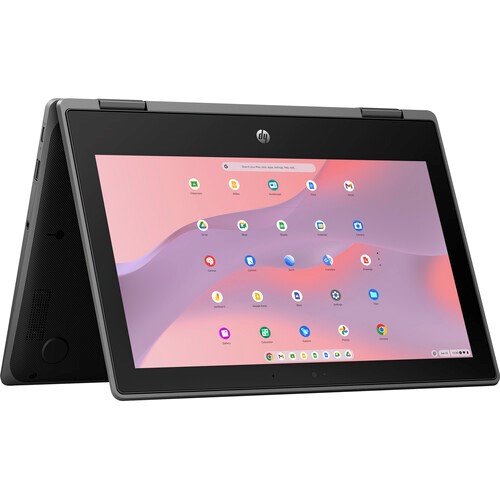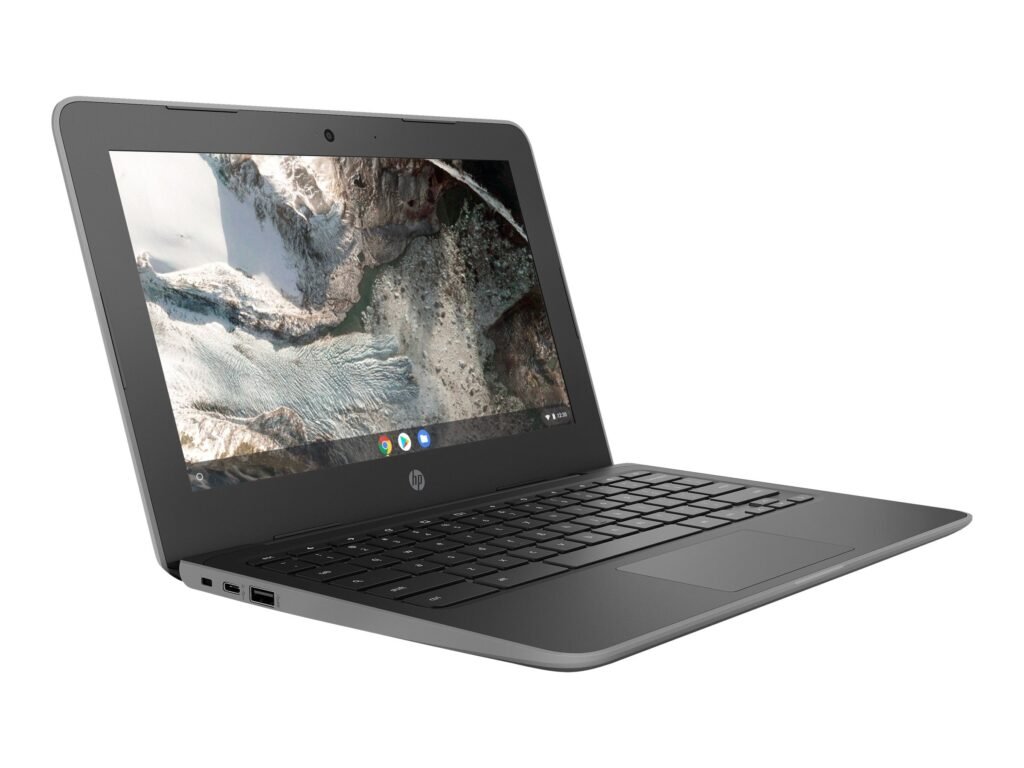
Acer C720P Chromebook Review: Worth It Today?

Acer C720P Chromebook Review: Worth It Today?

Acer C720P Chromebook review exploring its performance, touchscreen, battery life, and if it’s still worth buying in 2025.

Introduction

Let’s be real—most of us don’t think of 2013 laptops as relevant in 2025. But the Acer C720P Chromebook has stubbornly stuck around in online communities, tech resale groups, and minimalist desk setups. So the question begs: Is it still worth picking up today?

If you’re considering snagging this budget-friendly touchscreen Chromebook, keep reading. We’ll break down whether this old-school gadget still has the juice to keep up with today’s light computing needs.


First Impressions

Design and Build Quality

Simple. Functional. Lightweight.

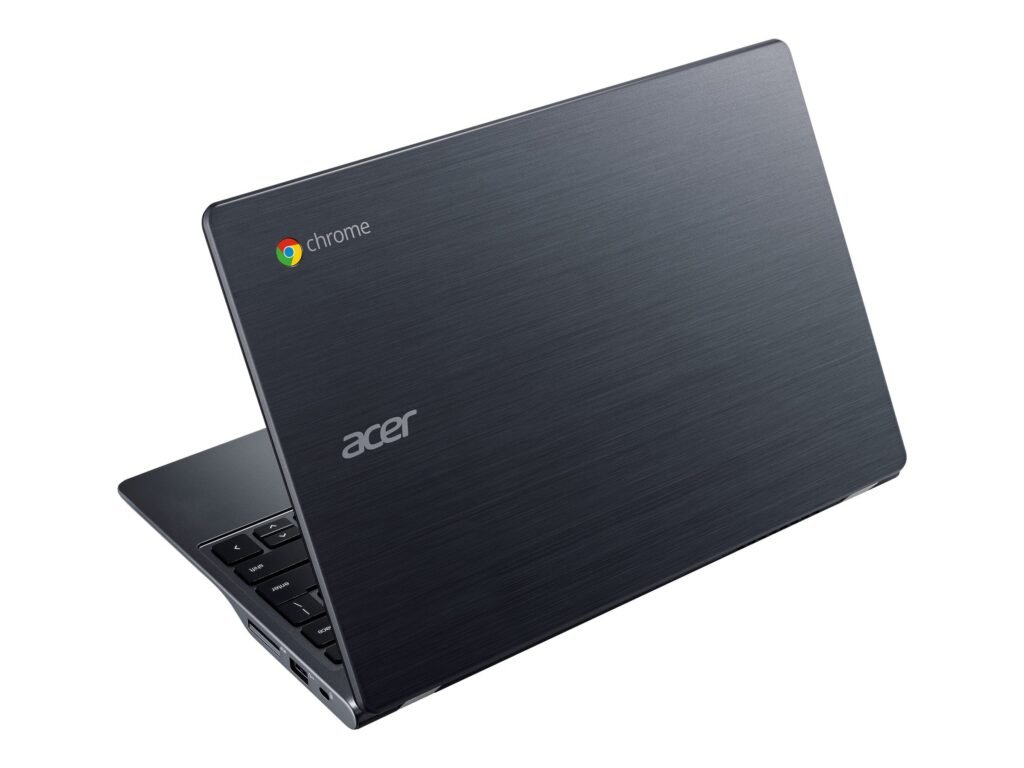
The Acer C720P doesn’t scream luxury, but it definitely delivers a minimalistic charm. Its matte plastic finish keeps fingerprints at bay, and it feels surprisingly sturdy for something under 3 pounds. It’s small enough to toss in your backpack, and rugged enough to survive a few accidental bumps.

Display Features

Let’s talk visuals. The 11.6-inch screen isn’t Retina-level sharp, but it’s respectable. The 1366×768 resolution feels a bit dated, but the touchscreen is a pleasant bonus. Brightness is good enough for indoor use, though outdoor visibility? Not its strongest suit.

Keyboard and Trackpad

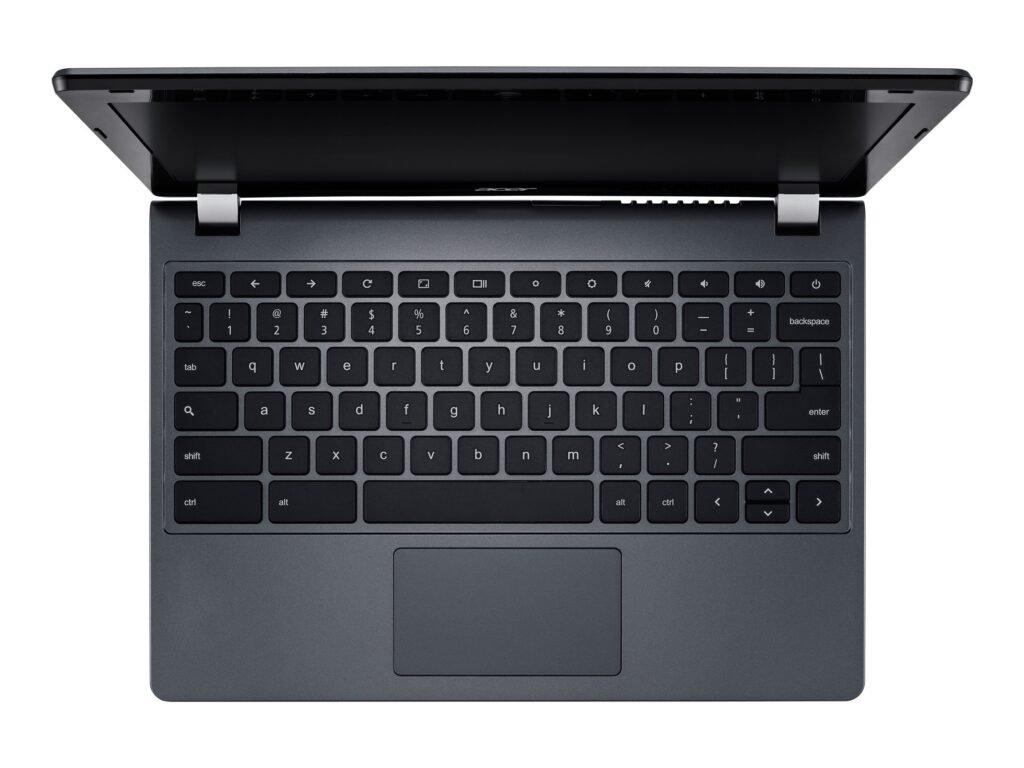
Typing feels comfortable despite the compact size. The keyboard layout is clean, responsive, and perfect for hammering out emails or notes. The trackpad works fine—nothing fancy—but supports gestures well. Bonus: the touchscreen saves you from too much trackpad scrolling.

Acer C720P Chromebook Review: Worth It Today?

Performance Overview

Under the Hood Specs

Don’t expect fireworks here—it’s running an Intel Celeron 2955U, paired with either 2GB or 4GB of RAM. Storage is limited to a 16GB SSD. On paper, this sounds weak. But Chrome OS is lightweight, and this little guy can still handle web browsing, Google Docs, YouTube, and even some light multitasking.

Real-World Usage

For students or casual users, it’s surprisingly snappy with basic tasks. If you try to open 20 tabs, you’ll hit a wall. But for writing, Googling, and watching videos? Totally doable.

Boot-Up and Speed

Here’s a surprise: the boot time is just around 7 seconds. That SSD and Chrome OS pairing still deliver a fast and smooth startup experience.


Touchscreen Experience

Is Touch Still Relevant?

It felt revolutionary back in the day—and even now, a touchscreen on a Chromebook feels handy. Tap to scroll, pinch to zoom, or draw diagrams in notes. It’s especially great for kids or those who prefer a more tablet-like interaction.

Still, this isn’t a high-precision screen. Don’t expect buttery-smooth responsiveness like an iPad.

Acer C720P Chromebook Review: Worth It Today?

Battery Life

Longevity of Power

Acer claimed around 7.5 hours of battery, and even today, it still manages 5–6 hours depending on use. That’s honestly impressive for a device over a decade old.

Charging Speed

Not the fastest charger, but a full recharge takes around 2 hours—standard fare for a small device.


Chrome OS and Updates

Still Getting Updates?

Unfortunately, Chrome OS updates have officially ended for the C720P. Google’s Auto Update Expiration (AUE) policy means no more official patches. This is a red flag for security-conscious users.

Apps and Extensions

Most web-based Chrome apps still run fine. However, Android app support is limited, and newer extensions may not work as intended. You’ll need to keep expectations low in this area.

Acer C720P Chromebook Review: Worth It Today?

Port and Connectivity Options

What You Get

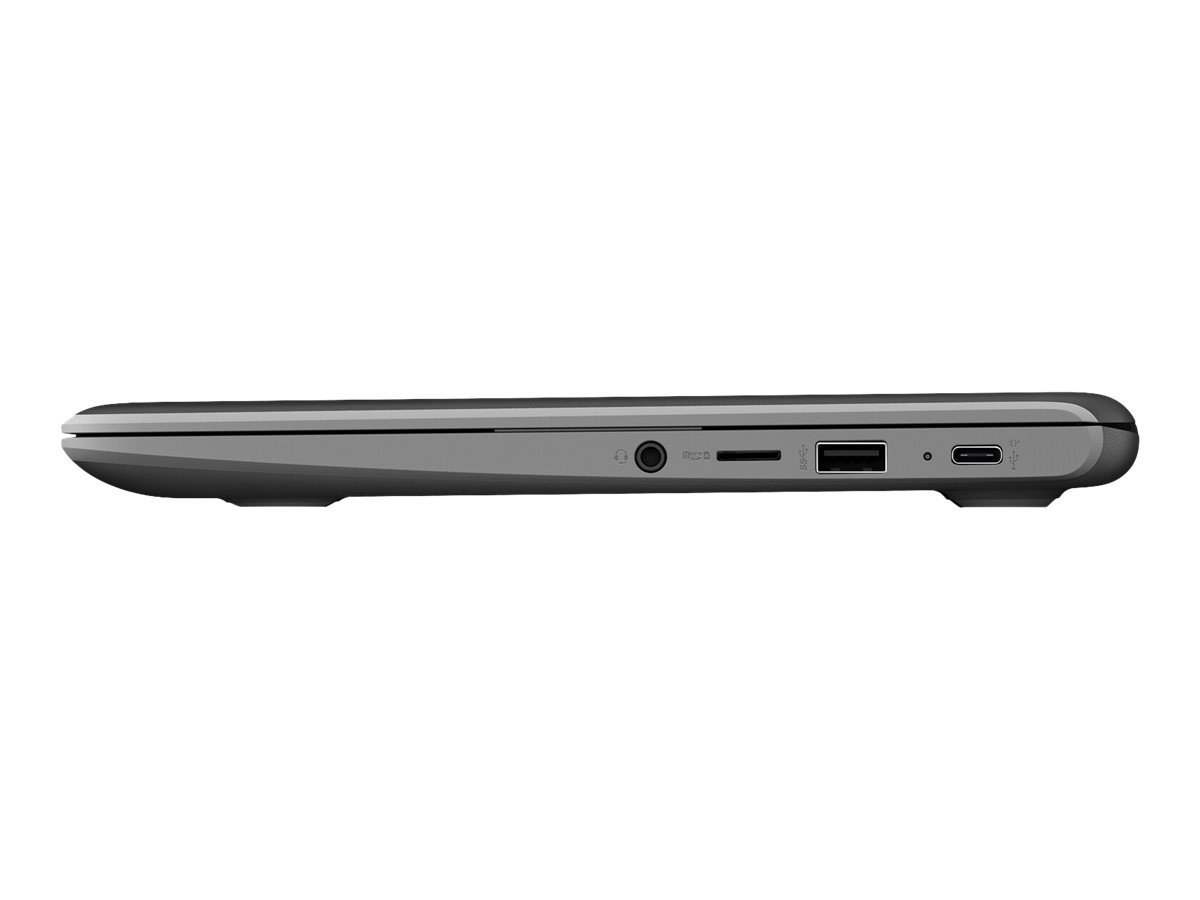
The Acer C720P offers:

  • 2 USB ports (3.0 + 2.0)
  • Full HDMI port
  • SD card reader
  • Headphone jack

It has Wi-Fi (802.11 a/b/g/n) and Bluetooth 4.0. Nothing groundbreaking, but solid essentials.


Storage and Cloud Reliance

16GB SSD – Enough Today?

That tiny 16GB SSD won’t hold much, but that’s okay—Chrome OS lives in the cloud. Google Drive, Docs, and Photos are your go-tos. If you really need local storage, an external USB drive or SD card can save the day.


Audio and Webcam Quality

Built for Online Classes?

The webcam is… okay. 720p at best, grainy in low light. It works fine for Google Meet or Zoom, but don’t expect cinematic quality.

Speakers? Adequate. Not loud, not bassy, but clear enough for video calls and YouTube.

Acer C720P Chromebook Review: Worth It Today?

Gaming and Media Consumption

Can It Handle Light Gaming?

Don’t get your hopes up for Fortnite. But web-based games like Google’s Dinosaur Game or casual stuff like Sudoku run smoothly.

Streaming? It handles Netflix and YouTube in 720p effortlessly. Just don’t expect buttery-smooth HD playback on newer platforms.


Durability and Portability

Perfect for Travel?

Absolutely. It’s lightweight, compact, and gets the job done on the go. Throw it in a bag, head to a coffee shop or the library—it’s easy to carry and reliable enough for basic work.


Target Audience

Who’s It Best For in 2025?

  • Students (especially younger ones)
  • Writers or bloggers using Google Docs
  • Digital minimalists
  • Budget-conscious buyers
  • Second-laptop seekers

Price Point and Value for Money

Still Worth Buying in 2025?

You can find used Acer C720Ps for under $70. At that price, it’s a steal if you know its limits. For everyday web tasks and light writing, it still holds up surprisingly well.

However, newer budget Chromebooks offer more RAM, better screens, and longer support—so weigh your options.


Pros and Cons Summary

Pros:

  • Affordable even in 2025
  • Lightweight and portable
  • Decent performance for basic use
  • Touchscreen!
  • Fast boot-up

Cons:

  • No OS updates anymore
  • Low RAM and storage
  • Outdated screen resolution
  • Webcam and audio are mediocre

Conclusion

So, is the Acer C720P Chromebook still worth it today?

If you’re after a budget-friendly device for light tasks and don’t mind the lack of updates, the C720P is a pleasant surprise. It won’t win any performance awards, but for $50–$70, it could be your trusty backup device, kids’ school laptop, or minimalist writing machine.

Just keep your expectations grounded. Think of it like a reliable old bicycle—it won’t win races, but it’ll get you where you need to go.


FAQs

1. Can I still update the Acer C720P?
Nope. Official Chrome OS updates stopped around 2019. You can try installing Linux if you’re tech-savvy.

2. Is the touchscreen better than newer models?
Not quite. It’s functional but not as responsive or vibrant as modern touchscreen Chromebooks.

3. Can I install Linux on the Acer C720P?
Yes! Many users dual-boot or fully switch to lightweight Linux distros like GalliumOS for more flexibility.

4. Is this Chromebook good for kids?
Absolutely. It’s cheap, durable, and simple—perfect for supervised homework or light entertainment.

5. What’s the biggest limitation of the Acer C720P in 2025?
The lack of software updates and limited RAM/storage are the main bottlenecks.
AI Laptops Vs Traditional: What's the Difference?

AI Laptops Vs Traditional: What’s the Difference?

Discover the key differences between AI laptops and traditional ones, from performance and security to battery life and pricing. Find the best fit for you!

Introduction

Laptops have come a long way, but now there’s a new player in town—AI-powered laptops. While traditional laptops have served us well for decades, AI integration is taking computing to a whole new level. But what exactly makes AI laptops different from traditional ones? Are they worth the investment, or is it just another tech gimmick? Let’s dive into the details and see which one is right for you!

Understanding AI Laptops

What Are AI Laptops?

AI laptops are computers equipped with artificial intelligence features designed to enhance performance, efficiency, and security. These laptops utilize machine learning algorithms to optimize workflows, manage power consumption, and even predict user preferences.

Key Features of AI Laptops

AI-Powered Performance Optimization

AI laptops can dynamically adjust CPU and GPU performance based on workload. This means better speed and responsiveness without unnecessary power drain.

Smart Battery Management

Thanks to AI, these laptops can optimize battery life by learning usage patterns and adjusting power settings accordingly. Some models even hibernate applications running in the background to save energy.

Advanced Security with AI-Based Threat Detection

AI-driven security tools detect malware and phishing attempts in real time, offering more advanced protection compared to traditional antivirus software.

Personalized User Experience

AI-powered laptops can remember your preferences, such as display brightness, keyboard settings, and app usage, to create a tailored computing experience.

Breaking Down Traditional Laptops

What Defines a Traditional Laptop?

Traditional laptops rely on fixed hardware and software configurations without AI enhancements. They require manual adjustments for performance and power management.

Key Features of Traditional Laptops

Reliable but Manual Performance Control

Unlike AI laptops that automatically adjust performance, traditional laptops require manual tweaks to optimize speed and efficiency.

Standard Battery Efficiency

Battery life is dependent on hardware efficiency, without AI-driven optimization. Users must manually adjust power settings to extend battery life.

Basic Security Measures

Traditional laptops rely on antivirus software and firewalls for security rather than real-time AI threat detection.

Performance Battle: AI vs. Traditional Laptops

Speed and Processing Power

AI laptops leverage machine learning to enhance speed, predicting and allocating resources efficiently. Traditional laptops, on the other hand, rely on raw processing power without predictive assistance.

Battery Life and Efficiency

AI laptops extend battery life by adjusting power settings based on usage patterns. Traditional laptops lack this intelligence, resulting in faster battery depletion.

User Experience and Personalization

AI-driven customization offers a seamless experience, while traditional laptops require manual configuration for personalization.

Security and Privacy: Which One Wins?

AI laptops provide real-time security monitoring, detecting and blocking threats before they cause harm. Traditional laptops depend on user-installed antivirus software, which may not be as proactive. However, AI laptops raise privacy concerns due to constant data collection.

Software Compatibility and AI Assistance

AI laptops support advanced AI-enhanced applications, boosting productivity for tasks like video editing and coding. Traditional laptops can run the same applications but may lack AI-accelerated performance enhancements.

Price Comparison: Are AI Laptops Worth the Investment?

AI laptops are generally more expensive due to their advanced features. However, the long-term benefits of improved efficiency and security might justify the cost. Traditional laptops remain more affordable, making them a better choice for budget-conscious users.

Gaming and Graphics: Which Performs Better?

AI-driven graphics can enhance image quality, optimize frame rates, and reduce lag in gaming. Traditional gaming laptops rely solely on hardware capabilities without AI enhancements.

Who Should Buy an AI Laptop?

  • Tech enthusiasts who want cutting-edge innovation
  • Professionals needing AI-assisted productivity
  • Content creators requiring high-performance computing

Who Should Stick to a Traditional Laptop?

  • Casual users who don’t need AI features
  • Students looking for affordable devices
  • Users who prioritize privacy over AI-driven automation

Future of AI in Computing

AI laptops are just the beginning. With ongoing advancements, we can expect even smarter devices capable of predicting needs, automating tasks, and revolutionizing the way we work. However, challenges like privacy concerns and high costs still need to be addressed.

Final Verdict: Which One is Right for You?

If you need an intelligent, high-performance laptop with better security and battery management, an AI laptop is a great choice. However, if you prefer affordability and simplicity, a traditional laptop might be the better option. The decision ultimately depends on your needs and budget.

Conclusion

AI-powered laptops are changing the game, offering a futuristic experience with improved performance, battery life, and security. However, traditional laptops remain a solid choice for those who don’t need AI-powered enhancements. Whether you choose AI or traditional, the right laptop is the one that meets your needs.

FAQs

1. Can AI laptops be used for gaming?

Yes, AI-powered laptops optimize frame rates and enhance graphics, making them great for gaming.

2. Do AI laptops require an internet connection to function?

No, AI features are built into the hardware and software, meaning they work offline as well.

3. Are AI laptops more expensive than traditional ones?

Yes, AI laptops generally cost more due to their advanced technology and additional features.

4. How does AI improve battery life in laptops?

AI manages power consumption by adjusting performance based on usage patterns, extending battery life.

5. Will AI completely replace traditional laptops in the future?

Possibly, but traditional laptops will likely remain for users who prefer simpler, budget-friendly options.

Read More: Best Laptops to Buy Now: Top Picks

Best Laptops to Buy Now: Top Picks

Best Laptops to Buy Now: Top Picks

Discover the best laptops to buy now with top picks for gaming, business, students, and creatives. Find the perfect laptop for your needs today!

Introduction

Choosing the right laptop can be overwhelming with so many options available. Whether you’re a gamer, student, business professional, or creative, finding a laptop that suits your needs is crucial. From performance to portability, many factors play a role in determining the best laptop for you. In this guide, we will explore the top laptops currently on the market, breaking them down based on various needs and budgets.

Factors to Consider When Buying a Laptop

When shopping for a laptop, several key aspects should be taken into account. These include performance, battery life, display quality, and overall build. Understanding these elements will help you make an informed decision.

Performance and Processor

The processor is the heart of any laptop, determining how fast and efficiently it runs. Intel and AMD are the two major brands dominating the market. Intel processors, such as the Core i5 and i7, offer excellent performance for most users, while AMD Ryzen chips provide a competitive edge, particularly in multitasking and gaming. If you’re looking for a high-performance machine, an Intel Core i9 or AMD Ryzen 9 is recommended. For everyday tasks, an Intel Core i3 or Ryzen 3 will suffice.

RAM and Storage

RAM determines how many applications your laptop can handle simultaneously. For basic tasks like web browsing and document editing, 8GB of RAM is enough. However, for gaming, video editing, or heavy multitasking, 16GB or more is ideal. Storage is another crucial factor—solid-state drives (SSDs) are faster and more reliable than traditional hard disk drives (HDDs). A 256GB SSD is a good starting point, but 512GB or 1TB is recommended for those handling large files.

Display and Graphics

The quality of a laptop’s display significantly impacts user experience. Most modern laptops come with Full HD (1920×1080) resolution, but for those working in graphic design or video editing, a 4K display is a better choice. Gamers should also pay attention to refresh rates, with 120Hz or higher providing smoother gameplay. Graphics cards are essential for gaming and creative work. While integrated graphics work for everyday tasks, a dedicated GPU such as NVIDIA RTX 3060 or AMD Radeon RX 6800M enhances performance in gaming and 3D rendering.

Battery Life

A laptop’s battery life is a crucial consideration, especially for those who travel frequently. Ultrabooks and MacBooks typically offer long battery life, sometimes exceeding 10 hours. Gaming laptops, on the other hand, tend to have shorter battery lives due to their high-performance components. If portability is a priority, look for a laptop with at least 8-10 hours of battery life.

Portability and Build Quality

Portability matters for users who need a laptop on the go. Ultrabooks, such as the Dell XPS 13 or MacBook Air, are lightweight and easy to carry. However, if you need a sturdy build, business laptops like the Lenovo ThinkPad series offer durability with MIL-STD-810G military-grade certification.

Operating System Choices

The operating system plays a vital role in your overall experience. Windows offers flexibility and is compatible with most software, making it ideal for general use. macOS is known for its seamless integration with Apple devices, excellent performance, and security. ChromeOS, found in Chromebooks, is best for basic web-based tasks and students on a budget. Your choice depends on personal preference and software requirements.

Top Laptop Picks for Different Needs

Finding the right laptop depends on your specific needs. Below are the best picks based on different categories.

Best Overall Laptop – Apple MacBook Air M2

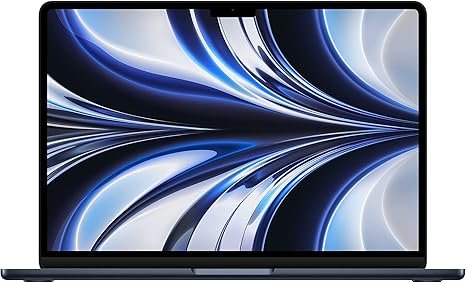
The MacBook Air M2 is an all-around winner, offering a sleek design, powerful performance, and excellent battery life. Powered by Apple’s M2 chip, it provides smooth multitasking, making it perfect for professionals, students, and casual users alike. The stunning Retina display and lightweight design make it an excellent choice for those who need a reliable laptop for daily use.

Best Laptop for Gaming – ASUS ROG Zephyrus G14

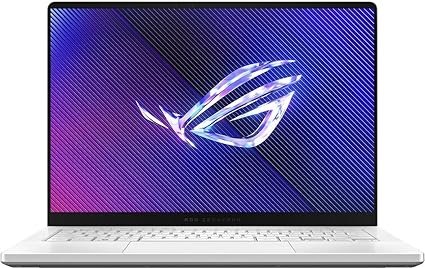
For gamers, the ASUS ROG Zephyrus G14 is one of the best options available. Featuring an AMD Ryzen 9 processor and an NVIDIA RTX 3060 GPU, it delivers outstanding gaming performance. The 14-inch 165Hz display ensures smooth visuals, while the compact design makes it more portable than most gaming laptops. Its efficient cooling system prevents overheating, making it an ideal choice for gaming on the go.

Best Laptop for Students – Lenovo IdeaPad Flex 5

Students need an affordable yet powerful laptop, and the Lenovo IdeaPad Flex 5 fits the bill. With an AMD Ryzen 5 processor, 16GB RAM, and a 512GB SSD, it handles schoolwork and multitasking with ease. The 14-inch touchscreen display and 2-in-1 design add versatility, allowing students to use it as a tablet. With over 10 hours of battery life, it can last through a full day of classes.

Best Laptop for Business Professionals – Dell XPS 15

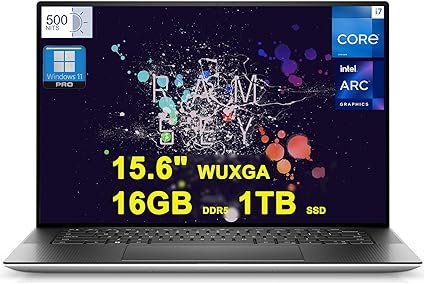
Business professionals need a premium laptop that balances performance and portability, and the Dell XPS 15 excels in this regard. Featuring an Intel Core i7 processor, 16GB RAM, and a 512GB SSD, it offers seamless multitasking. The 15.6-inch 4K OLED display is perfect for presentations, and its sleek design adds a touch of elegance. The long battery life and excellent keyboard make it a great companion for professionals.

Best Laptop for Creatives and Designers – MacBook Pro 16-inch M3 Pro

For creatives, the MacBook Pro 16-inch with the M3 Pro chip is a powerhouse. The stunning Liquid Retina XDR display offers accurate colors, making it perfect for video editing and graphic design. The powerful GPU handles demanding software like Adobe Photoshop and Final Cut Pro with ease. Combined with a long battery life and high-quality speakers, this laptop is a dream for creative professionals.

Best Budget Laptop – Acer Aspire 5

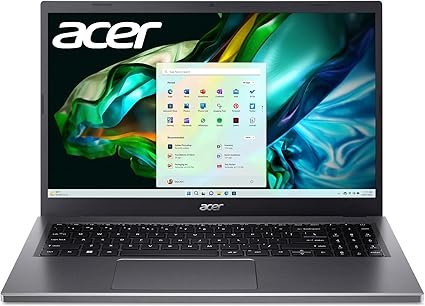
For those on a budget, the Acer Aspire 5 delivers great value. Equipped with an AMD Ryzen 5 processor, 8GB RAM, and a 512GB SSD, it provides solid performance for everyday tasks. The Full HD display, backlit keyboard, and decent battery life make it a great choice for students or office workers looking for an affordable yet capable laptop.

Tips for Choosing the Right Laptop for You

When choosing a laptop, match the specifications with your specific needs. If you’re into gaming, prioritize a high-refresh-rate display and a dedicated GPU. If you’re a business professional, look for a lightweight, durable laptop with excellent battery life. Always compare prices, check for student or business discounts, and read reviews before making a purchase. Buying during sales events like Black Friday can also help you save money.

Conclusion

Finding the best laptop depends on your needs and budget. Whether you’re looking for a gaming powerhouse, a budget-friendly option, or a sleek business laptop, there’s something out there for everyone. Consider key factors such as performance, battery life, and portability before making your decision. With the right choice, you’ll have a reliable machine that enhances productivity and entertainment.

FAQs

1. What is the best laptop for gaming under $1000?

The Acer Nitro 5 and ASUS TUF Gaming F15 are great options for gaming under $1000, offering solid performance and dedicated GPUs.

2. How much RAM do I need for everyday tasks?

For basic tasks like web browsing and document editing, 8GB is enough. For heavy multitasking, gaming, or video editing, opt for 16GB or more.

3. Are MacBooks worth the price?

Yes, MacBooks offer excellent build quality, performance, and long battery life. They are especially great for students, professionals, and creative users.

4. Can I upgrade my laptop’s RAM and storage?

It depends on the model. Some laptops, like gaming and business models, allow upgrades, while ultrabooks and MacBooks have soldered components.

5. Which laptop brand is the most reliable?

Brands like Apple, Dell, Lenovo, and ASUS are known for their reliability, build quality, and customer support.

Read More: The Laptop Guide for Beginners

The Laptop Guide for Beginners

The Laptop Guide for Beginners

Discover the ultimate laptop guide for beginners. Learn how to choose the right laptop, key specs, and essential tips for the best experience.

Introduction

Laptops have become an essential part of everyday life, whether for work, education, or entertainment. If you are new to laptops, choosing the right one can feel overwhelming due to the many available options, specifications, and features. Understanding what makes a good laptop and how to select one based on your needs is crucial. This guide will help you navigate the world of laptops, breaking down the different types, specifications, and essential features to ensure you make the right choice.

Understanding Laptop Basics

A laptop is a portable computer that integrates a screen, keyboard, battery, and essential hardware into one compact device. Unlike desktops, laptops are designed for mobility, allowing users to work, study, or entertain themselves from virtually anywhere. Whether you need a laptop for business, gaming, creative work, or everyday browsing, understanding the basics will help you determine the best option for your needs.

Types of Laptops

Laptops come in different types, each designed to serve a specific purpose. Traditional laptops are the most common, featuring a fixed keyboard and display, making them versatile for general use. Ultrabooks are lightweight, slim, and designed for users who prioritize portability without compromising performance. 2-in-1 convertible laptops can function as both laptops and tablets, offering touchscreen capability and flexibility. Gaming laptops are equipped with high-performance processors and powerful graphics cards to handle demanding video games. Business laptops focus on security and durability, making them ideal for professionals. Chromebooks run on Chrome OS and are perfect for users who rely on web-based applications, offering affordability and simplicity.

Choosing the Right Operating System

Selecting an operating system is one of the most critical decisions when buying a laptop. Windows is the most popular OS, offering compatibility with a wide range of software and applications. macOS is known for its sleek design, security features, and optimized performance, making it the preferred choice for creative professionals. Linux is ideal for tech enthusiasts who want more control and customization over their system. Chrome OS is lightweight and cloud-based, making it an excellent choice for students and casual users who need a budget-friendly option.

Essential Laptop Specifications Explained

Understanding laptop specifications is key to choosing the right device. The processor, also known as the CPU, determines the laptop’s speed and performance. Intel Core i5 and AMD Ryzen 5 are great for everyday use, while Intel Core i7 or AMD Ryzen 7 is better for heavy tasks like gaming or video editing. RAM affects multitasking; 8GB is sufficient for most users, but 16GB or more is recommended for demanding applications. Storage options include HDDs, SSDs, and NVMe SSDs, with SSDs being faster and more efficient. Graphics cards can be integrated or dedicated, with the latter being necessary for gaming and creative work. The display quality also matters; a Full HD (1080p) resolution is standard, but higher resolutions offer better clarity.

Battery Life Considerations

Battery life varies depending on the laptop and how it is used. Watching videos, gaming, and running multiple applications can drain the battery faster. To extend battery life, lowering screen brightness, closing unnecessary applications, and enabling battery-saving modes can help. If you need a laptop for long hours away from a power source, choosing a model with at least 8-10 hours of battery life is recommended.

Lenovo ThinkPad X250

Portability and Build Quality

Laptops come in different sizes and weights, which affect portability. Lightweight laptops are easier to carry, making them ideal for students and travelers. Build quality is also important; laptops made from metal or high-quality plastic tend to be more durable. Some models offer reinforced frames for added protection, which is beneficial for frequent travelers or those who work in demanding environments.

Keyboard and Trackpad Essentials

A good keyboard can make a significant difference, especially if you type a lot. Keyboards with comfortable spacing, adequate key travel, and backlighting are preferable. The trackpad should be responsive and smooth, allowing easy navigation. If the trackpad feels uncomfortable, an external mouse can be a great alternative.

Connectivity and Ports

Modern laptops offer a variety of connectivity options, and having the right ports is essential. USB ports come in different types, including USB-A and USB-C, which are used for connecting external devices. HDMI ports allow connection to external displays, while an Ethernet port is useful for a stable wired internet connection. Many laptops also include Wi-Fi and Bluetooth features for wireless connectivity. If you work with photos or videos, having an SD card slot can be beneficial.

Security Features to Look For

Security is an important factor when choosing a laptop, especially if you store sensitive data. Many modern laptops include fingerprint scanners and facial recognition to enhance security and make logging in more convenient. Built-in privacy features, such as webcam covers and security software, help protect personal information. Installing reliable antivirus software is also recommended to prevent malware and cyber threats.

Software and Applications

Most laptops come with pre-installed software, but you may need to install additional programs based on your needs. Office productivity tools like Microsoft Office or Google Docs are essential for work and studies. Antivirus software helps protect against cyber threats, while creative applications such as Adobe Photoshop or video editing tools are useful for content creators. Ensuring that your laptop has the necessary software will improve your overall experience.

Budgeting and Price Ranges

Laptops come in different price ranges, so setting a budget can help narrow down your options. Entry-level laptops under $500 are suitable for basic tasks like browsing and document editing. Mid-range laptops, ranging from $500 to $1000, offer better performance and are great for students, professionals, and light gamers. High-end laptops above $1000 provide powerful hardware for gaming, video editing, and professional workloads. Investing in a laptop that meets your current and future needs ensures long-term value.

Setting Up Your New Laptop

Once you purchase a laptop, setting it up properly ensures a smooth experience. The first step is to fully charge the battery before using it. Setting up an account, connecting to Wi-Fi, and installing essential updates are crucial for security and performance. Installing necessary drivers and software will optimize functionality, ensuring that your laptop runs efficiently.

Maintenance and Care Tips

Taking care of your laptop will extend its lifespan. Regularly cleaning the screen, keyboard, and vents prevents dust buildup, which can affect performance. Avoid using your laptop on soft surfaces like beds, as this can block ventilation and cause overheating. It’s also important to unplug the charger once the battery is fully charged to prevent battery degradation over time.

Conclusion

Choosing the right laptop requires understanding your needs and considering key factors such as type, operating system, specifications, and budget. Whether you need a laptop for work, gaming, or casual use, there are plenty of options available. Taking the time to research and compare features will ensure that you get the best laptop for your needs. With proper care and maintenance, your laptop can serve you well for years to come.

FAQs

What’s the best laptop for students?

For students, a lightweight laptop with good battery life and a mid-range processor is ideal. Chromebooks and ultrabooks are great options for those who need a balance between performance and affordability.

Can I upgrade my laptop’s RAM and storage?

Some laptops allow upgrades, but many ultrabooks and MacBooks come with non-upgradable RAM and storage. It’s best to check the specifications before purchasing if you plan to upgrade in the future.

How often should I replace my laptop?

Most laptops last between four to six years, depending on usage and maintenance. If your laptop becomes slow or incompatible with new software, it might be time for an upgrade.

What should I do if my laptop overheats?

If your laptop overheats, make sure the vents are clear and avoid using it on soft surfaces. Using a cooling pad and keeping the laptop in a well-ventilated area can help prevent overheating.

Is a touchscreen laptop worth it?

Touchscreen laptops are useful for creative professionals, students, and those who prefer a more interactive experience. However, they tend to be more expensive, so it depends on whether the feature adds value to your workflow.

Read More: Acer C740: A Budget-Friendly Chromebook

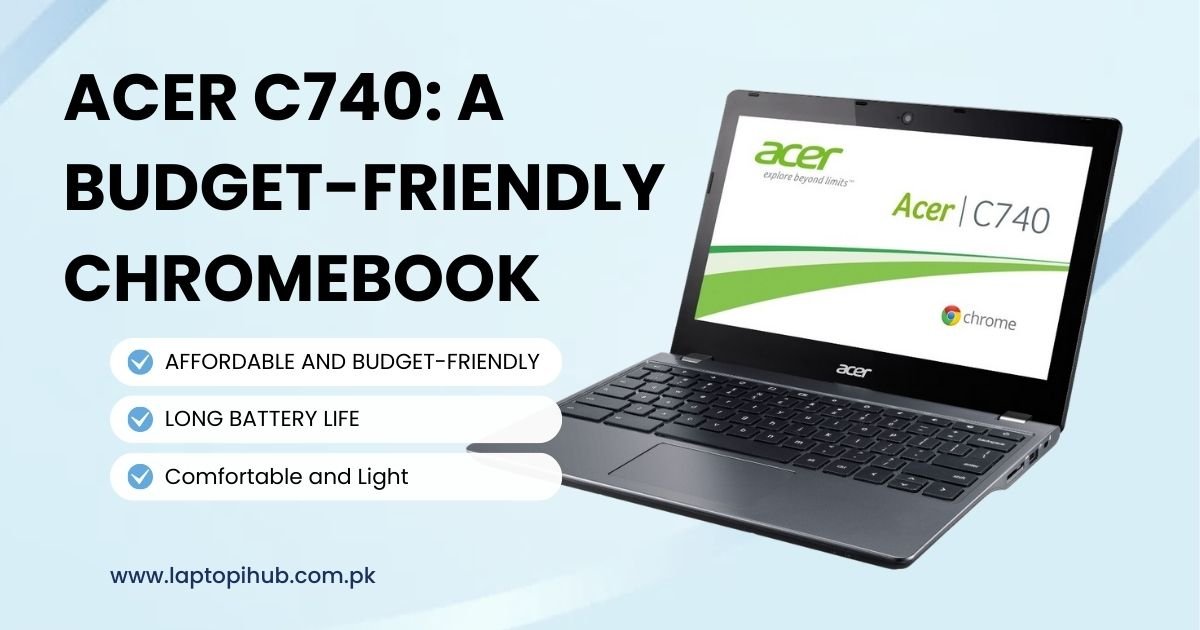
Acer C740: A Budget-Friendly Chromebook

Discover the Acer C740 Chromebook, a budget-friendly, durable laptop perfect for students and casual users. Is it still worth buying? Find out now!

Introduction

Chromebooks have taken the world by storm, offering a lightweight, affordable alternative to traditional laptops. Among them, the Acer C740 has gained popularity, especially among students and professionals looking for a reliable yet budget-friendly device. But how does this Chromebook hold up in today’s market? Let’s take a deep dive into its features, performance, and overall value.

Design and Build Quality

When it comes to design, the Acer C740 keeps things simple and functional. Its compact and lightweight build makes it highly portable, perfect for carrying around in a backpack. Unlike some premium Chromebooks, it doesn’t boast a flashy design, but it does feel sturdy enough to handle daily wear and tear.

One major highlight is its reinforced hinges and durable casing, which ensures longevity even with rough usage. This makes it an excellent choice for students who need a device that can withstand accidental drops and bumps.

Display and Visual Experience

The 11.6-inch HD display offers decent picture quality with 1366×768 resolution. While it may not be the sharpest screen out there, it does a good job of delivering clear visuals for web browsing, watching videos, and basic productivity tasks.

However, the lack of an IPS panel means that viewing angles aren’t the best. If you’re someone who requires a higher resolution or better color accuracy, you might find this display a bit underwhelming. That said, for a budget-friendly Chromebook, it still provides a satisfactory experience for most users.

Performance and Processing Power

Under the hood, the Acer C740 is powered by an Intel Celeron processor, coupled with 4GB of RAM. While this might seem underwhelming compared to modern standards, Chrome OS is designed to run smoothly even on modest hardware.

For general tasks like browsing, streaming, and working with Google Docs, the performance is more than adequate. However, if you’re planning to run multiple applications simultaneously or use demanding software, you might experience occasional slowdowns.

Storage and Cloud Integration

This Chromebook comes with 16GB or 32GB of SSD storage, which might seem limited, but Chrome OS is heavily cloud-based. Google Drive integration ensures that most of your files are stored online, freeing up local space. Additionally, you can expand storage via a microSD card or external hard drives if needed.

Acer Chromebook C740

Battery Life: An All-Day Companion

One of the strongest aspects of the Acer C740 is its long battery life. With up to 9 hours of usage on a single charge, it easily lasts a full school or workday. This makes it a great choice for users who need a reliable laptop without constantly worrying about charging.

Keyboard and Trackpad Experience

Typing on the Acer C740 is comfortable, with well-spaced keys that offer a tactile response. For students and professionals who spend hours typing, this keyboard is a pleasant surprise for a budget device. The trackpad, while functional, isn’t the most responsive compared to high-end laptops, but it gets the job done.

Connectivity and Ports

Despite its compact size, the Acer C740 provides a decent selection of ports, including:

  • USB 3.0 and USB 2.0 ports
  • HDMI output for external display support
  • Headphone/microphone combo jack
  • SD card slot for additional storage

For wireless connectivity, it supports Wi-Fi and Bluetooth, ensuring smooth internet browsing and easy pairing with peripherals like wireless headphones and mice.

Acer Chromebook C740

Chrome OS and Software Support

Running on Chrome OS, the Acer C740 benefits from regular updates, enhanced security, and access to the Google Play Store (depending on the model). The OS is designed for efficiency, allowing users to browse, stream, and work with minimal lag. Additionally, built-in virus protection adds an extra layer of security compared to traditional Windows laptops.

Who Is the Acer C740 Best For?

This Chromebook is ideal for:

  • Students who need an affordable, lightweight laptop for note-taking and research.
  • Casual users looking for a simple device for web browsing, streaming, and emails.
  • Professionals on a budget who rely on cloud-based applications and need a travel-friendly laptop.

However, if you require heavy multitasking, gaming, or professional-grade software, this might not be the best option for you.

Pros and Cons

Pros:

✔️ Affordable and budget-friendly

✔️ Sturdy and durable design

✔️ Long battery life

✔️ Lightweight and portable

✔️ Good performance for basic tasks

Cons:

❌ Limited storage space

❌ Mediocre display quality

❌ Not suitable for heavy multitasking

Final Verdict: Is the Acer C740 Worth It?

The Acer C740 is a solid budget Chromebook that delivers where it matters most: affordability, portability, and reliability. While it’s not the most powerful device on the market, it serves its purpose well for students, casual users, and professionals on a budget. If you need a straightforward laptop for everyday tasks, this Chromebook is definitely worth considering.

However, if you require more power, storage, or a premium display, you might want to explore other options in the Chromebook lineup.

FAQs

1. Can I install Windows on the Acer C740?

While technically possible, installing Windows on the Acer C740 is not recommended due to hardware limitations. Chrome OS is optimized for the device.

2. Does the Acer C740 support Android apps?

Some models support Android apps via the Google Play Store, but it’s best to check the specific variant before purchasing.

3. Is the Acer C740 good for gaming?

No, the Acer C740 is not designed for gaming. It can handle basic web-based games but struggles with anything beyond that.

4. Can I upgrade the RAM and storage?

The RAM is soldered and cannot be upgraded, but you can expand storage using an external drive or SD card.

5. How does the Acer C740 compare to newer Chromebooks?

Newer Chromebooks offer better displays, improved processors, and more storage. However, the Acer C740 remains a great option for budget-conscious users.

Lenovo's extendable laptop screen

Lenovo’s Extendable Laptop Screen: A New Era in Mobility

Discover Lenovo’s extendable laptop screen, revolutionizing mobility with innovative design, enhanced productivity, and seamless multitasking.

Introduction

Imagine a laptop that expands its screen size at the push of a button—no extra monitors, no external accessories, just pure innovation. Lenovo is pushing the boundaries of laptop design with its extendable laptop screen, a revolutionary approach that redefines portability and productivity.

With people demanding larger screens for multitasking, gaming, and entertainment, traditional laptops often fall short. Lenovo’s new extendable screen technology aims to solve this problem by offering a seamless transition from a compact laptop to a larger workspace. But how does it work, and is it truly the future of mobile computing? Let’s dive in!

What is Lenovo’s Extendable Laptop Screen?

Lenovo’s extendable laptop screen is a cutting-edge display technology that allows users to expand their screen size dynamically. Unlike foldable or dual-screen laptops, this model features a roll-out mechanism that increases screen real estate without adding extra bulk.

With the simple press of a button, the display extends smoothly, providing additional screen space for multitasking, entertainment, and work. This design keeps the laptop portable while offering a flexible workspace.

The Technology Behind Extendable Screens

Mechanism of the Extendable Display

Lenovo’s extendable screen works using a flexible OLED panel that rolls out from within the laptop chassis. This mechanism relies on advanced motorized or manual sliders that allow smooth extension and retraction of the display without compromising durability.

OLED vs. LCD: Which Technology Powers It?

Lenovo’s extendable screen is expected to use OLED (Organic Light Emitting Diode) technology, known for its superior color accuracy, brightness, and power efficiency. OLED screens are also thinner and more flexible than traditional LCDs, making them ideal for rollable designs.

Durability and Longevity of the Screen

One concern with moving screens is durability. Lenovo has likely implemented reinforced materials and scratch-resistant coatings to ensure the extendable screen remains functional over time. Additionally, the sliding mechanism is built to withstand thousands of expansions and retractions without performance degradation.

Advantages of an Extendable Laptop Screen

Portability Meets Productivity

A laptop that expands on demand means you can carry a compact device while still enjoying a large display whenever needed. Whether you’re on a plane, in a coffee shop, or at your desk, you have the flexibility to adjust your screen size based on your task.

Enhanced Multitasking Capabilities

With a larger screen, users can open multiple applications side by side without feeling cramped. This is perfect for professionals who juggle spreadsheets, presentations, and emails simultaneously.

Better Gaming and Entertainment Experience

Gamers can benefit from a larger field of view, enhancing their experience in immersive titles. Streaming movies or editing videos also becomes more enjoyable with an expanded display.

Improved Workstation Flexibility

For professionals and students, an extendable screen reduces the need for external monitors, making it easier to work efficiently from anywhere.

How Lenovo’s Innovation Stands Out

While brands like ASUS and HP have experimented with dual-screen laptops or foldable displays, Lenovo’s roll-out approach provides the best of both worlds: a compact laptop when needed and a large, seamless display when expanded.

Use Cases for an Extendable Laptop Screen

For Business Professionals

  • Expandable workspace for handling multiple applications
  • Improved video conferencing experience

For Gamers

  • Larger display for immersive gaming
  • Better performance with a bigger screen

For Creatives

  • Ideal for graphic designers, video editors, and digital artists
  • Expands the workspace without external monitors

For Students and Remote Workers

  • Perfect for switching between study, research, and entertainment
  • More screen space for online classes and collaboration

Challenges and Potential Downsides

Cost and Affordability

New technology often comes at a premium price. Lenovo’s extendable laptop screen might initially be expensive, making it less accessible to budget-conscious buyers.

Durability Concerns

Moving parts introduce potential wear and tear risks. Lenovo must ensure the screen expansion mechanism remains reliable over long-term use.

Software Compatibility Issues

Not all applications are optimized for dynamic screen sizes. Developers might need to update their software to support Lenovo’s extendable display fully.

Lenovo ThinkPad X250

The Future of Extendable Screens in Laptops

As display technology advances, extendable screens might become mainstream, leading to even thinner, lighter, and more durable laptops. Innovations like self-healing materials and faster refresh rates could make these screens even more appealing in the coming years.

Is It Worth the Hype?

If you’re a professional, gamer, or creative who craves more screen space without extra bulk, Lenovo’s extendable laptop could be a game-changer. However, early adopters should be prepared for high costs and potential durability concerns.

Conclusion

Lenovo’s extendable laptop screen is pushing the boundaries of what’s possible in mobile computing. By offering a compact laptop that transforms into a large-screen powerhouse, it caters to a wide range of users. While challenges like pricing and durability remain, the potential benefits make this innovation an exciting step toward the future of portable computing.

FAQs

How does Lenovo’s extendable laptop screen work?

It features a rollable OLED display that extends or retracts with a sliding mechanism.

Is an extendable screen better than a dual-screen laptop?

Yes! It provides a seamless display experience without the gap or hinge seen in dual-screen models.

Will Lenovo’s extendable laptop be expensive?

Most likely, since new technology usually carries a premium price tag.

Can the extendable screen be used for gaming?

Absolutely! A larger display enhances gaming visuals and immersion.

When will Lenovo’s extendable laptop be available?

Lenovo has not officially announced a release date, but it’s expected to launch within the next few months.

Read More: What is Majorana 1? Unlocking Quantum Computing’s Potential