Discover the benefits and challenges of Adaptive Software Development, a flexible, customer-focused approach to modern software creation.
Introduction to Adaptive Software Development
In the fast-paced world of software development, flexibility and adaptability are not just buzzwords—they’re necessities. Adaptive Software Development (ASD) has emerged as a powerful methodology to keep pace with rapidly changing requirements, evolving technologies, and customer expectations. But what exactly is ASD, and why is it becoming a go-to approach for modern teams?
What is Adaptive Software Development (ASD)?
Adaptive Software Development is an iterative, flexible approach to software creation that prioritizes adaptability over rigid planning. Unlike traditional methodologies like the Waterfall model, ASD encourages teams to embrace change and learn continuously throughout the development process.
History and Evolution of ASD
ASD has its roots in the Agile movement, which gained traction in the late 1990s and early 2000s. Originated by Jim Highsmith, ASD was designed to challenge the rigidity of traditional development processes, promoting a more dynamic and customer-focused approach.
Why is ASD Important in Modern Software Development?
In a world where customer needs and market demands change in the blink of an eye, sticking to a fixed plan can lead to outdated and irrelevant solutions. ASD empowers teams to pivot when necessary, delivering software that truly meets user needs.
Key Principles of Adaptive Software Development
Collaboration Over Control
ASD thrives on collaboration, encouraging developers, stakeholders, and customers to work closely together rather than relying on hierarchical control structures.
Continuous Learning and Adaptation
Teams continuously learn from each iteration, making informed decisions and improvements throughout the process.
Value-Driven Results
The focus is always on delivering maximum value to the customer, ensuring that every piece of software developed serves a meaningful purpose.
Benefits of Adaptive Software Development
Enhanced Flexibility and Agility
Responding Quickly to Change
ASD allows teams to adapt swiftly to new information or shifting priorities. This flexibility ensures projects remain aligned with business goals.
Supporting Innovation
By embracing change, teams can experiment with creative solutions, fostering innovation.
Improved Team Collaboration
Encouraging Open Communication
Frequent discussions and feedback loops create an open environment where ideas flourish.
Empowering Teams to Make Decisions
ASD places trust in team members, empowering them to make decisions that drive the project forward.
Delivering Customer-Centric Solutions
By continuously integrating customer feedback, ASD ensures that the final product aligns with user needs and expectations.
Reducing Risks in Software Development
Frequent testing and iterative cycles minimize the risk of major failures, making ASD a safer choice for complex projects.
Challenges of Adaptive Software Development
Navigating Uncertainty
Dealing with Changing Requirements
While change is a strength of ASD, it can also create uncertainty and make planning difficult.
Managing Client Expectations
Clients may struggle to understand the iterative nature of ASD, leading to potential misalignment.
Team Dynamics and Collaboration
Aligning Team Members’ Goals
Bringing diverse team members together under a shared vision can be challenging.
Handling Conflicts in Decision-Making
Differences in opinions may slow down progress, especially in high-pressure situations.
Need for Skilled and Adaptive Team Members
ASD requires a team that is not only skilled in their domain but also comfortable with ambiguity and change.
Balancing Speed and Quality
The push for quick iterations can sometimes lead to quality compromises, which must be carefully managed.
Real-World Examples of Adaptive Software Development
Companies Successfully Implementing ASD
Organizations like Spotify and Microsoft have embraced ASD principles, creating dynamic, user-focused solutions.
Lessons Learned from Failed ASD Projects
Even with its benefits, ASD can fail when teams lack alignment, training, or proper implementation strategies.
How to Overcome Challenges in ASD
Implementing Agile Best Practices
Incorporating practices like daily stand-ups, sprint reviews, and retrospectives can enhance ASD effectiveness.
Investing in Team Training and Development
Equipping team members with the skills to thrive in adaptive environments ensures long-term success.
Leveraging Tools for Better Collaboration
Tools like JIRA, Trello, and Slack can streamline communication and task management, making it easier to stay on track.
Future of Adaptive Software Development
Trends Shaping ASD
Emerging technologies and methodologies will continue to evolve ASD, making it even more efficient and user-focused.
The Role of Artificial Intelligence in ASD
AI tools are poised to revolutionize ASD by automating repetitive tasks, predicting risks, and enhancing decision-making.
Conclusion
Adaptive Software Development is a game-changer in the tech world, offering unparalleled flexibility, collaboration, and customer focus. While it comes with challenges, its benefits far outweigh the drawbacks for teams willing to embrace its principles. As technology evolves, ASD will remain a cornerstone of successful software projects, driving innovation and excellence.
FAQs
What is the primary goal of Adaptive Software Development?
The primary goal of ASD is to deliver high-quality, value-driven software that adapts to changing customer needs and market conditions.
How does ASD differ from traditional software development methodologies?
ASD prioritizes flexibility, collaboration, and iterative development, unlike traditional methods that follow rigid, linear processes.
Can small teams benefit from Adaptive Software Development?
Absolutely! Small teams often find it easier to implement ASD due to fewer communication barriers and greater flexibility.
What tools are essential for ASD?
Tools like JIRA, Confluence, Trello, and Slack are commonly used to facilitate collaboration and project management in ASD.
How can organizations get started with ASD?
Organizations can start by adopting Agile principles, training their teams, and gradually implementing adaptive practices into their workflows.
Explore the importance of Information Management for Small Business and discover strategies to streamline operations, enhance decision-making, and drive growth.
Introduction
In today’s fast-paced digital world, small businesses are bombarded with vast amounts of data. Whether it’s customer information, financial records, or inventory data, keeping track of everything can feel overwhelming. This is where information management becomes crucial. But what exactly does it entail, and why is it so vital for small businesses? Let’s dive into the world of information management and uncover how it can help small businesses not just survive, but thrive.
What is Information Management?
At its core, information management is the process of collecting, storing, organizing, and distributing data efficiently within a business. Unlike data management, which focuses solely on handling data, information management considers how that data becomes meaningful information that drives decisions and strategy. It’s about making sense of the numbers and turning them into actionable insights.
The Role of Information Management in Small Businesses
For small businesses, effective information management can be a game-changer. Imagine a cluttered desk—papers stacked high, post-it notes everywhere, and lost invoices. Now imagine a streamlined workspace where everything has its place, and all critical information is just a click away. That’s the power of good information management.
Small businesses can streamline operations, reduce errors, and make faster decisions by ensuring that critical data is easily accessible. It’s not just about keeping track of records; it’s about making data work for the business.
Types of Information Managed by Small Businesses
Small businesses manage various types of information, each playing a vital role in day-to-day operations. Some of the most common include:
Customer Data: Names, contact details, purchase history, and preferences.
Financial Records: Invoices, expenses, and tax documents.
Product and Inventory Information: Stock levels, supplier information, and pricing.
Employee Data: Payroll, personal details, and performance reviews.
Handling this information correctly can lead to better decision-making and a more organized workflow.
Challenges Small Businesses Face Without Proper Information Management
Without proper information management, small businesses are left grappling with several challenges:
Data Overload: With so much data coming in, it’s easy to get overwhelmed.
Inefficiency: Manually sifting through data wastes time and resources.
Poor Decision-Making: Without accurate, up-to-date information, making informed decisions becomes nearly impossible.
Security Vulnerabilities: Sensitive information can be exposed without secure management systems.
These challenges can stifle growth and prevent small businesses from reaching their potential.
Benefits of Effective Information Management for Small Businesses
On the flip side, having a solid information management system offers several advantages:
Improved Efficiency: No more digging through piles of paperwork or old files.
Better Customer Satisfaction: With accurate customer data, businesses can tailor their services to meet client needs.
Enhanced Decision-Making: Having all the information at your fingertips allows for better, quicker decisions.
Competitive Advantage: Efficient information management can set a business apart from competitors still struggling with their data.
How to Develop an Effective Information Management Strategy
Developing a strategy for managing information doesn’t have to be complicated. Here are a few key steps:
Identify Key Information: Understand what data is crucial for your business and focus on organizing that first.
Invest in the Right Tools: Not every business needs a high-end solution, but you do need tools that fit your needs.
Establish Protocols and Procedures: Make sure everyone knows how to handle and store data properly.
Regularly Review and Update: Technology changes fast. Ensure your systems are updated to stay efficient.
The Role of Technology in Information Management
Technology plays an essential role in how small businesses manage their information. Gone are the times of physical filing cabinets. Today, businesses use cloud storage, software solutions, and automation tools to keep everything in order.
Cloud storage allows businesses to store data securely offsite, reducing the risk of physical damage or theft. Automation tools help reduce manual data entry and errors, allowing small businesses to focus on what matters: growth.
Choosing the Right Information Management Tools
Selecting the right tool can be challenging, but here’s what small businesses should consider:
Usability: Is it easy for employees to adopt?
Scalability: Will it grow with your business?
Security: Does it offer sufficient protection for sensitive data?
Some popular information management systems for small businesses include Google Workspace, Zoho, and Microsoft SharePoint. These platforms offer a range of solutions that cater to different business needs.
The Importance of Security in Information Management
One of the biggest threats to small businesses is poor data security. Data breaches can lead to significant financial losses and a damaged reputation. Implementing security best practices, such as encryption, access control, and regular backups, is essential for safeguarding sensitive information.
The Impact of Poor Information Management on Business Growth
Small businesses that fail to manage their information properly face a host of negative consequences:
Missed Opportunities: Data is a valuable asset. Without proper management, businesses can miss out on critical insights that drive growth.
Reduced Customer Trust: Mishandling customer data can erode trust and damage relationships.
Increased Costs: Inefficiency and errors due to poor information management can drive up operational costs.
Training Employees on Information Management
Employees are at the heart of any good information management system. It’s essential to train your staff on best practices, from handling sensitive data to utilizing the company’s information management tools. A well-trained team can help prevent mistakes and keep the system running smoothly.
Common Mistakes Small Businesses Make with Information Management
Some common pitfalls include:
Neglecting Regular Updates: Technology and data are always evolving, and your system should too.
Overcomplicating the Process: Keep it simple to avoid overwhelming employees.
Failing to Use Automation: Automation can save time and reduce errors—don’t overlook its importance.
Future Trends in Information Management for Small Businesses
The future of information management is exciting. Artificial intelligence (AI) and machine learning are becoming more accessible, allowing small businesses to gain insights from data like never before. Predictive analytics can help businesses forecast trends and make better decisions.
Conclusion
Information management is the backbone of any successful small business. By managing data effectively, small businesses can streamline operations, improve customer satisfaction, and make informed decisions. Investing time and resources into creating a robust information management system can lead to long-term success and a competitive edge in the marketplace.
FAQs
Why is information management essential for small businesses?
Information management helps streamline operations, improve decision-making, and maintain data security, all of which are crucial for growth and success.
What are the most common types of information managed in small businesses?
Common types include customer data, financial records, product and inventory details, and employee data.
How does information management improve decision-making?
By organizing and providing easy access to critical data, businesses can make more informed, timely decisions based on accurate information.
Discover the top 10 most visited AI tools, transforming industries with advanced features, creativity, and productivity enhancements.
Introduction
Artificial Intelligence (AI) has revolutionized nearly every industry, from marketing and content creation to customer service and design. With AI’s rapid development, more people are turning to AI tools to boost productivity, enhance creativity, and streamline workflows. The vast selection of AI tools available today can seem overwhelming, so let’s dive into the top 10 most visited AI tools that are helping businesses and individuals achieve incredible results. Ready to explore how AI can reshape the way we work and create?
What Makes an AI Tool Popular?
Several factors contribute to an AI tool’s popularity. Let’s break down why these tools stand out:
User-Friendliness
The best AI tools are designed to be intuitive, allowing users with minimal technical expertise to harness the power of artificial intelligence.
Versatility and Application
Popular AI tools offer solutions that span across industries, catering to content creators, marketers, developers, and beyond.
Accessibility and Pricing
Cost-effective and accessible AI tools tend to attract a larger audience, especially when they offer scalable plans for both individuals and enterprises.
The Rise of AI Tools
AI tools are becoming essential in our computerized age. From automating mundane tasks to enabling complex data analysis, they help users save time and money while maintaining a high standard of output. The adaptability of AI means that it can be used across a variety of fields, creating a surge in AI tool adoption.
1. ChatGPT: The Conversational AI King
ChatGPT has made waves as one of the most visited AI tools due to its versatility. Whether you’re a business needing a chatbot or a writer looking for content inspiration, ChatGPT provides sophisticated conversational abilities.
Key Features of ChatGPT
Natural language processing
Engaging, human-like responses
Customizable for various industries
How ChatGPT Helps Businesses
From handling customer queries to providing marketing copy, ChatGPT saves time and enhances customer experience.
ChatGPT Use Cases
Marketing: Crafting personalized messages for customer engagement.
Customer Service: Automating customer support with AI-driven responses.
Content Creation: Generating blog ideas, headlines, and even full articles.
2. Jasper AI: Revolutionizing Content Creation
Jasper AI is transforming the way we create content, making it faster and more efficient. It can generate blog posts, ad copy, emails, and more with just a few prompts.
Why Jasper AI is a Game-Changer
Its ability to write in different tones and styles while maintaining high-quality output has earned Jasper a massive following.
Use Cases in Blogging, Ads, and More
Content creators and marketers rely on Jasper to brainstorm ideas, write compelling ads, and draft long-form content.
3. DALL·E: The Creative AI for Image Generation
DALL·E, an AI model developed by OpenAI, takes text prompts and transforms them into stunning visuals. This tool is a favorite among designers and artists who need quick, AI-generated images.
Transforming Visual Art and Design
DALL·E has made it easy to create unique visuals without the need for graphic design skills.
Use Cases in Marketing and Design
Businesses use DALL·E to create engaging visuals for ads, websites, and social media campaigns.
4. Copy.ai: Streamlining Writing with AI
Copy.ai is a favorite among content marketers for its ability to generate quick and relevant text for blog posts, social media, and more.
Why Content Creators Love Copy.ai
Its ease of use, combined with time-saving features, makes Copy.ai a go-to tool for anyone who needs written content fast.
Key Features for Efficient Content Creation
Automatic copy generation
Templates for various content types
Quick editing and revision tools
5. Grammarly: AI-Enhanced Writing Assistant
Grammarly is well-known for its advanced AI algorithms that help writers produce error-free content. It not only corrects grammar but also suggests stylistic improvements.
Elevating Writing Quality with AI
From emails to full-length articles, Grammarly further develops meaningfulness, clearness, and tone with AI-driven ideas.
Grammarly’s Features for Writers
Grammar and spell check
Tone and style suggestions
Plagiarism detection
6. MidJourney: AI Art Beyond Imagination
MidJourney is an AI tool that has pushed the boundaries of digital art. Artists are turning to this platform to create artwork that’s both imaginative and original.
Revolutionizing Artistic Creations with AI
MidJourney uses AI algorithms to generate stunning, intricate art that often surprises even the artist themselves.
How Artists Use MidJourney
From abstract art to commercial designs, artists leverage MidJourney’s creative potential to bring unique visions to life.
7. Synthesia: AI-Powered Video Creation
Synthesia has changed the way we create videos. This AI tool allows users to create professional-quality videos in minutes, using AI avatars and voiceovers.
How Synthesia Saves Time in Video Production
By automating video creation, Synthesia enables companies to create training videos, marketing content, and more without expensive production teams.
Real-World Applications for Businesses
Companies use Synthesia for product demos, explainer videos, and employee training, drastically reducing production costs.
8. DeepMind: Pioneering AI Research and Innovation
DeepMind, part of Google’s AI division, is known for its cutting-edge research in artificial intelligence, particularly in fields like healthcare, gaming, and scientific discovery.
DeepMind’s Role in Solving Complex Problems
By using AI to solve problems like protein folding, DeepMind has made breakthroughs that impact medical research and beyond.
Contributions to Healthcare and Technology
DeepMind’s innovations are driving significant advancements in medical diagnoses and AI-powered technologies.
9. Lumen5: AI Video Maker for Marketers
Lumen5 allows marketers to transform blog posts, news articles, and other content into engaging videos, using AI to automate much of the process.
Turning Blogs into Videos with AI
Lumen5 enables users to simply paste a blog URL, and it will generate a video storyboard with text, images, and animations.
Why Marketers Prefer Lumen5
Lumen5’s ability to turn written content into video with little effort is perfect for content marketers aiming to increase engagement.
10. Surfer SEO: Optimizing Content with AI
Surfer SEO takes the guesswork out of SEO by analyzing top-performing pages and suggesting changes to improve rankings.
The Role of AI in SEO Optimization
Surfer uses AI to analyze search results, helping users optimize their content for better visibility.
Key Features for SEO Success
Keyword research
Content optimization
Competitor analysis
How These AI Tools Shape the Future
The AI tools we’ve explored are just the beginning. As AI continues to evolve, we can expect even more sophisticated tools that will further streamline tasks, enhance creativity, and revolutionize industries.
Conclusion
AI tools have become an essential part of both personal and professional lives, enhancing productivity and creativity. From ChatGPT’s natural conversations to Surfer SEO’s content optimization, these top 10 most visited AI tools offer something for everyone. As technology advances, so will these tools, providing even more opportunities to innovate and succeed.
FAQs
What is the most visited AI tools?
ChatGPT is one of the most visited AI tools due to its versatility and wide range of applications.
How do AI tools benefit content creators?
AI tools like Jasper AI and Grammarly help content creators generate ideas, improve writing, and optimize for SEO, saving both time and effort.
Can AI tools completely replace human creativity?
While AI tools can upgrade innovativeness, they can’t totally supplant the special experiences and profound profundity that people bring to inventive ventures.
Are AI tools expensive to use?
Many AI tools offer free versions or scalable pricing, making them accessible to a wide range of users.
What industries benefit most from AI tools?
Industries such as marketing, healthcare, content creation, and technology see the most benefit from AI tools due to their ability to automate processes and analyze data.
Find the most recent cybersecurity threats and gain fundamental tips to protect yourself from phishing, malware, social designing, and more. Remain safe online!
Introduction
In the present digital age, cybersecurity is a higher need than at some other time. With the increasing reliance on innovation, the bet of cyber threats has never been higher. From individual information to fragile business information, everyone is a reasonable goal. In any case, how should you protect yourself? We ought to bounce into the universe of cybersecurity threats and sort out some way to protect yourself from likely dangers.
Understanding Cybersecurity Threats
Phishing Attacks
What is Phishing?
Phishing is an interesting undertaking to obtain fragile information by pretending to be a trustworthy component. It looks like a fisherman casting a wide net, hoping to find unsuspecting losses.
How Phishing Attacks Work
Phishers use email, online entertainment, and fake locales to bring losses into revealing individual information, for instance, passwords and Visa numbers.
Instances of Phishing Attacks
Typical models include fake messages from banks or online services asking you to “really look at your record” by clicking a link and entering your nuances.
Malware and Ransomware
Definition of Malware
Malware, short for poisonous software, is intended to mischief or gain unapproved induction to PC structures.
Kinds of Malware
There are various kinds of malware, including viruses, worms, Trojans, and spyware.
Impact of Ransomware
Ransomware locks your records and demands installment for their conveyance. It looks like a digital detainee situation, and paying the payoff doesn’t guarantee you’ll get your records back.
Social Engineering
Explanation of Social Engineering
Social engineering manipulates individuals into divulging restricted data. It looks like a cheat tricking you into giving away your secrets.
Ordinary Social Engineering Procedures
Methodologies include pretexting, baiting, and tailgating. These procedures exploit human brain science rather than particular vulnerabilities.
Man-in-the-Middle Attacks
What is a Man-in-the-Middle Attack?
In a Man-in-the-Middle (MitM) attack, the attacker unassumingly intercepts and changes the correspondence between two gatherings.
How These Attacks Occur
MitM attacks often occur on temperamental networks, where attackers can sneak around on your information transmissions.
Denial-of-Service (DoS) and Distributed Denial-of-Service (DDoS) Attacks
Understanding DoS and DDoS Attacks
A DoS attack floods a network or structure with traffic, rendering it unusable. A DDoS attack uses different contraptions to ship off the attack, amplifying its impact.
Effects of DoS and DDoS Attacks
These attacks can injure locales and online services, causing gigantic extra energy and financial setback.
Password Attacks
Kinds of Password Attacks
Password attacks include monster force, word reference attacks, and capability stuffing.
Aftereffects of Password Breaches
A compromised password can provoke unapproved permission to individual and professional records, conceivably causing outrageous damage.
Protecting Yourself Against Cybersecurity Threats
Fundamental Cyber Cleanliness
Meaning of Strong Passwords
A strong password is your most vital line of gatekeeper. Use a combination of letters, numbers, and special characters.
Using Two-Factor Authentication
Two-factor authentication adds an extra layer of security, requiring a second kind of check.
Ordinary Software Updates
Keep awake with the most recent to protect against the latest threats. Think of it as typical maintenance for your digital life.
Recognizing and Avoiding Phishing Scams
Tips to Distinguish Phishing Attempts
Really focus on questionable email addresses, spelling bungles, and critical sales for individual information.
Pushes toward Take if You Suspect a Phishing Attack
Click on no links or download associations. Report the email to your service provider and erase it.
Installing and Updating Against Malware Software
Benefits of Against Malware Undertakings
Against malware software can recognize and eliminate poisonous tasks, keeping your structure safe.
Instructions to Pick the Right Software
Look for authentic software with positive reviews major areas of strength for and.
Securing Your Network
Meaning of a Protected Network
A strong network hinders unapproved access and monitors your information.
Using Firewalls and VPNs
Firewalls block unapproved access, while VPNs encode your internet affiliation.
Educating Yourself and Others
Staying Informed About Cyber Threats
Remain invigorated on the latest cybersecurity news and examples. Information is power.
Sharing Information with Friends and family
Show others the meaning of cybersecurity. A safer neighborhood with you.
Backing Up Your Information Routinely
Why Reinforcements are Imperative
Ordinary reinforcements promise you can recuperate your information in case of a cyberattack.
Best Practices for Information Reinforcement
Use different reinforcement procedures, for instance, external drives and cloud services.
Conclusion
Cybersecurity threats are continuously evolving, yet by staying informed and careful, you can protect yourself and your information. Remember, the battle against cyber threats is ongoing, and your best watchman is a proactive perspective.
FAQs
What are the most notable indications of a phishing email?
Look for nonexclusive greetings, desperate sales, and questionable links.
How should I inform as to whether my PC has been infected with malware?
Signs include slow performance, startling pop-ups, and new activities.
How might it be fitting for me to answer if I surrender to a ransomware attack?
Withdraw from the internet, report the attack, and search for professional help.
How often could it be prudent for me to invigorate my passwords?
Update passwords every three to a half year and after any security break.
Is it protected to use public Wi-Fi networks?
Public Wi-Fi can be risky. Use a VPN and make an effort not to get to sensitive information.
Find Microsoft’s AI-powered Surface PCs with improved execution, customized encounters, and high level security.
The Development of Surface PCs
Surface PCs have progressed significantly since their initiation. From the main Surface tablet delivered in 2012 to the flexible Surface Genius series, Microsoft has persistently pushed the limits of plan and usefulness. Each new model presented novel features, from the separable console to the Surface Pen, improving efficiency and inventiveness.
The Job of AI in Surface PCs
Artificial intelligence is as of now not a modern idea; it’s a substantial reality changing how we interface with technology. With regards to Surface PCs, AI is coordinated to upgrade execution, improve client experience, and give more intelligent arrangements. This joining implies that your Surface PC gains from your utilization designs, making it more effective and customized over the long run.
Key Features of AI-Powered Surface PCs
Upgraded Execution and Speed
One of the most striking advantages of AI in Surface PCs is the huge lift in execution and speed. AI calculations oversee assets all the more successfully, guaranteeing that your PC chugs along as expected in any event, when performing various tasks with requesting applications.
Insightful Battery The board
Battery duration is a pivotal variable for any convenient gadget. AI in Surface PCs astutely oversees power utilization, expanding battery duration by learning your use designs and advancing foundation processes.
High level Security Features
Security is fundamental in the present computerized age. AI-powered Surface PCs come outfitted with cutting edge security features, like facial acknowledgment and biometric validation, guaranteeing that your information is safeguarded against unapproved access.
AI-Driven Client Experience
Customized Figuring Experience
Envision a PC that adjusts to your inclinations and propensities. With AI, Surface PCs offer a customized registering experience, changing settings, suggesting applications, and in any event, foreseeing your necessities before you understand them.
Further developed Openness Features
Availability is enormously upgraded with AI. Features like voice acknowledgment and signal controls make it simpler for clients with inabilities to communicate with their PCs, separating obstructions and encouraging inclusivity.
Voice and Signal Acknowledgment
Voice and signal acknowledgment are not simply cutting edge contrivances; they are functional instruments that upgrade efficiency. Whether you’re directing a record or exploring through applications with a rush of your hand, these features make connecting with your PC more instinctive.
Plan and Fabricate Quality
Smooth and Present day Plan
Microsoft has forever been known for its smooth plans, and the new Surface PCs are no exemption. They gloat a cutting edge tasteful with clean lines and premium materials, making them however snazzy as they seem to be utilitarian.
Sturdiness and Materials Utilized
Sturdiness is one more sign of Surface PCs. Worked with excellent materials, these gadgets are intended to endure daily mileage while maintaining their exquisite look.
Execution and Effectiveness
Benchmark Correlations
With regards to execution, numbers say a lot. Benchmark correlations show that AI-powered Surface PCs outflank numerous contenders, especially in regions like handling velocity and illustrations delivering.
Genuine Execution Situations
True utilization situations further feature the productivity of these gadgets. Whether you’re altering high-goal recordings or running complex reproductions, AI-powered Surface PCs handle undertakings easily, offering a consistent client experience.
Programming and Similarity
Windows 11 Integration
These new Surface PCs accompany Windows 11, the most recent and most progressive working framework from Microsoft. Windows 11 offers a plenty of features intended to upgrade efficiency, innovativeness, and gaming encounters.
Similarity with Well known Programming and Applications
Similarity is never an issue with Surface PCs. They are intended to work flawlessly with an extensive variety of programming and applications, from proficient grade devices to ordinary applications, guaranteeing that clients can proceed with their work without interference.
Imaginative Equipment Features
State of the art Processors
At the core of these gadgets are state of the art processors that convey unrivaled execution. Whether you’re running various applications or taking part in asset concentrated errands, these processors guarantee that your PC remains responsive and productive.
High-Goal Presentations
Visuals are shocking on the new Surface PCs, on account of high-goal shows that offer lively tones and sharp details. This makes them ideal for inventive experts who require exact variety precision.
Predominant Designs Execution
Gamers and visual creators the same will see the value in the unrivaled illustrations execution of these gadgets. With strong GPUs, Surface PCs handle all that from very good quality gaming to 3D delivering effortlessly.
Availability and Conveyability
Availability Choices
Remaining associated is more straightforward than at any other time with the new Surface PCs. They accompany an assortment of network choices, including USB-C, Thunderclap, and Wi-Fi 6, guaranteeing that you can interface your gadgets and peripherals with next to no issue.
Transportability and Battery Duration
Transportability is a critical element of Surface PCs. Regardless of their strong equipment, these gadgets are lightweight and simple to convey. Combined with shrewd battery the board, they offer dependable battery duration, making them ideal for in a hurry use.
Influence on Efficiency
Apparatuses for Experts
Experts will track down a ton to cherish about the new Surface PCs. With apparatuses like Microsoft 365 and improved performing various tasks abilities, these gadgets are intended to help efficiency and smooth out work processes.
Upgrades for Innovative Work
Creatives are not left out all things considered. Features like the Surface Pen, high-goal shows, and strong designs abilities make these PCs ideal for advanced craftsmen, picture takers, and video editors.
Sustainability and Natural Effect
Eco-Accommodating Materials and Cycles
Microsoft is centered around sustainability, and this is clear in the new Surface PCs. They are made using eco-obliging materials and collecting processes, reducing their regular impression.
Microsoft’s Sustainability Objectives
These gadgets line up with Microsoft’s more extensive sustainability objectives, which incorporate lessening fossil fuel byproducts and advancing reusing. By picking a Surface PC, you’re supporting an organization that values ecological obligation.
Market Position and Contest
Rivals On the lookout
The tech market is profoundly aggressive, with various brands competing for the best position. Nonetheless, Microsoft’s AI-powered Surface PCs stand apart because of their inventive features and unrivaled execution.
How Surface PCs Stick Out
What separates Surface PCs is their consistent coordination of AI, which upgrades each part of the client experience. From customized settings to wise asset the executives, these gadgets offer an extraordinary mix of force and comfort.
Conclusion
In rundown, Microsoft’s new AI-powered Surface PCs address a critical leap in innovation. Via consistently coordinating AI, these gadgets offer upgraded execution, customized client encounters, and high level security features. Whether you’re an expert looking for a solid workhorse or an imaginative searching for incredible assets, these Surface PCs bring something to the table. As technology keeps on advancing, Microsoft’s obligation to innovation guarantees that the fate of individualized computing is more brilliant than any time in recent memory.
Discover the top 10 cool gadgets of 2025 that will revolutionize your daily life with cutting-edge tech, innovation, and smart features!
Introduction
Welcome to the future! As technology evolves at an unprecedented rate, 2025 is shaping up to be a year filled with groundbreaking innovations. From AI-powered devices to futuristic wearables, the gadgets hitting the market are smarter, more efficient, and more exciting than ever.
But what makes these gadgets stand out? Whether it’s the seamless integration of artificial intelligence, improved functionality, or just sheer coolness, these devices are redefining convenience and entertainment. Let’s dive into the top 10 coolest gadgets of 2025 and see what’s in store for tech enthusiasts.
1. Next-Gen Smart Glasses
Smart glasses are no longer a concept of science fiction. The latest models in 2025 offer augmented reality (AR) capabilities, real-time navigation, and even voice-controlled virtual assistants.
🔹 Features:
AI-powered real-time translation
Seamless integration with smartphones
Lightweight, stylish design
These smart glasses are changing the way we interact with digital content, making them perfect for professionals, travelers, and tech lovers.
Virtual assistants have been around for a while, but 2025 brings a new wave of AI-driven devices that can anticipate your needs before you even express them.
💡 What’s New?
Advanced speech recognition and response
Gesture and facial recognition
Personalized task management
Imagine a personal assistant that not only schedules meetings but also detects your mood and suggests relaxing activities!
Keeping track of your health has never been easier with next-gen wearable monitors. These tiny yet powerful devices analyze your vitals 24/7 and provide real-time insights.
🏃 Key Benefits:
Monitors heart rate, oxygen levels, and stress levels
AI-powered fitness coaching
Detects early signs of health issues
With these smart wearables, staying healthy is no longer a guessing game.
Gone are the days of bulky screens and fragile foldable phones. The 2025 models offer flexible, ultra-durable displays with seamless folding technology.
📱 Why They’re Better:
Scratch-resistant, self-healing screens
Compact yet powerful performance
Longer battery life
These futuristic phones blend style and function effortlessly!
Gaming in 2025 is more immersive than ever. Hyper-realistic graphics, VR integration, and AI-driven storytelling make gaming an entirely new experience.
🎮 Top Features:
8K resolution support
Zero-lag cloud gaming
Haptic feedback controllers
If you’re a gamer, this is the year to upgrade your console!
Tech never stops evolving! Expect even smarter AI, eco-friendly tech, and enhanced automation in the coming years. The future is here, and it’s only getting better.
Conclusion
From smart glasses to AI drones, 2025 is packed with exciting innovations that will shape the way we live, work, and play. Which gadget are you most excited about? Get ready to experience the future of technology!
FAQs
What is the most innovative gadget of 2025?
AI-powered smart glasses are leading the pack with their advanced AR features.
Are smart glasses worth investing in?
Yes! They offer a mix of convenience, AR technology, and real-time assistance.
How do AI-powered personal assistants work?
They use advanced machine learning to understand commands, automate tasks, and provide personalized suggestions.
What’s the best smart home hub to buy in 2025?
AI-integrated hubs like Google Nest AI and Amazon Echo Pro dominate the market.
Will foldable smartphones replace regular ones?
They are gaining popularity, but traditional smartphones still hold a strong market presenc
Master entrepreneurship with steps to turn vision into reality. Learn strategies for growth, marketing, and overcoming challenges to succeed.
Introduction
In today’s fast-paced world, the term “entrepreneurship” has become a buzzword, but at its core, it represents something profound: the journey of turning an ambitious vision into a tangible reality. Entrepreneurs shape industries, create jobs, and bring groundbreaking ideas to life, influencing the way we live and work. But how does one actually turn a business dream into a thriving reality? Let’s break down the journey of mastering entrepreneurship, from a spark of an idea to a fully-fledged business.
Understanding the Entrepreneurial Mindset
Defining Entrepreneurship
Entrepreneurship goes beyond simply starting a business; it’s about identifying and acting upon opportunities to create value in unique ways. Unlike a traditional business owner who might follow established paths, an entrepreneur often ventures into uncharted waters, navigating uncertainties with an open mind.
Traits of Successful Entrepreneurs
What makes an entrepreneur tick? Success often comes down to mindset and certain key traits:
Risk-Taking: Entrepreneurs embrace uncertainty and make bold decisions. Without risk, innovation rarely thrives.
Resilience: Disappointments are unavoidable, yet effective entrepreneurs view them as learning open doors as opposed to mishaps.
Adaptability: In a constantly changing market, flexibility is essential. Being open to change keeps businesses relevant.
Visionary Thinking: Above all, entrepreneurs are driven by a compelling vision—a purpose that fuels their actions.
From Idea to Vision
Recognizing a Valuable Idea
Inspiration for business ideas can come from various sources—observing market trends, identifying problems, or even personal passions. The key is to find an idea that fills a genuine gap, something people need but may not yet realize.
Developing a Clear Vision
An idea is just the beginning. To transform it into something meaningful, an entrepreneur must define a clear, impactful vision. This vision shouldn’t just framework what you mean to accomplish yet in addition why. Aligning your vision with your values strengthens your business foundation and creates a compelling story for customers and investors alike.
Crafting a Business Plan that Works
Why a Business Plan Matters
A very much created marketable strategy is the guide to entrepreneurial achievement. Not only does it clarify your strategy, but it also shows investors and stakeholders that you’re serious about your goals. A business plan offers guidance and keeps you aligned with your vision as you navigate challenges and scale.
Key Components of a Business Plan
A comprehensive business plan includes:
Mission, Vision, and Objectives: Articulate your goals and how you intend to achieve them.
Market Research: Understand your audience and analyze your competition.
Financial Planning: Outline revenue streams, budget allocations, and long-term projections.
Building a Strong Business Foundation
Structuring Your Business
Choosing the right legal structure, such as an LLC or corporation, provides essential legal protections and defines the responsibilities within your business. Take the time to understand the implications of each option to pick the best fit for your vision.
Financing Your Venture
Finances are the backbone of any business. Whether it’s self-funding, securing a loan, or finding investors, you’ll need a reliable funding strategy. If seeking investors, present your business plan with confidence, emphasizing both potential growth and stability.
Effective Marketing Strategies for Entrepreneurs
Branding Your Business
Your brand identity is more than a logo; it’s your business’s personality. Craft a message that resonates with your target audience and conveys what makes you unique. This identity builds customer trust and fosters brand loyalty.
Digital Marketing Essentials
In today’s world, online presence is everything. Leveraging social media can widen your reach, while content marketing and SEO boost your visibility in search engines. A consistent, engaging online presence helps you connect with customers and establish authority in your field.
Overcoming Challenges in Entrepreneurship
Managing Risks and Setbacks
Challenges are part of the entrepreneurial journey. Whether facing financial struggles, market competition, or unexpected obstacles, resilience is key. Keep a positive outlook, learn from failures, and adapt as needed.
Avoiding Burnout
As an entrepreneur, you’re the backbone of your business—but burnout can hold you back. Prioritize self-care, maintain a work-life balance, and remind yourself why you embarked on this journey.
The Power of Networking and Collaboration
Building Meaningful Connections
Networking is a powerful tool in entrepreneurship. By connecting with other professionals, you gain access to resources, advice, and opportunities that can fuel growth.
Finding a Mentor
A mentor can guide you through the complexities of business, sharing wisdom from their own experiences. The right mentor offers valuable insights, constructive criticism, and motivation.
Scaling Your Business Successfully
Knowing When to Scale
Growth is exciting, but premature scaling can strain your resources. Recognize the signs—consistent profit, strong demand, and operational efficiency—that indicate when your business is ready to expand.
Scaling Strategies
Expanding could involve launching new products, exploring new markets, or improving operational efficiency. Make data-driven decisions and ensure that your expansion aligns with your overall vision.
Celebrating Wins and Reflecting on Progress
Recognizing Milestones
Commend each accomplishment, whether it’s launching a product or hitting revenue targets. These milestones fuel motivation and remind you of the progress you’ve made.
Adjusting Your Vision for Future Growth
Your vision may evolve as your business grows. Periodically revisit your goals, refine your strategies, and plan for sustainable, long-term impact.
Conclusion
Mastering entrepreneurship is a dynamic, multifaceted journey. From identifying an idea to creating a vision, building a business, and scaling for growth, every step is both challenging and rewarding. For those prepared to take the jump, the journey is worth every ounce of effort. Embrace the process, learn from each step, and turn your vision into a reality.
FAQs
What is the first step to take in becoming an entrepreneur?
Start by identifying a need or problem you’re passionate about solving. Develop an idea and outline a vision that aligns with your values.
Can entrepreneurship be learned, or is it innate?
While some traits are natural, many skills can be learned through experience, mentorship, and continuous learning.
What are the best ways to find inspiration for a business idea?
Pay attention to everyday problems, explore emerging trends, and listen to feedback. Inspiration often comes from observing the needs around you.
How important is mentorship in achieving entrepreneurial success?
Mentorship provides guidance, resources, and support, making it invaluable for navigating challenges and making informed decisions.
The healthcare industry is on the cusp of a digital revolution, with medical gadgets taking center stage in how we monitor, diagnose, and treat health conditions. As we move towards 2025, the role of technology in healthcare is becoming more significant than ever. From AI-powered diagnostic tools to wearable gadgets, the future promises innovations that will transform patient care and personal health monitoring. So, what medical marvels lie ahead? Let’s explore the cutting-edge gadgets poised to shape the future of medicine.
The Rise of Medical Gadgets in Healthcare
Medical gadgets have evolved dramatically over the past few decades. What started as rudimentary tools for simple health monitoring have now become sophisticated, AI-powered devices capable of providing real-time data and remote diagnosis. The rise of digital technology has accelerated these advancements, bridging the gap between healthcare professionals and patients. The future of healthcare hinges on these gadgets, which not only promise convenience but also have the potential to save lives.
Smart Wearables for Continuous Monitoring
Wearable Health Trackers
Wearable health trackers like smartwatches and fitness bands are no longer novelties; they have become mainstream health tools. These devices allow users to monitor vital signs, such as heart rate, blood pressure, and oxygen levels, right from their wrists. By 2025, these wearables will offer even more advanced functionalities, making them indispensable for proactive health management.
The Impact of Smartwatches on Personal Health
Smartwatches have already proven their worth by detecting irregular heart rhythms and encouraging healthier lifestyles. With continuous improvements, they’ll be equipped with more sensors to track hydration levels, stress, and even respiratory conditions. Imagine having a health coach on your wrist!
Continuous Glucose Monitoring Devices for Diabetics
Diabetes management is set to become much easier with continuous glucose monitors (CGMs). These gadgets allow real-time tracking of blood sugar levels without the need for frequent finger pricks. For diabetics, this innovation means fewer interruptions and better control of their condition.
AI-Powered Diagnostic Tools
Artificial Intelligence and Machine Learning in Diagnosis
Artificial intelligence is transforming the way medical diagnoses are made. AI-powered diagnostic tools can analyze vast amounts of data, making quicker and more accurate diagnoses than traditional methods. These gadgets can identify patterns in patient data, predict diseases, and recommend personalized treatments.
AI-Driven Imaging Technology
AI is playing a huge role in medical imaging, offering tools that can detect abnormalities in X-rays, MRIs, and CT scans faster than human experts. By 2025, these AI-driven tools will become standard practice, significantly reducing diagnostic errors.
Virtual Health Assistants
Imagine consulting an AI-powered virtual health assistant from your phone or home gadget! These virtual assistants can assess symptoms, provide medical advice, and even suggest treatment options, all from the comfort of your home.
Telemedicine Gadgets Revolutionizing Remote Care
Telemedicine Gadgets for Remote Patient Monitoring
Telemedicine has taken off in recent years, and with the help of medical gadgets, patients can now be monitored remotely without visiting a clinic. Gadgets like portable ECGs and smart stethoscopes enable real-time data sharing with healthcare providers, improving the quality of remote care.
Smart Stethoscopes
A smart stethoscope isn’t just a listening tool anymore. These gadgets can record heart and lung sounds, analyze the data, and send it to a doctor for further review. By 2025, smart stethoscopes could become a staple in telemedicine practices, offering more accurate diagnostics for remote patients.
Portable ECG Devices
Portable ECG gadgets have simplified heart monitoring for patients with cardiovascular diseases. These compact devices can be worn at home, transmitting heart data to doctors in real-time, helping to detect issues before they become critical.
Innovations in Wearable Therapy Devices
Wearable Pain Relief Devices
Chronic pain sufferers are in for a treat, thanks to wearable devices designed to relieve pain. These gadgets use technologies like electrical stimulation to alleviate discomfort without the need for medication, offering a natural alternative for pain management.
Electrical Muscle Stimulation (EMS) Wearables
EMS devices help strengthen muscles and aid in recovery by using electrical impulses. Athletes and rehabilitation patients alike will benefit from advancements in these gadgets, which will become more accessible and effective by 2025.
Smart Posture Correction Devices
Bad posture is a widespread issue that can lead to long-term health problems. Wearable posture correctors will gently remind users to maintain good posture throughout the day, preventing back and neck pain.
Biosensors and Implantable Devices
Advanced Biosensors for Real-Time Data Collection
Biosensors will play a critical role in the future of personalized healthcare. These tiny gadgets can be worn or implanted, continuously monitoring biomarkers in the body. By 2025, biosensors will provide real-time health data that can alert users to potential issues before they worsen.
Implantable Sensors for Heart Health
Imagine a device implanted in your body that monitors your heart 24/7. Implantable sensors will revolutionize heart health monitoring by providing continuous data to both the patient and the doctor, ensuring that any heart irregularities are caught early.
Biometric Sensors for Mental Health Monitoring
Mental health monitoring is about to go high-tech. Wearable biometric sensors can track stress levels, sleep patterns, and emotional states, providing valuable insights for both patients and therapists to manage mental health conditions more effectively.
Smart Pills and Ingestible Sensors
Ingestible Sensors for Internal Monitoring
Smart pills are on the horizon, offering a way to monitor internal health conditions in real-time. These tiny, swallowable gadgets can detect issues in the gastrointestinal tract or other internal organs, transmitting the data to doctors for analysis.
Medication Tracking Pills
For patients who need to take medications regularly, ingestible sensors will help ensure compliance. These pills can track when medication is taken and monitor how it’s being absorbed by the body, providing critical information for treatment adjustments.
Gastrointestinal Monitoring Gadgets
Ingestible devices are also being developed to monitor the health of the digestive system. These gadgets can detect issues like inflammation or bleeding in the gut, offering early diagnosis and treatment options.
Personalized Healthcare with Genomics and Gadgets
How Genomic Data Will Influence Medical Devices
With the rise of genomic data, medical gadgets will become even more personalized. By understanding an individual’s DNA, gadgets will be able to offer tailored treatments and preventive measures for various health conditions.
DNA Sequencing Gadgets
DNA sequencing technology will soon be available in portable devices, allowing individuals to get a full genomic analysis from the comfort of their homes. This will open doors to personalized healthcare and treatment plans like never before.
Tailored Treatments via Wearable Devices
Wearable devices that integrate genomic data will be able to provide personalized treatment recommendations. From medications to lifestyle changes, these gadgets will guide patients in achieving optimal health outcomes.
Robotics in Healthcare
Robotic Surgical Assistants
Robots are already assisting surgeons in the operating room, but by 2025, they will become even more precise and efficient. Robotic surgical assistants will be able to perform complex surgeries with minimal human intervention, improving outcomes and reducing recovery times.
AI-Powered Precision in Surgery
AI will be at the heart of robotic surgery, ensuring that every incision is as precise as possible. These innovations will lead to fewer complications and faster healing for patients undergoing surgical procedures.
Rehabilitation Robots for Physical Therapy
Robotic exoskeletons and rehabilitation robots will play a key role in helping patients recover from injuries or surgeries. These devices offer targeted therapy, enabling faster recovery and greater mobility for patients.
Portable Diagnostic Labs
Handheld Diagnostic Devices
Imagine carrying a portable lab in your pocket! Handheld diagnostic gadgets will make it possible to perform blood tests, urine analyses, and other essential diagnostics without leaving home. These devices will bring healthcare to remote and underserved areas.
Lab-in-a-Pocket Technology
Portable labs will allow individuals to test for multiple conditions in real-time, offering immediate results. These gadgets will be particularly useful in managing chronic diseases or monitoring one’s overall health.
Advanced Blood Testing Kits
Blood testing kits are about to get a major upgrade. By 2025, advanced portable blood testing kits will provide rapid results for everything from cholesterol levels to infections, making it easier to manage health at home.
3D Printing in Personalized Medical Gadgets
The Role of 3D Printing in Medical Equipment
3D printing technology is already revolutionizing the way medical equipment is made. By 2025, we will see the creation of personalized prosthetics, implants, and even organs, customized to fit the unique needs of each patient.
Custom Prosthetics and Implants
Gone are the days of one-size-fits-all medical implants. 3D printing allows for the creation of prosthetics and implants tailored to individual anatomy, providing a more comfortable and functional fit for patients.
3D-Printed Organs for Transplants
Perhaps the most exciting advancement is the potential for 3D-printed organs. While still in its early stages, the technology could one day make organ shortages a thing of the past, saving countless lives.
Ethical Considerations and Challenges
Privacy Concerns with Health Gadgets
As with any technological advancement, the rise of medical gadgets comes with privacy concerns. Many devices collect personal health data, raising questions about how this information is stored and used. Patients will need assurances that their data is secure.
Data Security and Patient Confidentiality
Data breaches and cyber-attacks are real threats in the healthcare industry. As medical gadgets become more integrated into our daily lives, manufacturers will need to prioritize data security to protect patient confidentiality.
Ethical Implications of Implantable Devices
Implantable devices, while offering life-saving benefits, also come with ethical concerns. Patients must consider the long-term effects of having these devices in their bodies and whether they are comfortable with the level of surveillance that comes with them.
Looking Ahead: The Future of Medical Gadgets Beyond 2025
Predictions for Future Healthcare Innovations
The innovations we see in 2025 are just the beginning. Beyond this point, we can expect even more incredible advancements, such as AI-driven diagnostic devices that surpass human capabilities and wearable tech that can predict illnesses before symptoms appear.
Integration of AI and Robotics
The integration of AI and robotics will continue to evolve, blurring the lines between human and machine in healthcare. This collaboration will offer greater precision, faster recovery times, and improved patient outcomes.
Sustainable Medical Gadgets
Sustainability will also play a key role in the future of medical gadgets. Manufacturers are already exploring eco-friendly materials and methods to reduce the environmental impact of these devices.
Conclusion
The future of medical gadgets is incredibly bright, with innovations that will transform the way we approach healthcare. By 2025, we can expect to see smart wearables, AI-powered diagnostic tools, telemedicine gadgets, and biosensors becoming commonplace, helping us live healthier and longer lives. These gadgets will offer real-time data, personalized treatments, and greater convenience, ensuring that healthcare is accessible to everyone. The future of medicine isn’t just in the hands of doctors—it’s in the devices we carry every day.
FAQs
1. What are smart pills, and how do they work?
Smart pills are ingestible sensors that monitor internal health conditions and send real-time data to healthcare providers for analysis.
2. How will AI improve the accuracy of medical diagnostics?
AI will enhance diagnostics by analyzing large amounts of data quickly and accurately, identifying patterns and predicting diseases with precision.
3. Are there any risks associated with wearable health devices?
While wearable devices provide valuable health data, there are concerns regarding data security, accuracy, and potential over-reliance on technology.
4. What is the role of robotics in the future of surgery?
Robotics will increase precision in surgeries, allowing for minimally invasive procedures, reducing complications, and improving recovery times.
5. Can medical gadgets help prevent chronic illnesses?
Yes, many medical gadgets provide continuous monitoring and early detection, which can help prevent or manage chronic conditions before they worsen.
Ladies, let’s talk bags—but not just any bags. If you’re someone who juggles style, practicality, and a busy lifestyle, you need a leather laptop backpack that does more than just carry your gear. It should complement your outfit, feel luxurious, and support your tech and essentials effortlessly. Sound like a tall order? Don’t worry—we’ve got you covered.
Welcome to the ultimate guide to the 10 most stylish leather laptop backpacks for women that are equal parts chic and functional.
What to Look for in a Leather Laptop Backpack
Before we dive into the list, let’s chat about what makes a great leather backpack truly shine.
Size and Laptop Compatibility
No one wants to buy a stunning backpack only to find out it doesn’t fit their 15-inch laptop. Always double-check size specs.
Material Quality and Type of Leather
Not all leather is created equal. Full-grain, top-grain, or even high-quality vegan leather—each type brings its own vibe and durability.
Comfort and Ergonomic Design
Your backpack should hug your shoulders like a gentle cloud—not dig in like a fashion punishment. Padded straps and breathable backing matter.
Style and Aesthetic Appeal
It’s got to match your energy—whether that’s boss babe, minimalist, artsy, or glam. Leather adds that luxe factor you can’t beat.
Storage and Organizational Features
A padded laptop sleeve, zip pockets, space for your charger and lip gloss? Yes, please. Organization is queen.
Top 10 Stylish Leather Laptop Backpacks for Women
Let’s get into the fabulous ten.
1. ORNA’S LEATHER ART | Mini SWAN Everyday leather backpack
Why It Stands Out
This backpack has that New York street-style appeal. Clean lines, premium leather, and smart compartments.
Best For
City professionals who need a work-to-happy-hour transition piece.
Taking care of your backpack means it’ll stay beautiful for years.
Cleaning Do’s and Don’ts
Do: Wipe with a soft cloth, use leather cleaner.
Don’t: Use water, soap, or toss it in the wash.
How to Store Properly
Keep it stuffed (to maintain shape), in a dust bag, away from direct sunlight.
Protecting Against Water and Scratches
Use a leather protector spray. And don’t forget—be gentle with your zippers and corners!
Where to Buy These Backpacks
You’ve got options—just pick what suits your style and budget.
Conclusion
A leather laptop backpack is more than a fashion statement—it’s your everyday partner in crime. Whether you’re headed to class, the office, or jet-setting across the globe, having one that fits your style and your needs is game-changing. From luxury picks to budget beauties, this list gives you a taste of what’s out there. So go ahead, pick your fave, and level up your carry game!
FAQs
What size laptop fits in most leather backpacks for women?
Most leather backpacks can comfortably fit 13 to 15-inch laptops. Some even go up to 17 inches—just check the product specs.
Is vegan leather as durable as real leather?
Good quality vegan leather can be surprisingly durable, but real leather typically lasts longer with proper care.
Can leather backpacks be used for travel?
Absolutely! Many have anti-theft features, multiple compartments, and enough room for a day’s worth of essentials.
Are convertible leather backpacks good for daily use?
Yes! They offer flexibility and style, perfect for switching between looks on the fly.
How do I tell if the leather is genuine?
Look for texture irregularities, smell the leather (real has a unique scent), and check the product description or label for authenticity info.
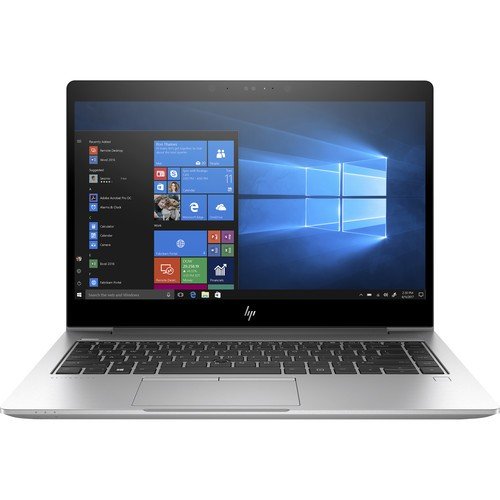
Is the HP EliteBook 840 G5 still worth it? Discover its performance, features, and value in 2025 with our in-depth review.
Introduction
So you stumbled upon the HP EliteBook 840 G5 and thought, “Wait… isn’t that from 2018?” Yep, you’re right. But here’s the kicker — in 2025, this sleek little machine still sparks curiosity. Maybe it’s the sturdy design, maybe it’s the low price tag on the used market, or maybe it’s just nostalgia. Either way, you’re asking the right question: is it still worth buying today?
Let’s break it all down — no fluff, no tech snobbery, just straight-up answers.
HP EliteBook 840 G5 at a Glance
Specs Overview
Let’s get the spec talk out of the way:
Processor: Intel Core i5 or i7 (8th Gen)
RAM: 8GB to 32GB DDR4
Storage: 256GB to 1TB SSD
Graphics: Integrated Intel UHD 620
Display: 14″ Full HD (with optional Sure View privacy screen)
Nothing jaw-dropping here, but solid for business or casual users.
Design and Build Quality
The aluminum chassis screams premium. This ain’t no plasticky budget notebook. It’s sleek, sturdy, and built like a tank. The hinge is firm, the lines are clean, and it feels professional — like a laptop that means business.
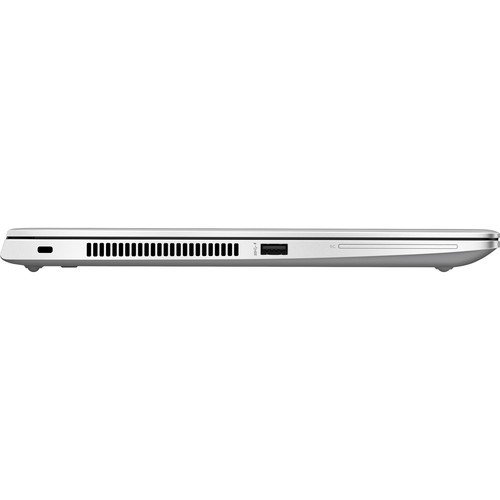
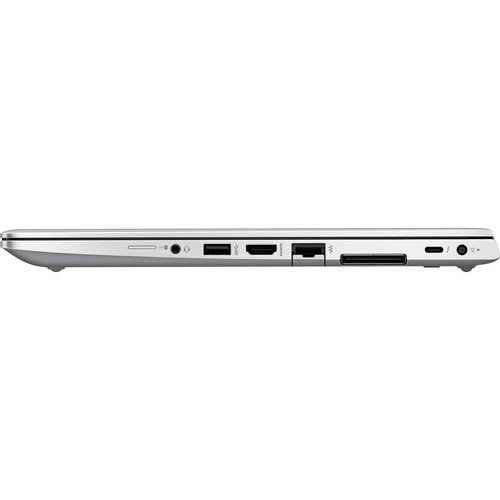
Port Selection and Connectivity
One word: stacked. You get:
USB-C with Thunderbolt
2x USB 3.1 ports
HDMI
RJ-45 Ethernet
Docking connector
Headphone jack
SD card reader
Yeah, that’s more than some 2025 ultrabooks give you. No dongles? Yes, please!
Performance in 2025
Processor Capabilities Today
The 8th Gen Intel Core i5/i7 might be old-school, but it’s not obsolete. For tasks like web browsing, Zoom calls, Microsoft Office, and even some light coding or photo editing — it gets the job done.
RAM and Storage Options
The good news? You can upgrade both RAM and SSD. Pop open the back panel and boom — DIY heaven. Want 16GB or even 32GB RAM? Go for it. Need a 1TB NVMe SSD? Easy swap.
Real-World Use Cases
Is it a gaming rig? Nope. Is it a machine for 4K video editing? Nah. But for 90% of the population doing everyday stuff? Absolutely fine. It cruises through Google Docs, Netflix, YouTube, and even multi-tab browsing without breaking a sweat.
Display and Graphics
Screen Quality
The Full HD IPS panel is sharp and bright enough. Some models have HP Sure View (a privacy filter you can toggle). That’s a neat trick if you’re in coffee shops or airports.
Integrated Graphics in 2025
Intel UHD 620 isn’t winning any races. But it can handle video playback, light photo editing, and casual games like Minecraft or Stardew Valley.
Battery Life and Portability
Battery Performance Then vs. Now
Originally it had around 10-12 hours of juice. Fast-forward to 2025, a used unit might clock 5-6 hours depending on wear. But hey — the battery is replaceable, which is rare these days.
Travel-Friendly Build
Weighing around 3.2 lbs (1.48 kg), it’s easy to slip into a backpack. Commuters and digital nomads, this one’s got your back.
Keyboard and Input Experience
Typing Comfort
Typing on the 840 G5 is butter smooth. The keys are backlit, well-spaced, and have satisfying travel. Writers, coders, students — you’ll love it.
Trackpad and Pointing Stick
The glass touchpad is accurate, and if you’re old-school, there’s even a pointing stick (you know, that little rubber nub).
Webcam and Audio Quality
HD webcam? Check. Dual speakers? Check. Is it podcast-worthy? Not really. But Zoom calls and video chats? No problem.
Security Features
Fingerprint Scanner & IR Camera
Biometric login? Yes, please. The fingerprint sensor is fast, and models with an IR camera work seamlessly with Windows Hello.
HP Sure View and BIOS Protection
The built-in privacy screen (if available) and HP’s BIOS-level security tools make this a strong pick for business users.
Operating System Compatibility
Windows 11 Performance
You’ll be surprised — the 840 G5 can run Windows 11 without a hiccup. TPM 2.0 and Secure Boot are supported. Just make sure your BIOS is up to date.
Linux-Friendly or Not
Linux fans, rejoice! The 840 G5 plays nicely with most distros. Ubuntu, Mint, Fedora — take your pick.
Who Should Still Consider the EliteBook 840 G5?
Students and Remote Workers
It’s cheap, reliable, and has all the ports you need. Perfect for essays, video lectures, and Netflix binges.
Freelancers and Light Business Use
Writers, social media managers, VAs — this laptop has your name on it. No need to shell out $1,000+ for your workflow.
Pros and Cons Summary
What Still Shines
Excellent build quality
Comfortable keyboard
Upgradeable internals
Great port selection
Solid everyday performance
What Feels Outdated
Dated design in 2025
Mediocre integrated graphics
Lower battery life on older units
Verdict
Is the HP EliteBook 840 G5 still worth it in 2025? Heck yes — for the right user. If you’re a casual user, student, or light office warrior, this laptop punches way above its weight. It’s not flashy, but it’s dependable. Think of it like a used Honda — maybe not exciting, but it’ll get you where you need to go without breaking the bank.
Conclusion
In a sea of overhyped, overpriced new laptops, the HP EliteBook 840 G5 quietly holds its ground. It won’t win beauty contests or benchmark wars, but it will help you get stuff done — and save you a bunch of cash doing it. If that sounds good to you, then yep — it’s still 100% worth it.
FAQs
Is the HP EliteBook 840 G5 good for gaming?
Not really. It can handle casual games, but don’t expect AAA titles to run well.
Can it handle Windows 11 smoothly?
Yes! With TPM 2.0 and Secure Boot support, Windows 11 runs without a hitch.
Does it support USB-C charging?
Yes, but only certain models. Check your port specs before buying.
Is it better than newer budget laptops?
In many ways, yes. Especially when it comes to build quality and keyboard experience.
Is the HP EliteBook 840 G5 upgradeable?
Absolutely. RAM and SSD are both upgradeable, which extends its life nicely.