The Importance of Information Management for Small Business

The Importance of Information Management for Small Business

Explore the importance of Information Management for Small Business and discover strategies to streamline operations, enhance decision-making, and drive growth.

Introduction

In today’s fast-paced digital world, small businesses are bombarded with vast amounts of data. Whether it’s customer information, financial records, or inventory data, keeping track of everything can feel overwhelming. This is where information management becomes crucial. But what exactly does it entail, and why is it so vital for small businesses? Let’s dive into the world of information management and uncover how it can help small businesses not just survive, but thrive.

What is Information Management?

At its core, information management is the process of collecting, storing, organizing, and distributing data efficiently within a business. Unlike data management, which focuses solely on handling data, information management considers how that data becomes meaningful information that drives decisions and strategy. It’s about making sense of the numbers and turning them into actionable insights.

The Role of Information Management in Small Businesses

For small businesses, effective information management can be a game-changer. Imagine a cluttered desk—papers stacked high, post-it notes everywhere, and lost invoices. Now imagine a streamlined workspace where everything has its place, and all critical information is just a click away. That’s the power of good information management.

Small businesses can streamline operations, reduce errors, and make faster decisions by ensuring that critical data is easily accessible. It’s not just about keeping track of records; it’s about making data work for the business.

Types of Information Managed by Small Businesses

Small businesses manage various types of information, each playing a vital role in day-to-day operations. Some of the most common include:

Customer Data: Names, contact details, purchase history, and preferences.

Financial Records: Invoices, expenses, and tax documents.

Product and Inventory Information: Stock levels, supplier information, and pricing.

Employee Data: Payroll, personal details, and performance reviews.

Handling this information correctly can lead to better decision-making and a more organized workflow.

Challenges Small Businesses Face Without Proper Information Management

Without proper information management, small businesses are left grappling with several challenges:

Data Overload: With so much data coming in, it’s easy to get overwhelmed.

Inefficiency: Manually sifting through data wastes time and resources.

Poor Decision-Making: Without accurate, up-to-date information, making informed decisions becomes nearly impossible.

Security Vulnerabilities: Sensitive information can be exposed without secure management systems.

These challenges can stifle growth and prevent small businesses from reaching their potential.

Benefits of Effective Information Management for Small Businesses

On the flip side, having a solid information management system offers several advantages:

Improved Efficiency: No more digging through piles of paperwork or old files.

Better Customer Satisfaction: With accurate customer data, businesses can tailor their services to meet client needs.

Enhanced Decision-Making: Having all the information at your fingertips allows for better, quicker decisions.

Competitive Advantage: Efficient information management can set a business apart from competitors still struggling with their data.

How to Develop an Effective Information Management Strategy

Developing a strategy for managing information doesn’t have to be complicated. Here are a few key steps:

Identify Key Information: Understand what data is crucial for your business and focus on organizing that first.

Invest in the Right Tools: Not every business needs a high-end solution, but you do need tools that fit your needs.

Establish Protocols and Procedures: Make sure everyone knows how to handle and store data properly.

Regularly Review and Update: Technology changes fast. Ensure your systems are updated to stay efficient.

The Role of Technology in Information Management

Technology plays an essential role in how small businesses manage their information. Gone are the times of physical filing cabinets. Today, businesses use cloud storage, software solutions, and automation tools to keep everything in order.

Cloud storage allows businesses to store data securely offsite, reducing the risk of physical damage or theft. Automation tools help reduce manual data entry and errors, allowing small businesses to focus on what matters: growth.

Choosing the Right Information Management Tools

Selecting the right tool can be challenging, but here’s what small businesses should consider:

Usability: Is it easy for employees to adopt?

Scalability: Will it grow with your business?

Security: Does it offer sufficient protection for sensitive data?

Some popular information management systems for small businesses include Google Workspace, Zoho, and Microsoft SharePoint. These platforms offer a range of solutions that cater to different business needs.

The Importance of Security in Information Management

One of the biggest threats to small businesses is poor data security. Data breaches can lead to significant financial losses and a damaged reputation. Implementing security best practices, such as encryption, access control, and regular backups, is essential for safeguarding sensitive information.

The Impact of Poor Information Management on Business Growth

Small businesses that fail to manage their information properly face a host of negative consequences:

Missed Opportunities: Data is a valuable asset. Without proper management, businesses can miss out on critical insights that drive growth.

Reduced Customer Trust: Mishandling customer data can erode trust and damage relationships.

Increased Costs: Inefficiency and errors due to poor information management can drive up operational costs.

Training Employees on Information Management

Employees are at the heart of any good information management system. It’s essential to train your staff on best practices, from handling sensitive data to utilizing the company’s information management tools. A well-trained team can help prevent mistakes and keep the system running smoothly.

Common Mistakes Small Businesses Make with Information Management

Some common pitfalls include:

Neglecting Regular Updates: Technology and data are always evolving, and your system should too.

Overcomplicating the Process: Keep it simple to avoid overwhelming employees.

Failing to Use Automation: Automation can save time and reduce errors—don’t overlook its importance.

Future Trends in Information Management for Small Businesses

The future of information management is exciting. Artificial intelligence (AI) and machine learning are becoming more accessible, allowing small businesses to gain insights from data like never before. Predictive analytics can help businesses forecast trends and make better decisions.

Conclusion

Information management is the backbone of any successful small business. By managing data effectively, small businesses can streamline operations, improve customer satisfaction, and make informed decisions. Investing time and resources into creating a robust information management system can lead to long-term success and a competitive edge in the marketplace.

FAQs

Why is information management essential for small businesses?

Information management helps streamline operations, improve decision-making, and maintain data security, all of which are crucial for growth and success.

What are the most common types of information managed in small businesses?

Common types include customer data, financial records, product and inventory details, and employee data.

How does information management improve decision-making?

By organizing and providing easy access to critical data, businesses can make more informed, timely decisions based on accurate information.

Explore About the Top 10 Most Visited AI Tools

Explore About the Top 10 Most Visited AI Tools

Discover the top 10 most visited AI tools, transforming industries with advanced features, creativity, and productivity enhancements.

Introduction

Artificial Intelligence (AI) has revolutionized nearly every industry, from marketing and content creation to customer service and design. With AI’s rapid development, more people are turning to AI tools to boost productivity, enhance creativity, and streamline workflows. The vast selection of AI tools available today can seem overwhelming, so let’s dive into the top 10 most visited AI tools that are helping businesses and individuals achieve incredible results. Ready to explore how AI can reshape the way we work and create?

What Makes an AI Tool Popular?

Several factors contribute to an AI tool’s popularity. Let’s break down why these tools stand out:

User-Friendliness

The best AI tools are designed to be intuitive, allowing users with minimal technical expertise to harness the power of artificial intelligence.

Versatility and Application

Popular AI tools offer solutions that span across industries, catering to content creators, marketers, developers, and beyond.

Accessibility and Pricing

Cost-effective and accessible AI tools tend to attract a larger audience, especially when they offer scalable plans for both individuals and enterprises.

The Rise of AI Tools

AI tools are becoming essential in our computerized age. From automating mundane tasks to enabling complex data analysis, they help users save time and money while maintaining a high standard of output. The adaptability of AI means that it can be used across a variety of fields, creating a surge in AI tool adoption.

1. ChatGPT: The Conversational AI King

ChatGPT has made waves as one of the most visited AI tools due to its versatility. Whether you’re a business needing a chatbot or a writer looking for content inspiration, ChatGPT provides sophisticated conversational abilities.

Key Features of ChatGPT

Natural language processing

Engaging, human-like responses

Customizable for various industries

How ChatGPT Helps Businesses

From handling customer queries to providing marketing copy, ChatGPT saves time and enhances customer experience.

ChatGPT Use Cases

Marketing: Crafting personalized messages for customer engagement.

Customer Service: Automating customer support with AI-driven responses.

Content Creation: Generating blog ideas, headlines, and even full articles.

2. Jasper AI: Revolutionizing Content Creation

Jasper AI is transforming the way we create content, making it faster and more efficient. It can generate blog posts, ad copy, emails, and more with just a few prompts.

Why Jasper AI is a Game-Changer

Its ability to write in different tones and styles while maintaining high-quality output has earned Jasper a massive following.

Use Cases in Blogging, Ads, and More

Content creators and marketers rely on Jasper to brainstorm ideas, write compelling ads, and draft long-form content.

3. DALL·E: The Creative AI for Image Generation

DALL·E, an AI model developed by OpenAI, takes text prompts and transforms them into stunning visuals. This tool is a favorite among designers and artists who need quick, AI-generated images.

Transforming Visual Art and Design

DALL·E has made it easy to create unique visuals without the need for graphic design skills.

Use Cases in Marketing and Design

Businesses use DALL·E to create engaging visuals for ads, websites, and social media campaigns.

4. Copy.ai: Streamlining Writing with AI

Copy.ai is a favorite among content marketers for its ability to generate quick and relevant text for blog posts, social media, and more.

Why Content Creators Love Copy.ai

Its ease of use, combined with time-saving features, makes Copy.ai a go-to tool for anyone who needs written content fast.

Key Features for Efficient Content Creation

Automatic copy generation

Templates for various content types

Quick editing and revision tools

5. Grammarly: AI-Enhanced Writing Assistant

Grammarly is well-known for its advanced AI algorithms that help writers produce error-free content. It not only corrects grammar but also suggests stylistic improvements.

Elevating Writing Quality with AI

From emails to full-length articles, Grammarly further develops meaningfulness, clearness, and tone with AI-driven ideas.

Grammarly’s Features for Writers

Grammar and spell check

Tone and style suggestions

Plagiarism detection

6. MidJourney: AI Art Beyond Imagination

MidJourney is an AI tool that has pushed the boundaries of digital art. Artists are turning to this platform to create artwork that’s both imaginative and original.

Revolutionizing Artistic Creations with AI

MidJourney uses AI algorithms to generate stunning, intricate art that often surprises even the artist themselves.

How Artists Use MidJourney

From abstract art to commercial designs, artists leverage MidJourney’s creative potential to bring unique visions to life.

7. Synthesia: AI-Powered Video Creation

Synthesia has changed the way we create videos. This AI tool allows users to create professional-quality videos in minutes, using AI avatars and voiceovers.

How Synthesia Saves Time in Video Production

By automating video creation, Synthesia enables companies to create training videos, marketing content, and more without expensive production teams.

Real-World Applications for Businesses

Companies use Synthesia for product demos, explainer videos, and employee training, drastically reducing production costs.

8. DeepMind: Pioneering AI Research and Innovation

DeepMind, part of Google’s AI division, is known for its cutting-edge research in artificial intelligence, particularly in fields like healthcare, gaming, and scientific discovery.

DeepMind’s Role in Solving Complex Problems

By using AI to solve problems like protein folding, DeepMind has made breakthroughs that impact medical research and beyond.

Contributions to Healthcare and Technology

DeepMind’s innovations are driving significant advancements in medical diagnoses and AI-powered technologies.

9. Lumen5: AI Video Maker for Marketers

Lumen5 allows marketers to transform blog posts, news articles, and other content into engaging videos, using AI to automate much of the process.

Turning Blogs into Videos with AI

Lumen5 enables users to simply paste a blog URL, and it will generate a video storyboard with text, images, and animations.

Why Marketers Prefer Lumen5

Lumen5’s ability to turn written content into video with little effort is perfect for content marketers aiming to increase engagement.

10. Surfer SEO: Optimizing Content with AI

Surfer SEO takes the guesswork out of SEO by analyzing top-performing pages and suggesting changes to improve rankings.

The Role of AI in SEO Optimization

Surfer uses AI to analyze search results, helping users optimize their content for better visibility.

Key Features for SEO Success

Keyword research

Content optimization

Competitor analysis

How These AI Tools Shape the Future

The AI tools we’ve explored are just the beginning. As AI continues to evolve, we can expect even more sophisticated tools that will further streamline tasks, enhance creativity, and revolutionize industries.

Conclusion

AI tools have become an essential part of both personal and professional lives, enhancing productivity and creativity. From ChatGPT’s natural conversations to Surfer SEO’s content optimization, these top 10 most visited AI tools offer something for everyone. As technology advances, so will these tools, providing even more opportunities to innovate and succeed.

FAQs

What is the most visited AI tools?

ChatGPT is one of the most visited AI tools due to its versatility and wide range of applications.

How do AI tools benefit content creators?

AI tools like Jasper AI and Grammarly help content creators generate ideas, improve writing, and optimize for SEO, saving both time and effort.

Can AI tools completely replace human creativity?

While AI tools can upgrade innovativeness, they can’t totally supplant the special experiences and profound profundity that people bring to inventive ventures.

Are AI tools expensive to use?

Many AI tools offer free versions or scalable pricing, making them accessible to a wide range of users.

What industries benefit most from AI tools?

Industries such as marketing, healthcare, content creation, and technology see the most benefit from AI tools due to their ability to automate processes and analyze data.

Microsoft's New AI-Powered Surface PCs: A Leap in Innovation

Microsoft’s New AI-Powered Surface PCs: A Leap in Innovation

Find Microsoft’s AI-powered Surface PCs with improved execution, customized encounters, and high level security.

The Development of Surface PCs

Surface PCs have progressed significantly since their initiation. From the main Surface tablet delivered in 2012 to the flexible Surface Genius series, Microsoft has persistently pushed the limits of plan and usefulness. Each new model presented novel features, from the separable console to the Surface Pen, improving efficiency and inventiveness.

The Job of AI in Surface PCs

Artificial intelligence is as of now not a modern idea; it’s a substantial reality changing how we interface with technology. With regards to Surface PCs, AI is coordinated to upgrade execution, improve client experience, and give more intelligent arrangements. This joining implies that your Surface PC gains from your utilization designs, making it more effective and customized over the long run.

Key Features of AI-Powered Surface PCs

Upgraded Execution and Speed

One of the most striking advantages of AI in Surface PCs is the huge lift in execution and speed. AI calculations oversee assets all the more successfully, guaranteeing that your PC chugs along as expected in any event, when performing various tasks with requesting applications.

Insightful Battery The board

Battery duration is a pivotal variable for any convenient gadget. AI in Surface PCs astutely oversees power utilization, expanding battery duration by learning your use designs and advancing foundation processes.

High level Security Features

Security is fundamental in the present computerized age. AI-powered Surface PCs come outfitted with cutting edge security features, like facial acknowledgment and biometric validation, guaranteeing that your information is safeguarded against unapproved access.

AI-Driven Client Experience

Customized Figuring Experience

Envision a PC that adjusts to your inclinations and propensities. With AI, Surface PCs offer a customized registering experience, changing settings, suggesting applications, and in any event, foreseeing your necessities before you understand them.

Further developed Openness Features

Availability is enormously upgraded with AI. Features like voice acknowledgment and signal controls make it simpler for clients with inabilities to communicate with their PCs, separating obstructions and encouraging inclusivity.

Voice and Signal Acknowledgment

Voice and signal acknowledgment are not simply cutting edge contrivances; they are functional instruments that upgrade efficiency. Whether you’re directing a record or exploring through applications with a rush of your hand, these features make connecting with your PC more instinctive.

Plan and Fabricate Quality

Smooth and Present day Plan

Microsoft has forever been known for its smooth plans, and the new Surface PCs are no exemption. They gloat a cutting edge tasteful with clean lines and premium materials, making them however snazzy as they seem to be utilitarian.

Sturdiness and Materials Utilized

Sturdiness is one more sign of Surface PCs. Worked with excellent materials, these gadgets are intended to endure daily mileage while maintaining their exquisite look.

Execution and Effectiveness

Benchmark Correlations

With regards to execution, numbers say a lot. Benchmark correlations show that AI-powered Surface PCs outflank numerous contenders, especially in regions like handling velocity and illustrations delivering.

Genuine Execution Situations

True utilization situations further feature the productivity of these gadgets. Whether you’re altering high-goal recordings or running complex reproductions, AI-powered Surface PCs handle undertakings easily, offering a consistent client experience.

Programming and Similarity

Windows 11 Integration

These new Surface PCs accompany Windows 11, the most recent and most progressive working framework from Microsoft. Windows 11 offers a plenty of features intended to upgrade efficiency, innovativeness, and gaming encounters.

Similarity with Well known Programming and Applications

Similarity is never an issue with Surface PCs. They are intended to work flawlessly with an extensive variety of programming and applications, from proficient grade devices to ordinary applications, guaranteeing that clients can proceed with their work without interference.

Imaginative Equipment Features

State of the art Processors

At the core of these gadgets are state of the art processors that convey unrivaled execution. Whether you’re running various applications or taking part in asset concentrated errands, these processors guarantee that your PC remains responsive and productive.

High-Goal Presentations

Visuals are shocking on the new Surface PCs, on account of high-goal shows that offer lively tones and sharp details. This makes them ideal for inventive experts who require exact variety precision.

Predominant Designs Execution

Gamers and visual creators the same will see the value in the unrivaled illustrations execution of these gadgets. With strong GPUs, Surface PCs handle all that from very good quality gaming to 3D delivering effortlessly.

Availability and Conveyability

Availability Choices

Remaining associated is more straightforward than at any other time with the new Surface PCs. They accompany an assortment of network choices, including USB-C, Thunderclap, and Wi-Fi 6, guaranteeing that you can interface your gadgets and peripherals with next to no issue.

Transportability and Battery Duration

Transportability is a critical element of Surface PCs. Regardless of their strong equipment, these gadgets are lightweight and simple to convey. Combined with shrewd battery the board, they offer dependable battery duration, making them ideal for in a hurry use.

Influence on Efficiency

Apparatuses for Experts

Experts will track down a ton to cherish about the new Surface PCs. With apparatuses like Microsoft 365 and improved performing various tasks abilities, these gadgets are intended to help efficiency and smooth out work processes.

Upgrades for Innovative Work

Creatives are not left out all things considered. Features like the Surface Pen, high-goal shows, and strong designs abilities make these PCs ideal for advanced craftsmen, picture takers, and video editors.

Sustainability and Natural Effect

Eco-Accommodating Materials and Cycles

Microsoft is centered around sustainability, and this is clear in the new Surface PCs. They are made using eco-obliging materials and collecting processes, reducing their regular impression.

Microsoft’s Sustainability Objectives

These gadgets line up with Microsoft’s more extensive sustainability objectives, which incorporate lessening fossil fuel byproducts and advancing reusing. By picking a Surface PC, you’re supporting an organization that values ecological obligation.

Market Position and Contest

Rivals On the lookout

The tech market is profoundly aggressive, with various brands competing for the best position. Nonetheless, Microsoft’s AI-powered Surface PCs stand apart because of their inventive features and unrivaled execution.

How Surface PCs Stick Out

What separates Surface PCs is their consistent coordination of AI, which upgrades each part of the client experience. From customized settings to wise asset the executives, these gadgets offer an extraordinary mix of force and comfort.

Conclusion

In rundown, Microsoft’s new AI-powered Surface PCs address a critical leap in innovation. Via consistently coordinating AI, these gadgets offer upgraded execution, customized client encounters, and high level security features. Whether you’re an expert looking for a solid workhorse or an imaginative searching for incredible assets, these Surface PCs bring something to the table. As technology keeps on advancing, Microsoft’s obligation to innovation guarantees that the fate of individualized computing is more brilliant than any time in recent memory.

Read More: Walking Assist Robots: A New Step Forward

Mastering Entrepreneurship from Vision to Reality

Mastering Entrepreneurship from Vision to Reality

Master entrepreneurship with steps to turn vision into reality. Learn strategies for growth, marketing, and overcoming challenges to succeed.

Introduction

In today’s fast-paced world, the term “entrepreneurship” has become a buzzword, but at its core, it represents something profound: the journey of turning an ambitious vision into a tangible reality. Entrepreneurs shape industries, create jobs, and bring groundbreaking ideas to life, influencing the way we live and work. But how does one actually turn a business dream into a thriving reality? Let’s break down the journey of mastering entrepreneurship, from a spark of an idea to a fully-fledged business.

Understanding the Entrepreneurial Mindset

Defining Entrepreneurship

Entrepreneurship goes beyond simply starting a business; it’s about identifying and acting upon opportunities to create value in unique ways. Unlike a traditional business owner who might follow established paths, an entrepreneur often ventures into uncharted waters, navigating uncertainties with an open mind.

Traits of Successful Entrepreneurs

What makes an entrepreneur tick? Success often comes down to mindset and certain key traits:

Risk-Taking: Entrepreneurs embrace uncertainty and make bold decisions. Without risk, innovation rarely thrives.

Resilience: Disappointments are unavoidable, yet effective entrepreneurs view them as learning open doors as opposed to mishaps.

Adaptability: In a constantly changing market, flexibility is essential. Being open to change keeps businesses relevant.

Visionary Thinking: Above all, entrepreneurs are driven by a compelling vision—a purpose that fuels their actions.

From Idea to Vision

Recognizing a Valuable Idea

Inspiration for business ideas can come from various sources—observing market trends, identifying problems, or even personal passions. The key is to find an idea that fills a genuine gap, something people need but may not yet realize.

Developing a Clear Vision

An idea is just the beginning. To transform it into something meaningful, an entrepreneur must define a clear, impactful vision. This vision shouldn’t just framework what you mean to accomplish yet in addition why. Aligning your vision with your values strengthens your business foundation and creates a compelling story for customers and investors alike.

Crafting a Business Plan that Works

Why a Business Plan Matters

A very much created marketable strategy is the guide to entrepreneurial achievement. Not only does it clarify your strategy, but it also shows investors and stakeholders that you’re serious about your goals. A business plan offers guidance and keeps you aligned with your vision as you navigate challenges and scale.

Key Components of a Business Plan

A comprehensive business plan includes:

Mission, Vision, and Objectives: Articulate your goals and how you intend to achieve them.

Market Research: Understand your audience and analyze your competition.

Financial Planning: Outline revenue streams, budget allocations, and long-term projections.

Building a Strong Business Foundation

Structuring Your Business

Choosing the right legal structure, such as an LLC or corporation, provides essential legal protections and defines the responsibilities within your business. Take the time to understand the implications of each option to pick the best fit for your vision.

Financing Your Venture

Finances are the backbone of any business. Whether it’s self-funding, securing a loan, or finding investors, you’ll need a reliable funding strategy. If seeking investors, present your business plan with confidence, emphasizing both potential growth and stability.

Effective Marketing Strategies for Entrepreneurs

Branding Your Business

Your brand identity is more than a logo; it’s your business’s personality. Craft a message that resonates with your target audience and conveys what makes you unique. This identity builds customer trust and fosters brand loyalty.

Digital Marketing Essentials

In today’s world, online presence is everything. Leveraging social media can widen your reach, while content marketing and SEO boost your visibility in search engines. A consistent, engaging online presence helps you connect with customers and establish authority in your field.

Overcoming Challenges in Entrepreneurship

Managing Risks and Setbacks

Challenges are part of the entrepreneurial journey. Whether facing financial struggles, market competition, or unexpected obstacles, resilience is key. Keep a positive outlook, learn from failures, and adapt as needed.

Avoiding Burnout

As an entrepreneur, you’re the backbone of your business—but burnout can hold you back. Prioritize self-care, maintain a work-life balance, and remind yourself why you embarked on this journey.

The Power of Networking and Collaboration

Building Meaningful Connections

Networking is a powerful tool in entrepreneurship. By connecting with other professionals, you gain access to resources, advice, and opportunities that can fuel growth.

Finding a Mentor

A mentor can guide you through the complexities of business, sharing wisdom from their own experiences. The right mentor offers valuable insights, constructive criticism, and motivation.

Scaling Your Business Successfully

Knowing When to Scale

Growth is exciting, but premature scaling can strain your resources. Recognize the signs—consistent profit, strong demand, and operational efficiency—that indicate when your business is ready to expand.

Scaling Strategies

Expanding could involve launching new products, exploring new markets, or improving operational efficiency. Make data-driven decisions and ensure that your expansion aligns with your overall vision.

Celebrating Wins and Reflecting on Progress

Recognizing Milestones

Commend each accomplishment, whether it’s launching a product or hitting revenue targets. These milestones fuel motivation and remind you of the progress you’ve made.

Adjusting Your Vision for Future Growth

Your vision may evolve as your business grows. Periodically revisit your goals, refine your strategies, and plan for sustainable, long-term impact.

Conclusion

Mastering entrepreneurship is a dynamic, multifaceted journey. From identifying an idea to creating a vision, building a business, and scaling for growth, every step is both challenging and rewarding. For those prepared to take the jump, the journey is worth every ounce of effort. Embrace the process, learn from each step, and turn your vision into a reality.

FAQs

What is the first step to take in becoming an entrepreneur?

Start by identifying a need or problem you’re passionate about solving. Develop an idea and outline a vision that aligns with your values.

Can entrepreneurship be learned, or is it innate?

While some traits are natural, many skills can be learned through experience, mentorship, and continuous learning.

What are the best ways to find inspiration for a business idea?

Pay attention to everyday problems, explore emerging trends, and listen to feedback. Inspiration often comes from observing the needs around you.

How important is mentorship in achieving entrepreneurial success?

Mentorship provides guidance, resources, and support, making it invaluable for navigating challenges and making informed decisions.

Read More: Future Medical Gadgets 2025: Innovations Ahead

Meet the Palm-Sized Quadruped Robot

Meet the Palm-Sized Quadruped Robot

Discover palm-sized quadruped robots: tiny, agile, and packed with tech. Learn about their design, applications, and future potential.

Introduction

In the ever-evolving world of robotics, we’ve seen some pretty remarkable advances. From giant machines that help in industries to miniaturized versions that are transforming our daily lives, technology continues to amaze. One of the most exciting developments in recent times is the creation of palm-sized quadruped robots. These little creatures, no bigger than your hand, are revolutionizing the way we think about robotics and artificial intelligence. But what exactly makes these robots so special? Let’s take a closer look!

What is a Palm-Sized Quadruped Robot?

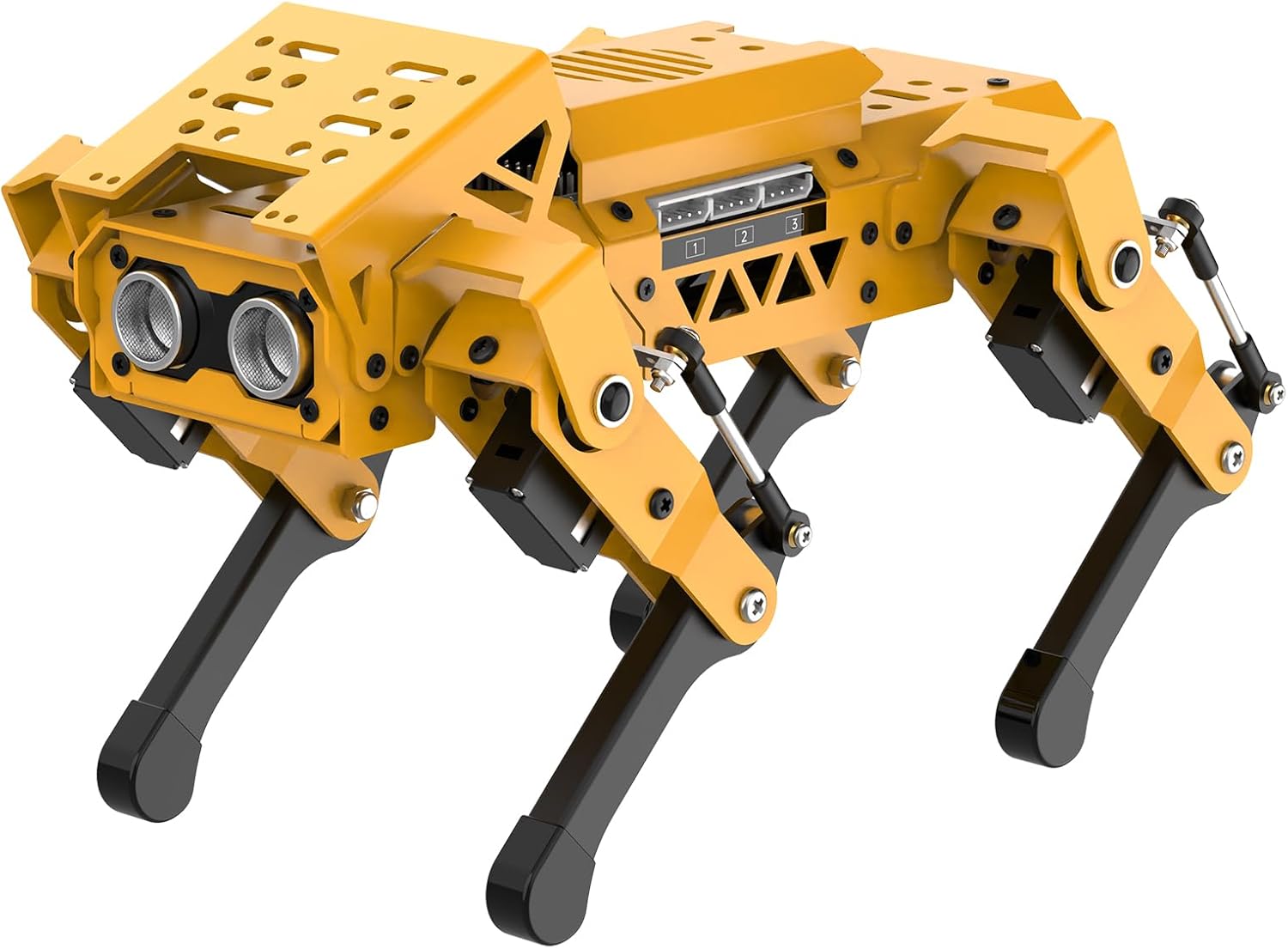
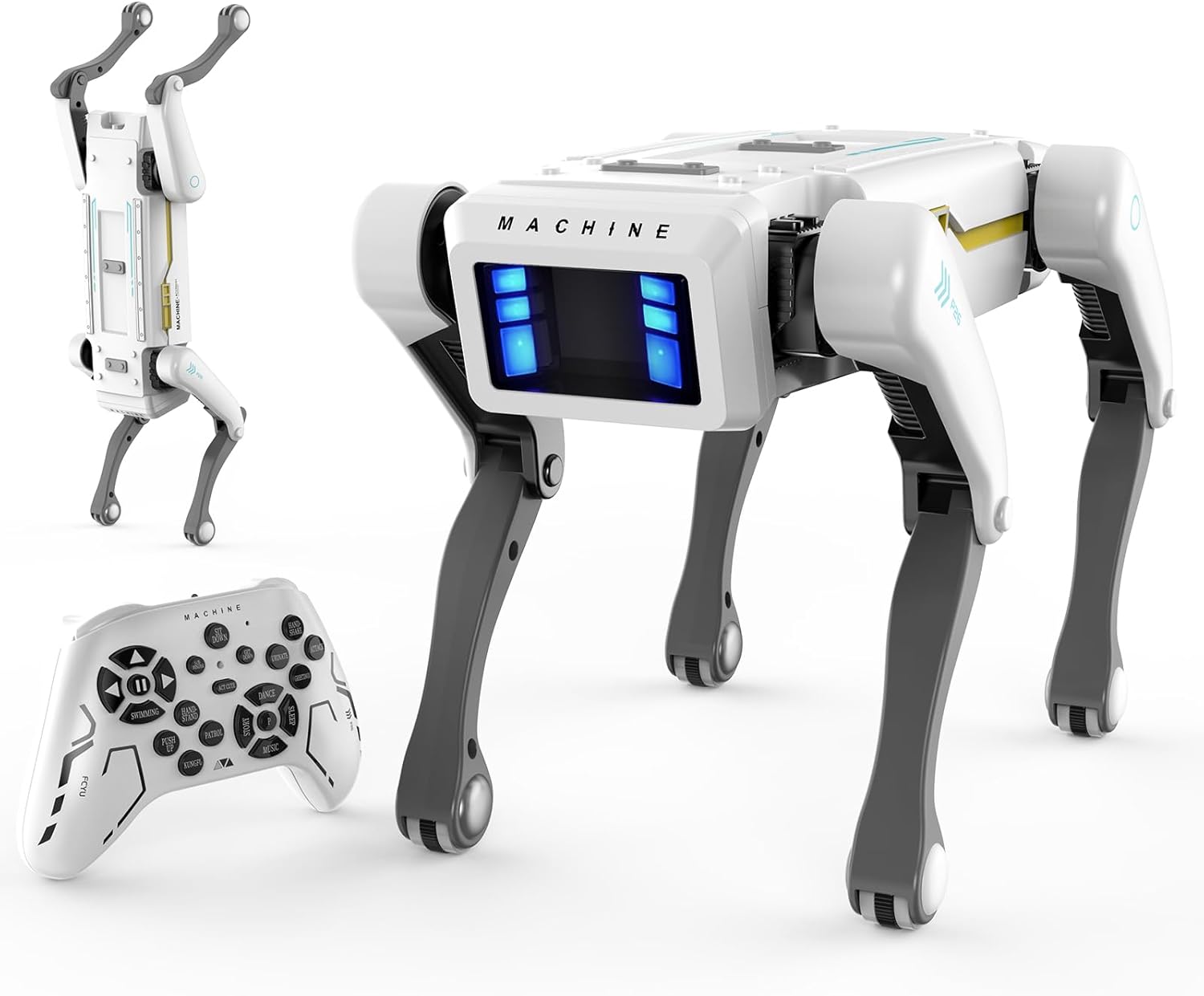
A palm-sized quadruped robot, as the name suggests, is a small robotic creature that moves on four legs, mimicking the movements of animals like dogs or cats. Unlike larger robots, which often require significant space and specialized equipment, these tiny robots fit comfortably in the palm of your hand. Their compact size doesn’t limit their functionality, though – they can perform complex movements and tasks, all while maintaining the agility and balance of their larger counterparts.

The biggest difference between these miniature robots and their full-sized versions is the level of miniaturization. They need to be lightweight but sturdy, with the ability to move fluidly and carry out simple or complex tasks with precision.

The Evolution of Quadruped Robots

The journey of quadruped robots began with large, cumbersome machines built for specific tasks, like navigating rough terrain or assisting in complex operations. Early examples, like Boston Dynamics’ BigDog, were massive, powerful, and built for heavy-duty applications. But as technology advanced, engineers sought to make robots smaller, more agile, and adaptable to a wider range of environments.

With improvements in miniaturized electronics, sensors, and power systems, engineers were able to scale down these robots into pocket-sized versions without sacrificing functionality. Today, palm-sized quadruped robots are not just a curiosity, but a practical innovation that serves multiple purposes.

Why Palm-Sized Robots Are a Big Deal

You might wonder, “Why go smaller?” The benefits of miniaturizing robots are endless. A palm-sized robot can be used in places where larger machines can’t go—like tight spaces or indoors. Its small size also makes it more affordable, portable, and accessible for educational purposes, entertainment, and even research. The practical uses of these robots range from helping with tasks in the home to performing vital operations in areas that are too dangerous for humans, like disaster zones.

These robots can access areas that would typically require human intervention or larger machines. They’re also less intrusive, and because of their size, they can be more easily integrated into everyday environments, making them valuable for future technological ecosystems.

Design and Mechanics of a Palm-Sized Quadruped Robot

When it comes to the design of palm-sized quadruped robots, size isn’t the only thing that matters. The mechanics of how these robots move are critical. Using a combination of lightweight materials and precise construction, engineers have developed robots that can mimic the natural movement of four-legged creatures. With tiny actuators and motors, the robots move their limbs in a fluid, coordinated manner. They can walk, run, and even jump!

The materials used in building these robots are lightweight but incredibly durable. Advanced polymers and composites allow for flexibility without compromising on strength. Even though they’re small, these robots need to be tough enough to handle obstacles and challenges in their environments.

Key Features of Palm-Sized Quadruped Robots

Size and Weight Considerations: The small stature of these robots makes them easy to transport and store. Weighing only a few hundred grams, they’re not just compact—they’re built for precision movement.

Mobility and Agility: These robots are surprisingly nimble, capable of performing complex movements like turning on a dime or even navigating stairs. Their four-legged design makes them more stable than wheeled robots.

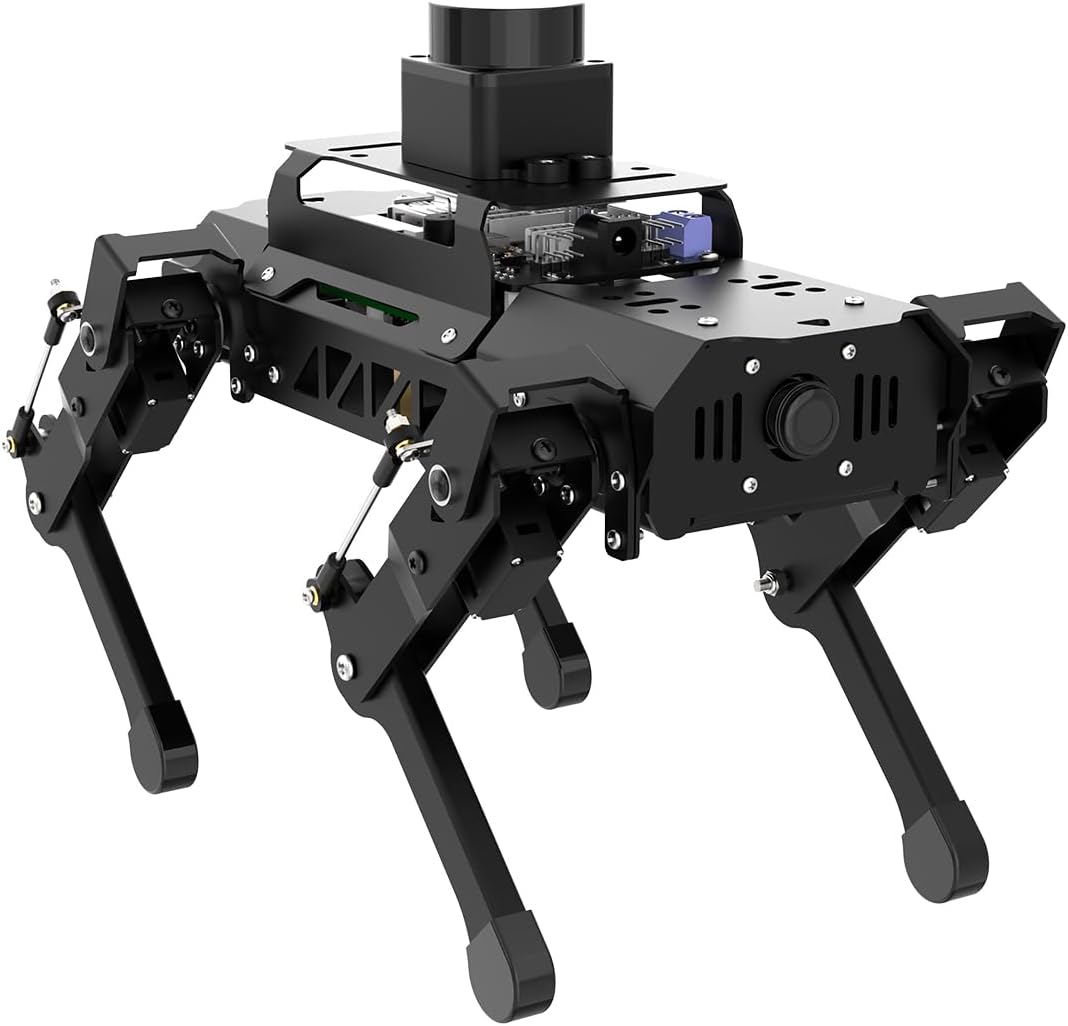
Sensors and Cameras: Equipped with small sensors and cameras, these robots can understand their surroundings and interact with the environment. Some models even feature cameras for facial recognition or obstacle detection.

Applications of Palm-Sized Quadruped Robots

Palm-sized quadruped robots are not just for fun; they have real-world applications across various fields.

Entertainment and Education: These robots make fantastic tools for teaching robotics in schools. They can be programmed to perform tasks, teach basic AI concepts, and even entertain kids as they interact with them in imaginative ways.

Search and Rescue: Their small size makes them ideal for search-and-rescue operations in confined spaces, like collapsed buildings or rubble piles, where larger robots might struggle to get through.

Medical Uses: They’re also being used in medical fields, where they can assist with monitoring or even help patients with mobility problems by carrying small loads or aiding in physical rehabilitation.

Environmental Monitoring: Their compact form allows them to go places where human presence is restricted, such as remote or hazardous areas, gathering data for environmental research.

The Technology Behind Palm-Sized Quadruped Robots

Let’s dive into the tech that powers these tiny robots. Most palm-sized quadruped robots use tiny motors and actuators to move their legs. These motors are powered by compact batteries that allow for a few hours of operation at a time. Advanced algorithms and control systems enable the robot to stay balanced and move smoothly, even on uneven surfaces.

The key challenge here is power. These robots are equipped with small batteries, and ensuring they last long enough for practical use requires a lot of engineering finesse. Also, sensors, like gyroscopes and cameras, help these robots “see” and navigate their surroundings.

Challenges in Developing Palm-Sized Robots

Creating a palm-sized robot isn’t without its challenges. One of the biggest hurdles is providing enough power for the robot to operate efficiently. These tiny robots need lightweight batteries that can still deliver adequate energy for the motors and sensors to function. Balancing the size and weight of the robot with the need for high-performance electronics is a constant design challenge.

Stability is another issue. As these robots are smaller and lighter than their larger counterparts, maintaining balance while moving or jumping can be tricky. Developers must fine-tune the robot’s movement algorithms to ensure smooth and stable motion.

How Palm-Sized Robots Are Shaping the Future

As technology progresses, palm-sized robots are becoming more common in various sectors. Their small size, combined with their advanced capabilities, is opening new doors for robotics in industries like healthcare, education, and disaster response. In the future, these robots could be used for even more complex tasks, and as AI improves, their ability to interact with humans will only get better.

Popular Examples of Palm-Sized Quadruped Robots

Some of the most popular palm-sized quadruped robots include models like the “Robotis Mini” and “Anymal C.” These robots are often used in educational settings and are highly programmable. They serve as great examples of how small robots can pack a punch in terms of technology, usability, and performance.

How Can Palm-Sized Quadruped Robots Improve Human Lives?

Beyond their fun and entertainment value, palm-sized robots have the potential to assist with everyday tasks. Imagine a world where these robots help carry groceries, monitor elderly parents, or even assist in household chores. Their small size makes them ideal companions in scenarios where humans can’t always be present.

The Future of Palm-Sized Robots

The future of palm-sized quadruped robots looks promising. We can expect to see them becoming more integrated into smart homes, urban planning, and healthcare. With AI technology advancing rapidly, these robots will become more autonomous, capable of performing tasks without much human input.

Conclusion

Palm-sized quadruped robots are changing the way we think about robotics. Their small size, coupled with powerful features, allows them to perform tasks in ways we couldn’t have imagined just a few years ago. As technology continues to advance, we can only expect these tiny robots to become more capable and influential in shaping the future.

FAQs

What is the maximum load a palm-sized quadruped robot can carry?

 Most palm-sized robots are designed to carry small objects or sensors, typically under 1kg. They’re not made for heavy lifting but are perfect for delicate tasks.

How are these robots controlled?

 Palm-sized robots are typically controlled via wireless connections, like Bluetooth or Wi-Fi. They can be programmed using specialized software and control systems.

What materials are typically used to build palm-sized robots?

 These robots are usually made from lightweight materials like plastic, carbon fiber, and aluminum alloys, ensuring durability without adding unnecessary weight.

Can palm-sized quadruped robots be used for outdoor activities?

 Yes, many palm-sized robots are designed for outdoor use, equipped with weather-resistant coatings and sensors that help them navigate rough terrain.

What’s the battery life of a palm-sized quadruped robot?

 The battery life of these robots varies depending on the model and usage, but typically, they can run for about 30 minutes to a few hours on a single charge.

Review Your Cart
0
Add Coupon Code
Subtotal

 
Product has been added to your cart