
Nothing OS Basic The Complete Beginner Guide

Nothing OS Basic The Complete Beginner Guide

Discover Nothing OS basic in a friendly guide covering setup, Glyph tips, battery, privacy, and pro tricks for a clean, fast Android experience.

What Is Nothing OS

A Clean Android Skin With Personality

Nothing OS is a lightweight Android experience with a distinctive monochrome look and playful dot-matrix design cues. Underneath, it’s standard Android—so your favorite apps work the way you expect—yet the interface adds thoughtful touches, snappy animations, and signature visual elements like the Glyph lights on supported devices.

Why People Love It

Simplicity. Nothing OS trims unnecessary bloat while adding useful toggles, tidy widgets, and consistent typography. It feels modern, coherent, and fast right out of the box.

Who Nothing OS Is For

First-Time Android Users

If you’re switching from another platform or grabbing your first smartphone, Nothing OS keeps things intuitive. The defaults are sensible, the home screen is uncluttered, and the setup is forgiving.

Power Users Who Want Control Without Clutter

Prefer to fine-tune? You’ll find granular notification channels, easy tile customization, and gesture options—without digging through endless menus.

Design Philosophy At A Glance

Monochrome Aesthetics And Dot-Matrix Vibes

Icons, widgets, and typography lean monochrome by default. The result is easy on the eyes and keeps your attention on content, not chrome.

Smooth, Minimal Animations

Transitions are slick yet subtle. The phone feels responsive because animations are tuned to get out of your way quickly.

Versions And Compatibility Basics

Android Under The Hood

Nothing OS rides on top of Android. That means familiar controls (Notifications, Quick Settings, App Drawer) and compatibility with the Google Play ecosystem.

Regular Feature Drops And Security Updates

Expect periodic updates that deliver polish, bug fixes, and security patches. When an update is available, install it early—it often improves battery life and stability.

First-Time Setup Walkthrough

Transfer Your Data

During onboarding, choose to copy your apps and data from your old device. Use a cable when possible—it’s faster and more reliable than Wi-Fi.

Sign In And Sync Essentials

Sign in to your Google account to sync contacts, calendar, and Drive. If you use password managers, install them early so your logins fill automatically.

Update The System Before You Explore

Open Settings → System → Software update and pull the latest build. Reboot, then you’re ready to customize.

Home Screen And Launcher Essentials

Customize Grids, Folders, And Icon Style

Long-press the home screen to tweak grid size and icon layout. A denser grid fits more information, while a looser grid looks cleaner. Keep frequently used apps on the bottom row for easy thumb reach.

Widget Stacks And At-a-Glance Info

Add weather, battery, or calendar widgets. Stack related widgets (for example, tasks with calendar) to save space. Minimalist monochrome widgets blend perfectly with the Nothing look.

App Drawer And Search Shortcuts

Swipe up for the app drawer. Use the search bar up top to jump straight into apps, settings, or even in-app actions like “compose” in your email client.

Mastering Quick Settings And Status Bar

Tiles You Should Pin

Pin essentials first: Wi-Fi, Mobile data, Bluetooth, Flashlight, Hotspot, Auto-rotate, Battery Saver, Do Not Disturb, and Screen Recording. If your model supports a Glyph tile, keep it handy for fast control.

Editing, Reordering, And One-Hand Reach

Tap the pencil or “Edit” button in Quick Settings to reorder tiles. Put your most used toggles in the first two rows—you shouldn’t need to scroll for the basics.

Notifications That Actually Help

Channel Controls And Priority

Open Settings → Notifications and dive into per-app channels. Promote critical channels (bank alerts, rides, deliveries) to Alerting and demote noisy ones (marketing blasts) to Silent.

Silent Vs Alerting And Batching

Use Silent for info you’ll read later. Turn on notification summaries where supported so updates batch instead of buzzing constantly. Your brain will thank you.

Glyph Interface Basics

What The Glyph Lights Do

On supported Nothing phones, the rear LEDs pulse for calls, messages, timers, and charging. They work like a smart pager you can glance at without unlocking.

Essential Notifications And Timers

Enable Essential notifications so a chosen app or contact triggers a distinctive, unmissable pattern. Set Glyph timer to countdown on the back—perfect for cooking or workouts.

Customize Ringtones And Patterns

In Settings → Glyph Interface, assign unique light patterns and sounds to specific contacts or apps. The combo of light + tone helps you know who’s calling from across the room.

Camera And Media Tips

Modes You’ll Use Daily

Stick to Photo, Portrait, and Night modes for most shots. Use Pro/Manual when you want shutter and ISO control. Keep HDR on auto unless highlights are blowing out.

Using Glyph As A Fill Light

When shooting close subjects in dim scenes, enable Glyph fill light if available. It gives a soft, even glow compared to a harsh flash—great for food, objects, and faces at arm’s length.

Battery Life And Performance

Adaptive Battery And Charging Care

Turn on Adaptive Battery to learn your patterns and stretch screen-on time. If you often charge overnight, consider charging optimization features that pause at a safe level and top up before you wake.

Background Limits And App Hibernation

For apps that misbehave, open Settings → Battery → Background usage and restrict them. Unused apps can be hibernated automatically to save juice.

When To Use Performance Mode

Heavy gaming or video exporting? A temporary Performance mode can keep things smooth. Turn it off afterward to avoid unnecessary drain.

Privacy And Security

Permission Manager Basics

Head to Settings → Privacy → Permission manager. Review Location, Camera, Microphone, Files access. Switch most to Allow only while using or Ask every time.

Lock Screen And Biometrics

Set up fingerprint and face unlock for quick access, plus a strong PIN. On the lock screen, hide sensitive notification content to keep messages private on your desk.

Private Space And Screen Pinning

Use screen pinning before handing your phone to someone so they can’t leave a single app. For truly sensitive material, store it in a private folder or protected vault app.

Productivity Boosters

Clipboard, Smart Text Selection, And Share Sheets

Android’s smart selection recognizes addresses, dates, and phone numbers. Long-press to copy, then use the Share menu to jump into maps, calendar, or dialer in one tap.

Split Screen And One-Hand Mode

Split screen is perfect for notes + browser or maps + messages. If your display is tall, enable one-hand mode to pull content within reach.

Gestures That Save Time

Turn on swipe up for Home, swipe and hold for multitasking, and swipe from edges for Back. Add a double-tap power gesture for camera or wallet if your model supports it.

Audio And Wearables

Pairing With Nothing Ear Devices

Open Bluetooth, put your earbuds in pairing mode, and connect. You’ll get fast pairing prompts and battery readouts. Keep media controls enabled so volume keys behave consistently.

Nothing X App Quick Tour

Use the companion app to tune ANC, transparency, EQ, and gesture controls. Save a calm profile for podcasts and a punchier one for workouts.

Connectivity And Casting

Hotspot, Tethering, And Nearby Sharing

Create a personal hotspot with a strong password. For quick file swaps, use Nearby Share to beam photos and documents to nearby Android, ChromeOS, or supported desktop setups.

Casting To TV And Laptop

Cast your screen to compatible TVs or receivers from Quick Settings. For meetings, wireless display mirroring cuts cables and works well for slides and walkthroughs.

Gaming Mode Essentials

Block Interruptions Without Missing Critical Alerts

Gaming mode mutes distractions, locks brightness, and filters calls. Allow exceptions for rides, deliveries, or VIP contacts so you don’t miss time-sensitive pings.

Performance, Touch, And Brightness Tweaks

Tune touch sensitivity and disable accidental gestures on edges. If the room is bright, bump manual brightness—consistent visibility beats auto dimming mid-match.

Read More: Genie 3 The AI Technology Changing Virtual Worlds Forever

Genie 3 The AI Technology Changing Virtual Worlds Forever

Genie 3 The AI Technology Changing Virtual Worlds Forever

Genie 3 by DeepMind creates real-time interactive 3D worlds from text — how it works, real uses, limits, and what creators should expect.

Introduction

Imagine typing a single sentence and instantly stepping into a living, responsive 3D world that follows your commands. You could change the weather, add a creature, or transform the landscape with just a few words. This is exactly what Genie 3 promises — DeepMind’s latest “world model” that generates real-time, interactive 3D environments directly from text prompts. Unlike simple AI video clips, Genie 3 creates persistent, explorable worlds that respond to your actions, making it a groundbreaking leap toward AI-driven virtual spaces.

What is Genie 3

Genie 3 is an advanced AI system designed to generate interactive, playable 3D worlds based solely on natural language input. This means you can describe a scene, and Genie 3 will not only create it but also keep it consistent over time. Characters remain where you place them, weather changes on demand, and objects behave logically within the scene. It’s a significant step forward from previous AI models, which often struggled to maintain scene continuity beyond a few seconds.

How Genie 3 Works

World Models Explained

At the heart of Genie 3 is the concept of a world model. This is essentially a learned system that predicts what should happen next in a scene. Instead of relying on strict rules coded by developers, Genie 3 has been trained on vast amounts of visual and spatial data to understand how worlds evolve naturally. The model uses these learned patterns to generate scenes that feel believable, dynamic, and alive.

Neural Rendering and Memory

One of Genie 3’s most important advancements is its ability to remember the state of a world over time. Traditional AI-generated videos quickly lose coherence, but Genie 3 uses a form of neural memory to keep track of object positions, lighting changes, and interactions. This memory isn’t stored in a database; it’s a learned continuity that allows a scene to remain stable for extended periods.

Prompt Handling and Statefulness

Genie 3 is built to respond dynamically to new prompts without restarting the scene. If you start with a sunny beach and later request a rainstorm, the world will shift seamlessly while preserving everything else you’ve built. This makes Genie 3 feel less like a static generator and more like a living environment you can manipulate in real time.

atomization technology

Key Capabilities

Real-Time Interactive Environments

Unlike previous AI tools that output short, fixed videos, Genie 3 offers real-time interactivity. Users can explore the generated world, move the camera, and interact with objects and characters. This transforms the experience from passive viewing into active engagement.

Persistence and Scene Memory

One of the most impressive features is scene persistence. Genie 3 can maintain a consistent environment for several minutes, making it ideal for storytelling, simulations, or rapid prototyping of game levels. This is a huge leap compared to earlier systems that could only keep a coherent scene for a few seconds.

Promptable World Events

With Genie 3, you can add or modify elements mid-session. You might start in a peaceful meadow, then summon a castle in the distance or fill the sky with fireworks. The system adapts instantly, integrating the new elements into the ongoing world without breaking immersion.

Visual Fidelity and Framerate

While Genie 3 currently runs at about 720p and 24 frames per second, the output is smooth enough for immersive exploration. The visuals may not yet match high-end game engines, but the trade-off for real-time generative creation is well worth it.

Limitations and Known Issues

Physics, Hallucinations, and Artifacts

As advanced as Genie 3 is, it’s not perfect. Sometimes objects may behave in unrealistic ways, like floating or clipping through surfaces. Characters may display odd proportions or movements, and visual artifacts can appear during long sessions. These are natural growing pains for a technology that is still in its early stages.

Scope and Agent Complexity Limits

Currently, Genie 3 excels at creating landscapes, stylized environments, and simple interactions. However, highly complex multi-character scenarios or fine object manipulations can still reveal its limitations. This makes it more of a creative tool for experimentation than a polished production system.

Safety, Ethics, and Responsible Use

Misinformation and Deepfake Risk

Any technology capable of generating realistic environments can be misused. There’s a risk of creating fabricated scenes that could spread misinformation or be used for unethical purposes. As a result, responsible usage policies and safeguards are essential.

Bias, Misuse, and Access Control

Because Genie 3 learns from large datasets, it can unintentionally replicate biases present in its training data. This is why developers must ensure that safety checks and filters are in place. For now, access to Genie 3 is limited to researchers and selected creators to study both its potential and its risks.

Practical Applications

Game Design and Indie Developers

For game developers, Genie 3 offers the ability to rapidly prototype levels without manual asset creation. Developers can simply describe a setting and see it instantly come to life, making iteration faster and more creative.

VR/AR and Immersive Media

In the VR and AR space, Genie 3 could revolutionize the way environments are created. Instead of painstakingly modeling every detail, creators could quickly build immersive worlds with minimal effort.

Robotics and Embodied Agent Research

Genie 3’s persistent, interactive worlds are ideal for training AI agents in simulated environments. This could accelerate research in robotics, where agents need to learn navigation, object handling, and decision-making.

Film, Previsualization, and Concept Art

Directors and artists can use Genie 3 to rapidly experiment with scene layouts, lighting conditions, and camera angles. This makes it an invaluable pre-production tool for visual storytelling.

Education and Simulation

From creating historical reenactments to simulating complex scenarios like emergency response training, Genie 3 opens new possibilities for interactive education.

atomization technology

How Genie 3 Compares to Game Engines and Other AI

While game engines like Unreal or Unity offer more precision and control, they require significant manual work. Genie 3 trades some of that precision for speed and creative flexibility, allowing you to generate playable concepts instantly. Compared to static AI video generators, Genie 3 stands out with its interactivity and scene persistence.

What Creators and Developers Need to Know

Genie 3 works best when prompts are clear and descriptive. The more detail you provide, the better the generated world will match your vision. However, you should treat outputs as prototypes rather than final products, combining them with traditional tools when moving toward production.

Early Tester Insights

Early testers have found Genie 3 to be a powerful brainstorming tool. Its ability to rapidly create and adjust worlds makes it perfect for exploring creative ideas. Still, testers caution that it’s important to document your prompts and settings, as the model’s outputs can vary with subtle changes in input.

The Road Ahead — Where Genie 3 Could Lead

Future versions of Genie could bring higher-resolution outputs, longer-lasting worlds, and even multiplayer experiences where multiple users interact in the same AI-generated space. Integration with existing game engines could bridge the gap between rapid generation and production-quality assets. However, these advancements will require careful consideration of ethical and safety concerns.

Conclusion

Genie 3 marks a significant step toward AI-powered interactive worlds. By combining real-time generation with persistent environments, it offers a glimpse into a future where creating virtual spaces could be as easy as typing a sentence. While the technology still has limitations, its potential for gaming, research, education, and creative industries is enormous. The challenge now is to develop it responsibly so that its benefits can be enjoyed without misuse.

FAQs

Q1 — What can I create with Genie 3 right now?

Currently, Genie 3 is ideal for building concept environments, stylized scenes, and interactive demos for testing ideas.

Q2 — Is Genie 3 available to the public?

Access is currently limited to researchers and select creators while the technology is still being refined.

Q3 — How is Genie 3 different from game engines like Unreal?

While Unreal requires manual asset creation, Genie 3 can instantly generate worlds from text prompts, though with less precision.

Q4 — Can Genie 3 handle realistic human interactions?

Not yet. It can generate characters, but complex social behavior and precise movement remain challenging.

Q5 — What’s the future of Genie 3?

Future versions could feature higher resolution, longer persistence, and integration with game engines for more advanced uses.

Read More: iOS 18.6 Update Brings Powerful Features and Fixes

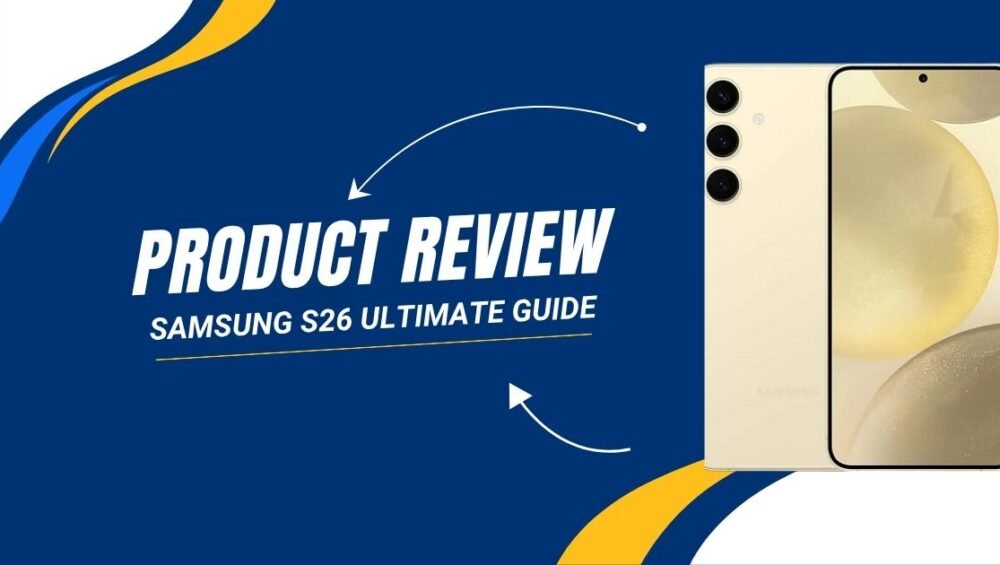
Samsung S26

Samsung S26 Ultimate Guide

Samsung S26 guide — rumors, specs, camera upgrades, battery life and buying advice for the upcoming Galaxy flagship.

Quick TL;DR — What to expect from the Samsung S26

If you’re scanning headlines: the Samsung S26 series is shaping up to be an iterative but meaningful upgrade — better cameras (we’re seeing serious 200MP chatter for the Ultra), possible chipset boosts, smarter NFC/payment hardware, thinner bezels, and modest battery/charging improvements. Most of this is still rumor territory, but the picture is starting to form.

Release window and pricing expectations

When might Samsung unveil the S26

Samsung has stuck to a Q1 cadence for its S series for years, and the S26 looks set to follow that pattern — expect announcements in early 2026 (January/February window is frequently mentioned by reputable outlets covering leaks and industry timing). Keep in mind these are industry-informed expectations rather than official dates.

Price outlook and regional nuance

If Samsung keeps its pricing ladder intact, the S26 base model will likely remain flagship-priced, with the Ultra commanding a premium for the top camera and display tech. Prices will vary by region and storage option; carriers and local taxes often shift the on-the-ground cost more than Samsung’s MSRP alone.

Design and build

Slimmer bezels and possible redesign

Leaks and fan renders indicate Samsung is continuing the slimming trend — think even narrower bezels and subtle camera housing tweaks. Some leaks point to a redesign on the Ultra that makes the camera array look cleaner and more unified with Samsung’s other devices. These are early renders and rumors, but the design story so far is “evolution rather than revolution.”

S26 vs S25: visual changes to watch

Imagine the S25 as last year’s suit — sharp and familiar. The S26 might be the same suit with a tailored waistline and new buttons: same premium vibe but tighter bezels, slightly different camera islands, and possibly a thinner profile on the Ultra models.

Display: size, tech and under-display talk

Refresh rate, resolution and peak brightness

Expect flagship panel numbers to continue: high refresh (likely 120Hz adaptive), AMOLED with top-tier HDR brightness and tiny bezels. The Ultra will probably keep the larger diagonal (around 6.8–6.9 inches on rumors for the Ultra) and the Plus/Pro models will sit slightly smaller.

Under-display camera possibilities

Samsung and other manufacturers have been experimenting with under-display cameras. Some prototype chatter suggests Samsung could test or refine under-display selfie tech on S26 prototypes, though mainstream rollout depends on whether image quality reaches Samsung’s bar for a flagship. Rumors like these are exciting, but follow-up testing and official word will be the true decider.

Cameras: the headline upgrades

Main sensor rumors (200MP talk)

One of the loudest rumors around the S26 Ultra is a potential jump to a 200MP main sensor — possibly Sony-made — which would be a significant pixel bump and could improve detail and low-light performance if paired with better optics and computational processing. This is the sort of spec that drives headlines, but remember: bigger megapixels don’t automatically mean better photos — sensor size, optics, and processing matter hugely.

Telephoto and low-light improvements

Leaks also point to telephoto upgrades (for example, tweaks to periscope lenses and aperture improvements to help zoom low-light shots). Think of it like upgrading from binoculars to a small telescope — same idea, clearer zoom. These camera changes aim to make the S26 Ultra a more versatile shooter across wide, ultrawide, and zoomed shots.

Video and selfie upgrades

Beyond raw megapixels, expect Samsung to tune video capture (stabilization, low-light video, and maybe smarter HDR processing). On the selfie side, under-display camera tests could give a clean screen look if Samsung solves image quality tradeoffs.

Performance: chipset, RAM and real-world speed

Snapdragon vs Exynos split

Samsung traditionally uses Qualcomm chips in many markets and Exynos in others. Early rumor compilations suggest the S26 lineup could use Snapdragon’s next-gen flagship (names thrown around include Snapdragon 8 Elite 2 variants) and a refreshed Exynos option in some regions — both aimed at better AI, imaging, and efficiency. Expect 12GB RAM tiers on the Ultra and high-end storage options up to 1TB for power users.

RAM / Storage tiers and what they mean

If you’re a casual user, 8–12GB RAM with 256GB storage is more than enough. Creators and power users who shoot lots of 4K/8K video or hoard apps may want the 512GB–1TB options. Faster UFS storage and more RAM translate into snappier multitasking and faster media handling.

Battery and charging

Capacity upgrades and battery tech

Rumors vary, but the Ultra is expected to keep a large battery (5,000 mAh is commonly reported in early spec roundups), with possible efficiency gains from newer chips and software. For slimmer models, Samsung is apparently trying to balance thin design with decent capacity.

Wired and wireless charging speeds

Faster wired charging is rumored in some leaks, with numbers like 45W–65W bandied about. Wireless charging will likely remain competitive with 15W+ speeds and improved wireless power management. In short: charge times should improve, but the true experience depends on adapter support and battery chemistry.

Connectivity and extras

NFC improvements for payments

A practical and potentially game-changing rumor is that Samsung may add a second NFC antenna (one near the top as well as the typical camera-area antenna) to improve contactless payments and make tap-to-pay smoother and more reliable. That’s the kind of small hardware tweak that reduces daily frustration — less fiddling at the checkout, more seamless wallet action.

Wi-Fi, Bluetooth and other connectivity bits

Expect modern connectivity standards: Wi-Fi 6E or Wi-Fi 7 (depending on model), latest Bluetooth versions, and ubiquitous 5G. Samsung often bundles software extras like Samsung Wallet and ecosystem features that tie together Galaxy watches, tablets, and laptops.

Software: One UI, AI and update promises

One UI keeps evolving, and Samsung has leaned into AI features — smarter camera modes, on-device transcription, and background AI tasks. Samsung’s update commitments have improved in recent years (multi-year Android upgrades and security updates), so the S26 will likely ship with the latest One UI and a multi-year update roadmap that matters if you want a phone that stays current.

Which S26 model should you buy

S26 (base): For most users who want flagship polish without the Ultra price tag.

S26+ / Pro: If you want a bigger screen and battery but not the absolute top camera.

S26 Ultra: For camera junkies, creators, and power users who want the biggest sensor, most RAM, and 1TB options.

Think of the lineup as tiers of the same orchestra: same music, different instruments. Pick the one that sounds best for your wallet and use case.

Who should upgrade now and who should wait

If you have an S24 or S25 and your phone is doing well — battery holding up, camera acceptable — you might sit this year out unless the rumored S26 camera or NFC fixes are a must-have. If you’re on older hardware (S21 or earlier) or your device struggles with performance or battery life, the S26 could be a worthy jump.

Final verdict — is the S26 worth it

From the leaks and rumors so far, the S26 looks like a strong iterative evolution: smarter hardware touches, camera ambition (200MP rumor), and better day-to-day features like NFC improvements. If you value camera versatility, long software support, and Samsung’s ecosystem, the S26 is shaping up to be an attractive flagship — but confirmation from Samsung will determine the true value.

Conclusion

The Samsung S26 series seems poised to refine the Galaxy flagship formula rather than reinvent it. If the leaks hold up, we’ll see meaningful camera upgrades, subtle design polish, stronger payment hardware, and the usual flagship performance improvements. For buyers, the decision will come down to whether those camera and hardware refinements are enough to justify an upgrade. Keep your eyes on official Samsung announcements early next year — until then, treat these specs as promising previews rather than final promises.

Read More: Xiaomi HyperOS 3 Elevates Speed and Smart Living

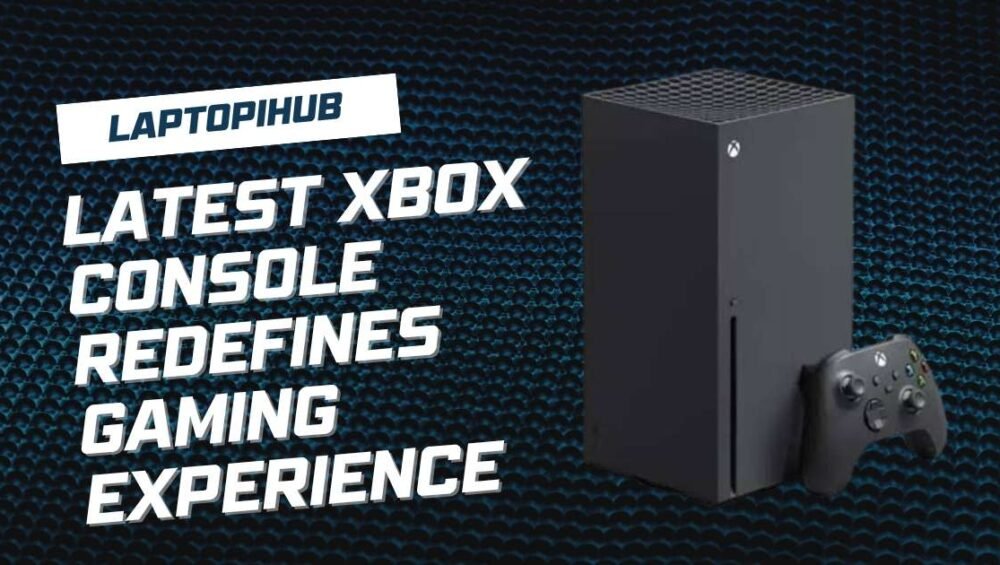
Latest Xbox Console Redefines Gaming Experience

Latest Xbox Console Redefines Gaming Experience

Explore the latest Xbox with powerful graphics, next-gen features, and unbeatable value in gaming.

Introduction to the Latest Xbox

A New Era of Console Gaming

If you’re a gamer, you know that feeling when a new console drops — the hype, the curiosity, the FOMO. The latest Xbox is more than just another console; it’s Microsoft’s bold leap into the future of gaming. Whether you’re a casual player or a hardcore enthusiast, this console has something that’ll blow your mind.

Quick Recap of Xbox History

Let’s rewind a bit. The original Xbox arrived in 2001, and since then, we’ve seen the 360, the Xbox One, and now the Xbox Series X and S. Each generation brought bigger, better, and bolder features — and this latest release is no exception.

Xbox Series X and Series S Overview

Key Differences Between Series X and Series S

Think of the Series X as the powerful beast and the Series S as the slim sibling. The Series X comes with a disc drive, 1TB SSD, and true 4K capabilities. The Series S, on the other hand, is digital-only, with 512GB SSD and a lower price tag — but still a performance champ.

Performance Upgrades

Both consoles boast lightning-fast load times, buttery-smooth frame rates, and powerful architecture. Games load quicker, run smoother, and look more stunning than ever.

Next-Level Performance and Hardware

CPU and GPU Power

The Xbox Series X flexes with an 8-core AMD Zen 2 CPU and a 12-teraflop RDNA 2 GPU. That’s tech-speak for “Wow, this thing is fast.” The Series S also packs a punch with a slightly trimmed-down version of the same tech.

SSD Speed and Load Time Breakthroughs

Say goodbye to loading screens. With the custom NVMe SSD, games boot in seconds, and fast travel means just that — fast. The Quick Resume feature even lets you switch between multiple games instantly.

Cooling System Enhancements

All that power needs to stay cool. Microsoft engineered a whisper-quiet fan system that keeps everything running smoothly — no more overheated laps during long sessions.

Stunning Graphics and Visuals

4K and 8K Gaming Capabilities

Ready for ultra-high definition? The Series X supports 4K at 60fps (up to 120fps in some titles) and is future-ready for 8K gaming. Your TV is about to become your favorite window to another world.

Ray Tracing and Realism

Ray tracing adds dynamic lighting, shadows, and reflections. In simpler terms: games look eerily lifelike. It’s like stepping inside a movie — except you’re controlling the action.

Game Library and Backward Compatibility

Access to Classic Xbox Titles

Nostalgic for Halo 3 or Fable? The latest Xbox supports thousands of older games across four generations. Relive the glory days without dusting off your old consoles.

Xbox Game Pass Integration

Think of Xbox Game Pass as Netflix for gamers. With hundreds of games, including day-one releases, you get more for less. It’s honestly a game-changer (pun intended).

Exclusive Game Titles to Watch

Halo Infinite, Fable reboot, and Starfield — just to name a few. Microsoft is doubling down on exclusives to give players reasons to stick with Xbox.

Controller and Accessory Innovation

Xbox Wireless Controller Improvements

The new controller feels familiar but better. Improved ergonomics, textured grips, and a dedicated Share button make gaming more immersive and social.

Accessibility and Adaptive Features

Xbox continues to lead in inclusivity with adaptive controllers and customizable settings. Everyone gets to play — and play comfortably.

Online Features and Xbox Network

Xbox Live vs Xbox Network

Xbox Live Gold is evolving into Xbox Network, offering better cloud features, multiplayer, and digital services. It’s a smoother, smarter ecosystem.

Multiplayer Enhancements

Online multiplayer is faster, more stable, and less toxic. Features like in-game reporting and better matchmaking are welcome additions.

Game Streaming and Cloud Gaming

Thanks to Xbox Cloud Gaming (part of Game Pass Ultimate), you can play your Xbox games on your phone, tablet, or PC. It’s like taking your console anywhere you go.

Smart Delivery and Cross-Platform Play

Seamless Transition for Players

Buy a game once, and play the best version of it — no matter which Xbox you own. That’s Smart Delivery. It’s fair, it’s seamless, and it just makes sense.

Playing Across Devices

Whether you’re on console, PC, or cloud — Xbox keeps you connected. Your saves, achievements, and progress travel with you.

Design and Build Quality

Aesthetics of Series X and S

Series X is a sleek black monolith, while the Series S is compact and minimalist in white. Both are modern enough to blend into your setup and stylish enough to show off.

Practical Form and Function

Design isn’t just about looks. Vertical or horizontal setup? Both work. The airflow is smartly designed, and the port layout is user-friendly.

Pricing and Availability

Regional Price Comparisons

The Series X retails around $499, while the Series S is a budget-friendly $299. Prices vary slightly by region, but they’re competitive globally.

Where to Buy the Latest Xbox

Retailers like Microsoft Store, Amazon, Best Buy, and Walmart offer both models. But beware — demand is high, and stock often sells out fast.

Competing with PlayStation and Others

Xbox vs PlayStation 5

This is the battle of the decade. While PS5 has strong exclusives, Xbox counters with Game Pass, better value, and backward compatibility.

Future Competition Outlook

Expect stiffer competition as cloud gaming expands and more players enter the scene — but Xbox has momentum and a solid game plan.

What’s Next for Xbox?

Rumors and Leaks

Whispers of a handheld Xbox, new Game Pass tiers, and even VR support are floating around. Nothing confirmed — but exciting times ahead.

Roadmap and Upcoming Features

Microsoft’s roadmap includes tighter PC integration, global game streaming, and AI-powered gameplay assistance. The future looks bright.

User Reviews and Real-World Experience

What Gamers Are Saying

Fans love the speed, performance, and Game Pass value. Minor complaints about storage space exist, but overall, it’s a hit.

Critic Ratings and Feedback

Reviewers praise it for its power, backward compatibility, and affordability — calling it the best Xbox ever.

Should You Upgrade?

Who Should Get the New Xbox?

If you’re still using Xbox One, the jump in performance is massive. New to gaming? The Series S is a great, affordable entry point.

Final Verdict on Value

You’re getting serious tech for your buck. Whether for casual fun or competitive play, the new Xbox delivers on all fronts.

Conclusion

The latest Xbox isn’t just another console; it’s a reimagining of what home gaming can be. From raw power to a gamer-friendly ecosystem, Microsoft has hit the sweet spot — again. Whether you’re a diehard fan or a newbie, this is the Xbox worth investing in.

FAQs

Q1: Is the Xbox Series X worth it over the Series S?

Yes, if you want 4K gaming, a disc drive, and more storage. The Series S is still great for budget-conscious gamers.

Q2: Can I play my old Xbox One games on the new console?

Absolutely. Xbox supports backward compatibility with thousands of titles from earlier generations.

Q3: What is Quick Resume on Xbox?

It’s a feature that lets you switch between multiple games without losing your progress — instantly.

Q4: How does Game Pass Ultimate differ from regular Game Pass?

Game Pass Ultimate includes console, PC, and cloud access, plus Xbox Live Gold for multiplayer.

Q5: Is the new Xbox good for kids and families?

Yes! With Family Settings, Game Pass for all ages, and great co-op games, it’s perfect for households.

Read More: Unlock the Power of Google Pixel 10 Pro

Xiaomi HyperOS 3

Xiaomi HyperOS 3 Elevates Speed and Smart Living

Explore Xiaomi HyperOS 3 with AI power, faster speed, smart features & better battery life. Learn why it’s a game-changer for Xiaomi users.

Introduction to Xiaomi HyperOS 3

What is HyperOS?

HyperOS is Xiaomi’s brand-new, self-developed operating system designed to unify its smartphones, tablets, smart TVs, wearables, and even cars. It’s not just another Android skin—it’s a fully evolved platform that brings the ecosystem together under one digital roof.

Why Xiaomi Built HyperOS

Xiaomi needed a powerful, flexible, and cross-device system to match its growing line of products. Android alone couldn’t cut it. That’s where HyperOS steps in, offering native integration and performance enhancements across the board.

Evolution from MIUI to HyperOS

MIUI had a great run, but it started to feel bloated. HyperOS 3 is lighter, faster, and designed from the ground up for modern hardware and real-time AI processing.

Key Features of HyperOS 3

Blazing Fast Performance

Say goodbye to lag. HyperOS 3 is built to be lightweight and agile, reducing latency and keeping animations buttery smooth.

Seamless Cross-Device Integration

Own a Xiaomi smartphone, smart TV, and a wearable? They now work together effortlessly—answer calls on your TV, control your lights from your phone, and get notifications on your watch.

Smart AI Capabilities

HyperOS 3 uses AI like a digital brain, learning your usage habits to deliver suggestions, improve performance, and even anticipate your next move.

Enhanced Privacy and Security

It’s not just fast—it’s safe. Xiaomi beefed up HyperOS with secure on-device data processing and better app permission control.

Performance Upgrades in HyperOS 3

Reduced System Overhead

HyperOS 3 uses significantly less system resources than MIUI, leaving more room for apps and games.

Improved RAM Management

With better background process control, your device keeps running like a dream even with multiple apps open.

Faster App Launch Speeds

Apps open in a blink, thanks to preloading optimizations and smarter storage usage.

HyperConnect – The IoT Backbone

One Ecosystem, Many Devices

From your air purifier to your electric scooter, Xiaomi’s HyperConnect allows all your devices to speak the same language.

Effortless Sync Between Xiaomi Devices

Your clipboard, media, and even calls can be shared in real-time between devices with near-zero delay.

Visual Overhaul in HyperOS 3

Clean, Minimal UI Design

HyperOS 3’s new design language is sleek, with rounded icons, pastel color palettes, and modern animations.

Dynamic Widgets and Customization

Widgets aren’t just pretty—they’re smart. Resize, interact, and create stacks for a more tailored experience.

Always-On Display Enhancements

Custom AOD options now include animated clocks, music controls, and personal photos.

AI-Powered User Experience

Smart Assistant Improvements

XiaoAI has had a glow-up. It now speaks more naturally, understands context better, and can execute complex commands.

AI Suggestion Engine

Get suggestions for apps, actions, or settings based on your patterns. It’s like having a digital butler.

AI-Powered Camera Tweaks

From scene detection to facial enhancements, your camera now makes intelligent decisions to help you capture the perfect shot.

HyperOS 3 and Gaming Performance

GPU Turbo Engine

Game more, lag less. HyperOS 3 ramps up GPU performance dynamically to give you that extra edge.

Frame Stabilization Technology

Say goodbye to stutters with real-time frame optimization to keep your gameplay smooth and immersive.

Battery Optimization and Efficiency

Adaptive Battery Modes

HyperOS 3 adapts to your daily schedule and switches to power-saving mode when needed.

Background App Control

Inactive apps are hibernated, extending battery life without sacrificing multitasking.

Enhanced Security in HyperOS 3

New Permission Manager

Want fine control over your apps? Now you can monitor microphone, camera, and location access in real-time.

On-Device Privacy Processing

Sensitive data like biometric scans are processed entirely on-device—nothing goes to the cloud.

HyperOS 3 Supported Devices

Xiaomi Flagship Models

Devices like the Xiaomi 14 series, Mix Fold, and Pad 6 Pro come preloaded with HyperOS 3.

Redmi and POCO Compatibility

Select Redmi Note and POCO models will receive the update in phases.

Xiaomi HyperOS 3 vs MIUI

UI Differences

HyperOS 3 feels fresher, more fluid, and less cluttered than its predecessor.

System Efficiency Comparison

Boot-up times, RAM usage, and app loading are significantly improved across the board.

User Feedback and Adoption

Early adopters love the responsive feel and smarter UI—many call it the best Xiaomi OS ever.

Customization and Themes

Dynamic Color Palettes

Inspired by Material You, themes now adapt to your wallpaper colors for a personal touch.

Icon Packs and Layout Flexibility

Go wild with layout changes, third-party icon packs, and even grid tweaks.

HyperOS 3 for Developers

Developer Tools and SDKs

HyperOS comes with improved tools and APIs for those building apps, especially for IoT and wearables.

Better App Optimization Support

Developers can fine-tune performance using Xiaomi’s detailed diagnostic data and testing tools.

Real User Experience and Reviews

What Are Users Saying?

Users are reporting faster multitasking, longer battery life, and more intuitive controls.

Pros and Cons from Early Testers

Pros:

  • Smooth transitions
  • Fast updates
  • Cohesive ecosystem feel

Cons:

  • Still some bugs in third-party app compatibility
  • Limited rollout in certain regions

Conclusion

Xiaomi HyperOS 3 isn’t just a software update—it’s a complete reimagination of the digital lifestyle. Whether you’re a tech geek, a casual user, or someone deep into the Xiaomi ecosystem, this OS offers a smoother, smarter, and more integrated experience than anything before. The best part? It’s just getting started. HyperOS 3 sets the stage for Xiaomi’s connected future—and you’re invited.

FAQs

1. What is the biggest difference between MIUI and HyperOS 3?

HyperOS 3 is more lightweight, AI-powered, and designed for better device integration compared to MIUI.

2. Is HyperOS 3 based on Android?

Yes, it still uses Android as the base but adds Xiaomi’s custom optimizations and cross-device features.

3. Will my old Xiaomi phone get HyperOS 3?

Some older devices might not be eligible. The rollout prioritizes newer models like Xiaomi 14 and Redmi Note 13 series.

4. Does HyperOS 3 support third-party launchers?

Yes, and with even more compatibility than before. You can customize to your heart’s content.

5. Is HyperOS 3 available globally?

It’s rolling out in phases. China gets it first, followed by global markets—keep an eye on Xiaomi’s announcements!

Read More: Quantum Computing Made Simple: A Beginner’s Guide

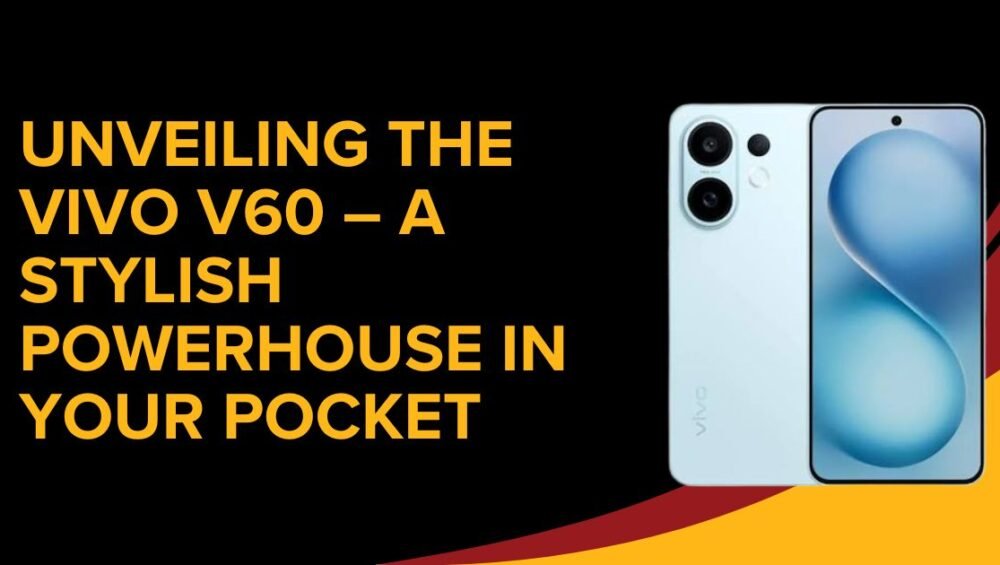
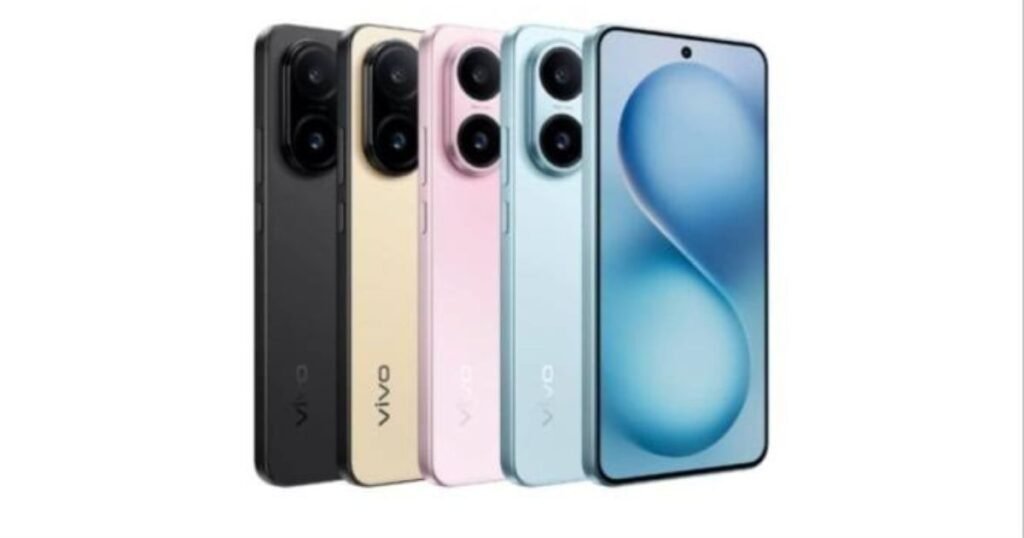
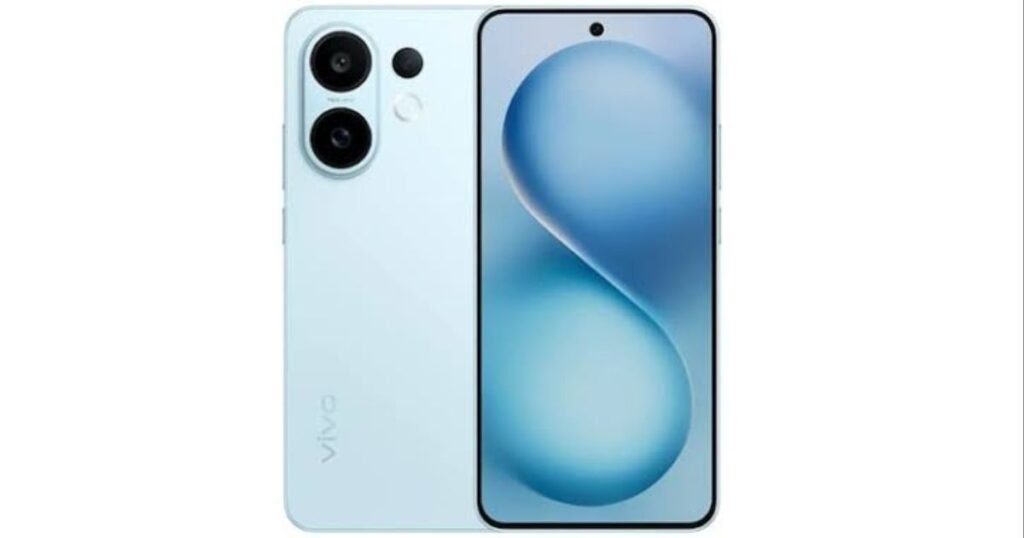
Unveiling the Vivo V60 – A Stylish Powerhouse in Your Pocket

Vivo V60 offers premium design, powerful performance, and stunning cameras in one sleek package. Discover everything you need to know!

Introduction to the Vivo V60

The Buzz Around Vivo’s New Release

If you’ve been following smartphone trends, you’ll know Vivo has been killing it lately. The Vivo V60 is no exception—it’s making waves with its futuristic design, loaded specs, and user-friendly vibe.

Who is the Vivo V60 For?

Whether you’re a photography nut, a casual gamer, or just someone who wants a phone that won’t lag during a Zoom call, the V60 has you covered.

Sleek and Stunning Design

Premium Feel in Hand

The Vivo V60 screams premium. With a glass back and metallic frame, it doesn’t just feel good—it feels luxurious.

Color Variants that Turn Heads

Vivo knows how to impress. From classic black to a dreamy iridescent blue, the color options are designed to turn heads.

Durability Meets Aesthetics

Looks aren’t everything, right? Good thing the V60 is tough, too. It comes with Gorilla Glass protection and IP54 water/dust resistance.

Display That Delights

AMOLED Brilliance

The 6.7-inch AMOLED display is pure eye candy. Deep blacks, vibrant colors, and sharp details—it’s a treat for your eyes.

Smooth Scrolling with High Refresh Rate

Scrolling through Instagram or switching between apps? The 120Hz refresh rate makes everything buttery smooth.

Eye Protection Features Built-In

Worried about screen time? The V60’s blue light filter and adaptive brightness have your back.

Camera Setup – A Photographer’s Dream

Rear Camera System: More Than Just Megapixels

The V60 packs a 50MP main sensor, an ultra-wide lens, and a macro camera. It’s not just about numbers—it’s about stunning results.

Front Camera Magic for Selfie Lovers

The 32MP front shooter gives you studio-level selfies. Need we say more?

AI-Powered Photography: Smart Shots Every Time

From night mode to portrait perfection, AI ensures every shot is click-worthy, even if you’re not a pro.

Performance You Can Count On

Processor Power – Fast and Fluid

Under the hood, you’ll find a Snapdragon 7 Gen 3 (or similar mid-to-high-end chipset depending on region). Translation? Speedy performance with zero hiccups.

RAM and Storage Options

Choose from 8GB/12GB RAM and 128GB/256GB storage—plenty of room for all your apps, pics, and cat videos.

Gaming and Multitasking Experience

Thanks to the Vapor Chamber cooling system and optimized GPU, even heavy gaming feels like a breeze.

Software and User Experience

Funtouch OS Highlights

Running on Android 14 with Funtouch OS, the UI is clean, colorful, and user-friendly.

Personalization and Themes

Change your icons, fonts, animations—you name it. The V60 makes your phone feel like your phone.

Bloatware or Bliss?

Some minor bloatware, yes—but easily removable. Nothing that ruins the fun.

Battery Life That Goes the Distance

All-Day Usage on a Single Charge

With a 5000mAh battery, the V60 easily lasts a full day—even with heavy use.

Fast Charging Capabilities

Need a quick juice-up? 80W fast charging gets you from 0 to 50% in under 30 minutes. Impressive, right?

Battery Health and Longevity Features

Smart charging tech prevents overcharging, which helps keep your battery healthy over the long run.

Connectivity and Extra Perks

5G Support – Ready for the Future

With dual-mode 5G, the V60 is future-proof and blazing fast.

In-Display Fingerprint Sensor

The optical fingerprint reader is fast, accurate, and tucked neatly under the screen.

Audio, Speakers, and More

Dual stereo speakers and Hi-Res audio certification give you a mini-theater in your pocket.

Comparison with Previous Models

How It Stands Out from the Vivo V50/V55

Compared to its predecessors, the V60 boasts:

  • Bigger battery
  • Better cameras
  • Enhanced cooling system
  • Higher refresh rate display

What’s New and Improved?

Add to that the updated chipset and sleeker design, and it’s clear this phone is a leap forward.

Price and Availability

Official Pricing

Depending on your region, the price hovers around $399–$499 USD. Not bad for what you’re getting!

Where to Buy – Online & Offline

It’s available on Amazon, Vivo’s official store, and retail outlets near you.

Offers, Discounts, and Pre-Order Bonuses

Look out for free earbuds or extended warranty during launch promotions!

Customer Reviews and Feedback

Early Impressions

Users are loving the camera quality and design the most.

What Users Love Most

  • Battery life
  • Display quality
  • Fast performance

Minor Complaints and Suggestions

Some wish for wireless charging, and a few note slight heating under heavy gaming.

Vivo V60: Is It Worth It?

Who Should Buy This Phone?

If you want a balance of looks, power, and affordability—the V60 is your match.

Alternatives in the Same Price Range

Consider:

  • Samsung Galaxy A55
  • OnePlus Nord 3
  • Xiaomi 13 Lite

Future Updates and Vivo’s Roadmap

Software Promises

Vivo promises 2 years of major updates and 3 years of security patches—a welcome move!

Upcoming Features or Accessories?

There are rumors of a new wireless charging case and customized camera filters—keep an eye out!

Tips to Maximize Your Vivo V60

Must-Have Accessories

  • Screen protector
  • Clear case (show off that design!)
  • Fast-charging power bank

Battery Saving Tips

  • Use dark mode
  • Lower refresh rate when not gaming
  • Turn off background apps

Best Camera Settings for Epic Photos

  • Use Pro Mode for better control
  • HDR On in daylight
  • Night mode for low-light magic

Final Verdict

The Vivo V60 blends beauty, brains, and battery in a package that punches above its weight. Whether you’re snapping photos, binge-watching Netflix, or juggling work and play—it won’t let you down. Stylish, powerful, and priced just right, this phone’s got all the makings of a fan favorite.

FAQs

1. Does the Vivo V60 support wireless charging?

No, it doesn’t support wireless charging out of the box.

2. Is the Vivo V60 waterproof?

It has IP54 splash resistance, but it’s not fully waterproof.

3. Can I expand storage with a microSD card?

Unfortunately, there’s no microSD slot—choose your internal storage wisely!

4. Is there a headphone jack?

Nope! You’ll need Bluetooth or a USB-C adapter.

5. Will the Vivo V60 get Android 15?

Yes, Vivo has promised at least 2 major Android updates.

Read More: iOS 18.6 Update Brings Powerful Features and Fixes

iOS 18.6 Update Brings Powerful Features and Fixes

iOS 18.6 Update Brings Powerful Features and Fixes

Explore what’s new in iOS 18.6 – fresh features, fixes, and performance boosts you can’t ignore!

Introduction to iOS 18.6

So, Apple just dropped iOS 18.6, and if you’re wondering what the hype is all about, you’re in for a treat. Whether you’re a tech geek or just an everyday iPhone user, this update brings a little something for everyone.

Why the Buzz Around iOS 18.6?

Apple has a way of stirring excitement with every update, but iOS 18.6 is more than just a maintenance release. It blends subtle feature tweaks, solid performance upgrades, and long-awaited bug fixes into one neat package.

Release Date and Compatibility

The update rolled out in early August 2025 and is available for all iPhones starting from iPhone X and newer. So yes, your trusted iPhone 11 is still part of the club.

What’s New in iOS 18.6?

Let’s dive into the goodies this update brings to the table.

Enhanced Battery Management

Battery life has always been a hot topic, and Apple took notes. iOS 18.6 includes a new smart charge limiter that learns your habits better and avoids overcharging during extended plug-ins—perfect if you’re charging overnight.

Smarter Siri Suggestions

Siri just got a bit more intuitive. You’ll notice more context-aware suggestions like recommended replies based on your messages or quick actions during calendar events.

Privacy Upgrades You’ll Love

Privacy is Apple’s forte, and 18.6 sharpens it even further. Apps now need explicit permission to access clipboard content, and there’s better tracking transparency for ad networks.

Visual Refresh in Settings App

Not a drastic redesign, but the Settings app now feels cleaner with better grouping and subtle design tweaks. Think of it like rearranging your room—it just makes more sense.

Performance Enhancements

While flashy features are great, it’s the under-the-hood improvements that make your iPhone feel brand new.

Faster App Launch Times

Apps open noticeably quicker, especially third-party ones. Apple claims up to 15% faster load times, and honestly, it feels legit.

Improved RAM Management

Multitaskers, rejoice. Switching between apps feels smoother, even on devices with just 4GB of RAM. Less stutter, more butter.

Better Heat Dissipation Controls

Gamers and power users will love this: Apple has fine-tuned the thermal controls. Your phone won’t feel like a frying pan during long gaming sessions or video calls.

Bug Fixes in iOS 18.6

What’s an update without squashing some bugs?

iMessage Sync Glitches Solved

Previously, messages wouldn’t sync properly between iPhone and Mac. That annoying lag is gone now. Text flow feels seamless again.

Screen Flickering Resolved on Older Devices

If your iPhone 12 or earlier had weird screen flickers, this update fixes it. Users have reported a solid display experience post-update.

Fixes for Lock Screen Widget Errors

Some widgets weren’t updating or were stuck—no more. The lock screen feels alive and functional again.

Hidden Features Worth Exploring

iOS always sneaks in goodies that aren’t shouted from the rooftops.

Secret Accessibility Tweaks

There are new voiceover options and haptic feedback improvements. Great for users who rely on these features daily.

Hidden Developer Settings Access

Developers, heads up: if you use Xcode, you’ll see deeper debugging settings and a smoother simulator interface when connected to iOS 18.6.

How to Install iOS 18.6 Safely

Don’t just hit update without preparing.

Backup First, Always!

Seriously, always back up your device—whether to iCloud or your computer. Better safe than sorry if things go sideways.

OTA vs iTunes Update – What to Choose?

Over-the-air is fast and easy, but iTunes or Finder updates offer a more stable installation, especially if you’re jumping multiple versions.

Real-World User Reactions

Let’s talk feedback from the folks who matter—real users.

Battery Life Reports from Users

Most users are reporting longer battery life, especially on newer devices. iPhone 15 Pro users say they’ve gained almost 1.5 hours of screen time.

Performance on iPhone 11 vs iPhone 15

While iPhone 15 flies, even iPhone 11 feels refreshed. Animations are snappier, and app performance is stable.

Community Feedback – Love It or Leave It?

Reddit, Twitter, and tech forums are full of praise. Minor complaints exist, but most users call it the most stable iOS 18 release so far.

Should You Upgrade Now or Wait?

Still sitting on the fence? Let’s break it down.

If You’re on iOS 18.5…

Definitely update. 18.6 fixes so many minor annoyances that you won’t regret it.

If You’re Using an Older Version

If you’re still on iOS 17 or earlier, it’s time. iOS 18.6 is mature, stable, and packed with polish.

Conclusion

All in all, iOS 18.6 isn’t a flashy headline-grabber, but it’s the type of update that makes using your iPhone more enjoyable every day. It’s smoother, faster, and smarter—kind of like giving your phone a tune-up. If you haven’t updated yet, what are you waiting for?

FAQs About iOS 18.6

Is iOS 18.6 stable enough for daily use?

Yes, it’s widely considered stable with minimal bugs and solid performance.

Can I downgrade after updating to 18.6?

You can, but only for a limited time and only if Apple is still signing the older version.

Does it support older iPhones like iPhone X?

Absolutely. iPhone X and newer are compatible with iOS 18.6.

Are there any battery issues reported?

So far, most users report improved battery life—no major drain complaints.

How do I report bugs in iOS 18.6?

Use the Apple Feedback Assistant app or visit Apple’s feedback site to submit bugs.

Read More: Manus AI and the Future of Human-AI Collaboration

Manus AI and the Future of Human-AI Collaboration

Explore Manus AI’s powerful features, real-world applications, and how it’s transforming the future of human-AI collaboration.

Introduction to Manus AI

What is Manus AI?

Imagine having an AI that doesn’t just understand your commands, but also the intent behind them. That’s exactly what Manus AI brings to the table—a next-generation artificial intelligence platform designed to work with you, not just for you. Manus AI goes beyond traditional chatbots and virtual assistants by integrating real-time contextual awareness and human-like interaction.

The Mission Behind the Technology

The creators of Manus AI weren’t content with building another “smart assistant.” They envisioned something more organic—an AI that grows and adapts with you. The goal? To bridge the gap between human intuition and machine precision, offering seamless collaboration that feels natural, not mechanical.

The Evolution of Human-AI Interaction

Where AI Once Was

Let’s be real—early AI tools were like overhyped calculators. They could process commands, but lacked understanding. You had to speak their language, and heaven forbid you made a typo. They were robotic in every sense.

The Leap Toward Intelligent Collaboration

Now, enter Manus AI. Think of it as your multilingual, emotionally-intelligent co-worker that learns from you every day. It’s not just processing words; it’s interpreting context, tone, and patterns to deliver responses that actually make sense.

atomization technology

Key Features of Manus AI

Natural Language Understanding

One of Manus AI’s most impressive feats is how well it understands you. Whether you’re typing casually or writing a technical document, it gets the gist—and the details.

Contextual Awareness and Adaptability

Manus AI remembers what you said five minutes ago, five days ago, and even what you meant to say. It adjusts its behavior based on ongoing conversations, ensuring continuity and relevance.

Real-Time Decision Making

Need recommendations now? Manus AI uses real-time data to make on-the-spot decisions—whether it’s routing a customer query or offering marketing suggestions.

Emotionally Intelligent Responses

Yes, Manus AI can detect emotion! If you’re frustrated or confused, it shifts tone and simplifies explanations. It’s like talking to a very perceptive friend.

How Manus AI Works Under the Hood

Hybrid Learning Models

It combines supervised, unsupervised, and reinforcement learning to continuously improve its responses. It doesn’t just rely on pre-set scripts—it evolves.

Neural Networks and NLP

At its core, Manus AI uses deep neural networks and advanced NLP (Natural Language Processing) to parse, predict, and reply.

Secure Cloud Infrastructure

Everything runs on a highly secure, scalable cloud backend, with enterprise-grade encryption and user access control.

Real-World Applications of Manus AI

Business Workflow Automation

Manus AI streamlines repetitive tasks—from scheduling meetings to generating reports—freeing up your team to focus on strategic goals.

Personalized Customer Experience

It can analyze customer behavior and provide tailored support across multiple platforms. It’s like giving your customers a personal concierge.

AI Assistants in Creative Writing and Design

Writers and designers are using Manus AI to brainstorm, co-write, and edit. It doesn’t steal your voice—it enhances it.

Education and Smart Tutoring Systems

With personalized learning paths, Manus AI helps students grasp difficult topics by adapting content to their individual pace and style.

Benefits of Using Manus AI

Enhanced Productivity

Less time spent on mundane tasks = more time to innovate.

Deeper Insights Through Data Interpretation

With its advanced analytics engine, Manus AI finds hidden patterns in data that you might overlook.

Scalability and Flexibility

Whether you’re a solo creator or a Fortune 500 company, Manus AI scales with your needs.

atomization technology

Comparing Manus AI with Other AI Platforms

Manus AI vs ChatGPT

While ChatGPT is great for conversation and creativity, Manus AI shines in contextual task management and real-time collaboration.

Manus AI vs IBM Watson

Watson is robust for enterprise analytics, but Manus AI provides a more intuitive, human-facing experience with a lower learning curve.

User Experience and Interface Design

Simplicity Meets Power

The Manus AI dashboard is built for humans, not coders. It’s intuitive, clean, and highly customizable.

Multimodal Interaction Design

It supports voice, text, and even gesture-based commands, making interaction feel more natural and inclusive.

Ethical Considerations and Privacy

Responsible AI Usage

Manus AI emphasizes transparent decision-making and avoids black-box logic in critical scenarios.

Data Handling Policies

Your data is yours. Period. Manus AI is compliant with GDPR, CCPA, and uses ethical data sourcing practices.

Future of Manus AI

Integrating More Human-Like Capabilities

Think facial recognition, tone modulation, and even sarcasm detection. The goal is not just smart AI—but relatable AI.

Expansion Across Industries

From healthcare to hospitality, Manus AI is positioning itself to be the go-to assistant for any industry that values intelligent automation.

Getting Started with Manus AI

Sign-Up Process

Head over to the Manus AI website, create an account, and choose a plan that fits your needs. No tech degree required.

Developer APIs and Tools

Want to integrate it into your own apps? Manus AI offers robust APIs, SDKs, and tons of documentation.

Success Stories and Case Studies

E-commerce Brand Automation

A Shopify store owner cut their support time by 70% using Manus AI to handle FAQs and customer tracking requests.

Manus AI in Healthcare Admin Tasks

Hospitals are now using Manus AI to schedule patient visits, manage digital records, and even assist in diagnosis documentation.

Community and Developer Support

Forums, Docs, and Events

Got questions? The Manus community is active, responsive, and constantly hosting webinars and workshops.

Open Source and Developer Contributions

Developers can contribute to plugins, language models, and UI tools, helping Manus grow as an open, thriving ecosystem.

Challenges and Limitations of Manus AI

Learning Curve for Custom Integrations

While the out-of-the-box features are simple, deep customization might require some tech savviness.

Industry-Specific Adaptability Gaps

It still needs some refining in niche industries like law or high-frequency finance where domain expertise is critical.

Final Thoughts

Manus AI isn’t just another tool—it’s a teammate. It thinks, adapts, and communicates in ways that traditional software never could. Whether you’re an entrepreneur, student, or enterprise leader, Manus AI is poised to become your digital right hand. The future of intelligent, emotionally-aware collaboration has arrived—and it speaks your language.

FAQs

Q1: Is Manus AI free to use?

Manus AI offers a free tier with basic features, and paid plans for advanced use cases.

Q2: Can I integrate Manus AI into my existing apps?

Absolutely. With its open API and SDKs, integration is straightforward.

Q3: Is Manus AI suitable for non-tech users?

Yes! The UI is designed for ease of use, with minimal technical knowledge required.

Q4: What industries can benefit the most from Manus AI?

Retail, healthcare, education, customer service, and creative industries are top candidates.

Q5: How does Manus AI handle user data?

User data is encrypted and stored securely, with strict adherence to data privacy laws like GDPR and CCPA.

Read More: Top 5 ai powered gadgets you didn`t know existed

Quantum Computing Made Simple: A Beginner’s Guide

Explore quantum computing in simple terms! Learn how it works, why it matters, and how you can start today — no PhD required.

Introduction to Quantum Computing

What is Quantum Computing?

Alright, let’s break it down — quantum computing is like the superhero version of traditional computing. While your everyday laptop thinks in ones and zeroes, quantum computers use quantum bits or qubits that can be in a state of 0, 1, or both at the same time! Sounds like science fiction, right? But it’s real, and it’s happening.

Why is Everyone Talking About It?

Because quantum computing isn’t just faster — it’s exponentially more powerful for specific problems. Imagine solving in seconds what would take a supercomputer years. From drug discovery to cracking encryption, this tech could transform entire industries.

Classical vs Quantum Computing

The Binary World of Classical Computers

Think of your classic PC as a light switch — it’s either on (1) or off (0). Everything you do, from browsing memes to editing photos, is a mix of these two states.

Quantum Bits (Qubits) vs Classical Bits

Now, imagine that same switch being on, off, or both at once. That’s what a qubit does. It allows computers to process complex problems much more efficiently.

How Quantum Computing Thinks Differently

Quantum computing doesn’t just run through every possibility one by one. Instead, it uses quantum mechanics to explore many possibilities at the same time. Think of it like exploring a maze — classical computing takes one path, quantum computing explores all paths at once.

Core Concepts in Quantum Computing

What Are Qubits?

Qubits are the building blocks of quantum computers. They can be electrons, photons, or even atoms, controlled to represent quantum information.

Superposition – Being in Two States at Once

Ever flipped a coin and had it spin in mid-air? That’s kind of like superposition — a qubit can be both 0 and 1 until measured.

Entanglement – Spooky Action at a Distance

Einstein called it “spooky,” but it’s real. Entanglement is when qubits are linked so tightly that the state of one instantly affects the other — even across huge distances.

Quantum Interference – Tweaking Probabilities

Quantum algorithms use interference to amplify correct answers and cancel out wrong ones — kind of like tuning a radio to just the right frequency.

How Do Quantum Computers Work?

Quantum Gates and Circuits

Just like classical computers use logic gates (AND, OR, NOT), quantum computers use quantum gates to manipulate qubits. These gates rotate the qubits and change their probabilities.

Measurement and the Collapse of the Qubit

When you measure a qubit, it “chooses” a value (0 or 1), and collapses from its superposition. This is where the quantum magic becomes usable data.

How Algorithms Work in Quantum Computing

Quantum algorithms are designed to maximize entanglement, superposition, and interference. Famous examples include Shor’s Algorithm (for factoring) and Grover’s Algorithm (for searching).

Applications of Quantum Computing

Medicine and Drug Discovery

Quantum computing can simulate molecular structures with extreme accuracy, potentially discovering new drugs faster and cheaper.

Cybersecurity and Encryption

Good news and bad news: Quantum computers could break current encryption, but they also promise quantum-proof cryptography.

Artificial Intelligence and Machine Learning

Quantum computing might give AI a super boost by solving optimization and pattern recognition problems much faster than today’s tech.

Climate Modeling and Optimization

Need to model how climate changes over 100 years? Quantum computing can process complex variables simultaneously, making these predictions more accurate.

Challenges in Quantum Computing

Hardware Limitations

Qubits are fragile and need ultra-cold environments (close to absolute zero). Building stable, scalable quantum machines is incredibly difficult.

Error Correction and Decoherence

Qubits tend to lose their state quickly — a phenomenon called decoherence. Scientists use error correction to fight against this, but it’s still a major challenge.

The Problem of Scalability

Making one or two qubits work is doable. But building a system with thousands or millions of reliable qubits? That’s the holy grail — and we’re not quite there yet.

Quantum Computing in the Real World

Major Companies Leading the Way (IBM, Google, etc.)

Big names like IBM, Google, Microsoft, and Amazon are all investing billions into quantum tech. IBM even has a quantum computer accessible through the cloud!

Governments and Quantum Research

Governments around the globe — from the US to China — are racing to become leaders in quantum research. It’s becoming the new space race of our time.

Cloud-Based Quantum Computing Platforms

Don’t own a lab? No worries. Platforms like IBM Q Experience and Microsoft Azure Quantum let you test quantum programs from your browser.

Getting Started with Quantum Computing

Tools and Simulators for Beginners

You don’t need a PhD to start. Try tools like:

  • IBM Qiskit
  • Microsoft Q#
  • Google Cirq

These simulate quantum circuits so you can experiment safely.

Free Courses and Online Resources

Platforms like edX, Coursera, and Brilliant.org offer beginner-friendly intros to quantum computing — often for free!

Building Your First Quantum Circuit

Using drag-and-drop simulators, you can create your first circuit and see real quantum behavior — all with no prior coding skills.

The Future of Quantum Computing

When Will Quantum Computers Go Mainstream?

Experts believe quantum computers could outperform classical ones (for specific tasks) within the next 10–20 years.

What Can We Expect in the Next Decade?

Expect better qubit stability, more commercial applications, and breakthroughs in areas we can’t even imagine yet — like quantum internet or revolutionary AI.

Conclusion

Quantum computing is like unlocking a door to an entirely new world of possibilities. It’s not magic — it’s science that bends the rules in ways our classical minds can’t quite grasp (yet!). Whether you’re a curious learner or a future innovator, the best time to start exploring quantum computing is now. It’s complex, yes — but hopefully, now it’s also a little less confusing.

FAQs

What is the difference between AI and quantum computing?

AI is about learning from data, while quantum computing is about processing data using quantum physics. They can work together but are very different technologies.

Can I run a quantum computer on my laptop?

Not really. But you can use quantum simulators or cloud platforms to experiment with quantum circuits on a normal computer.

Is quantum computing dangerous to current cybersecurity?

Yes and no. It could break current encryption, but it’s also leading to new quantum-safe encryption.

Are there any jobs in quantum computing for beginners?

Yes! Fields like quantum programming, research assistance, and even quantum communication offer entry-level roles — especially for those who upskill now.

Will quantum computing replace classical computing?

No. Quantum computing will complement classical computing, especially for specific complex problems.

Read More: unlock the power of google pixel 10 pro

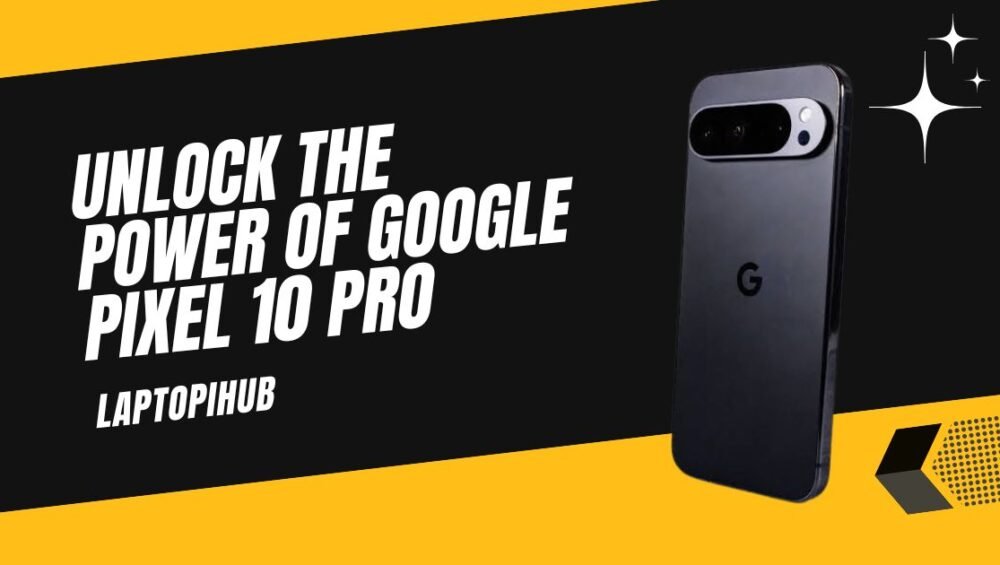
Unlock the Power of Google Pixel 10 Pro

Unlock the Power of Google Pixel 10 Pro

Discover the google Pixel 10 Pro’s stunning camera, AI features, and performance. Everything you need to know in one detailed, SEO-optimized article.

Introduction to the Pixel Legacy

A Brief Look Back at Pixel’s Evolution

Google’s Pixel line has always been the dark horse of the smartphone world—quietly innovative, consistently dependable, and unapologetically smart. From the Pixel 1 to the Pixel 9 Pro, each iteration brought something new to the table. Now, the Pixel 10 Pro isn’t just another upgrade—it’s a whole new league.

Why the Pixel 10 Pro Is a Big Deal

If you’re wondering what’s so special about this one, think of it as Google’s tech chef-d’œuvre—AI-enhanced, sleek, smart, and powerful enough to challenge any flagship.

Design and Display

Sleek Aesthetic and Premium Build

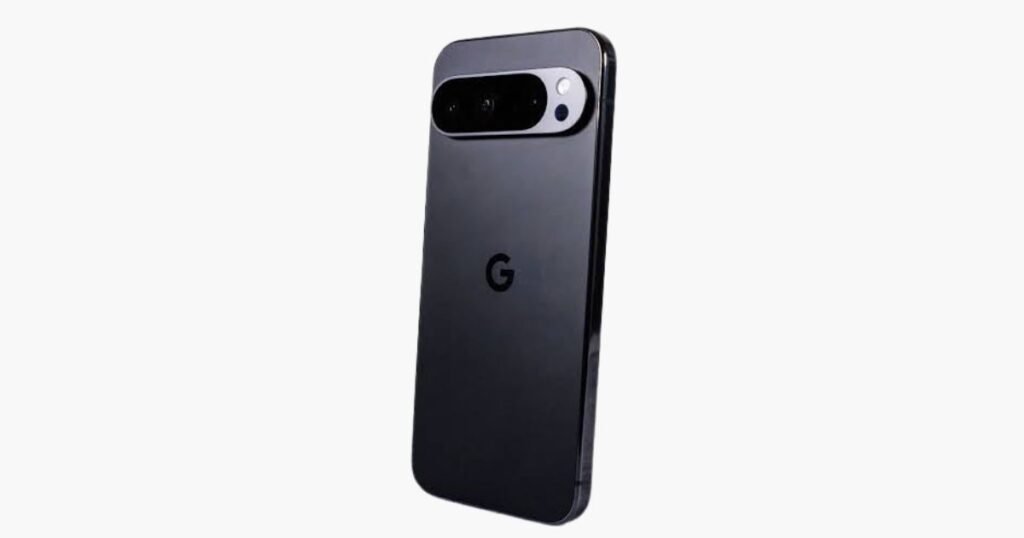
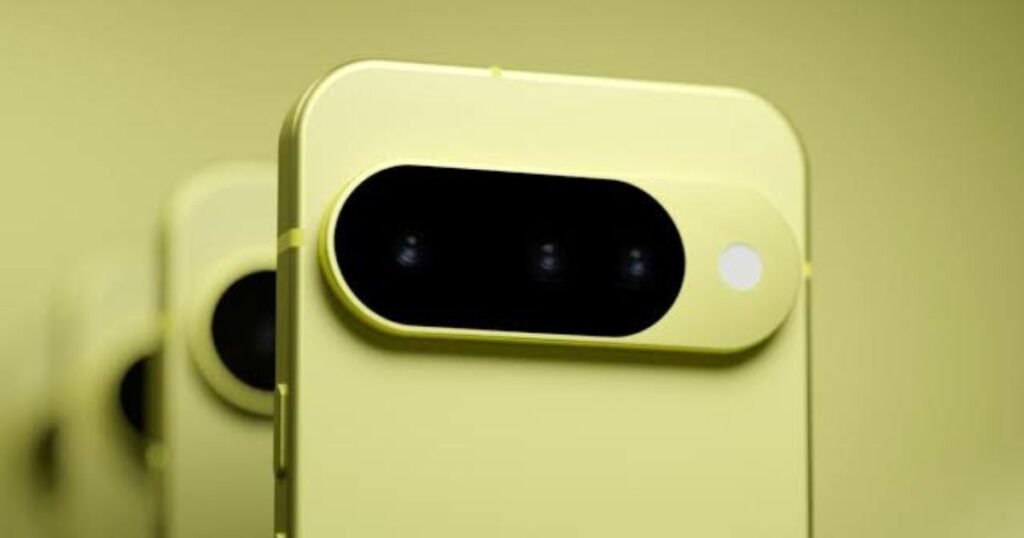
At first glance, the Pixel 10 Pro is a head-turner. Google refined the design with a more curved, ergonomic body and thinner bezels. The camera visor is now flush with the back, giving it a seamless finish that feels less bulky in your hand.

The Stunning LTPO OLED Display

The device sports a 6.7-inch LTPO OLED display that’s a treat for the eyes. Whether you’re streaming in HDR10+ or scrolling through social media, the visuals are buttery smooth.

Refresh Rate That Adapts to You

Thanks to adaptive refresh rates from 1Hz to 120Hz, the Pixel 10 Pro saves battery while still giving you that ultra-smooth experience when you need it.

Eye Comfort Features

With built-in eye strain reduction modes and advanced ambient sensors, it adjusts itself based on your environment—perfect for late-night scrolling or sunlit browsing.

Performance That Packs a Punch

Meet the Tensor G4 Chipset

Google’s custom Tensor G4 chip is a beast. Designed with AI-first architecture, it handles everything from real-time translation to camera magic without breaking a sweat.

RAM and Storage Options

With 12GB RAM and storage options ranging from 128GB to 1TB, you won’t be running out of space or speed any time soon.

Multitasking and Gaming Experience

Whether it’s heavy-duty gaming or juggling multiple apps, the Pixel 10 Pro handles it all with zero lag. It’s like giving your thumbs superpowers.

Camera Capabilities That Defy Limits

Triple Lens Setup with AI Magic

This phone is a shutterbug’s dream. You’ve got a 50MP main sensor, 48MP ultra-wide, and 48MP telephoto lens with 5x optical zoom.

Super Res Zoom and Night Sight

No more pixelated zoom-ins or grainy night shots. Google’s Super Res Zoom and Night Sight 2.0 give you clarity even in the shadows.

Real-Time HDR and Motion Mode

Capture action shots with stunning detail using Motion Mode, and enjoy real-time HDR for true-to-life lighting in every snap.

Front Camera for the Selfie Generation

The 12MP front cam is now smarter with auto-frame detection, real-time beautification, and better low-light selfies.

Battery Life and Charging

All-Day Power, No Compromises

The 5000mAh battery is optimized with AI to learn your habits and conserve juice for when you need it most.

Fast Charging and Wireless Support

Charge up to 50% in 25 minutes with the 30W USB-C charger and enjoy the new Qi2 magnetic wireless charging feature.

AI Features and Smart Software

Google Assistant Goes Pro

This isn’t your average assistant—it predicts what you need, when you need it. Ask it to read summaries, book reservations, or reply to texts—it’s like having a digital genie.

Smarter Calling, Messaging & Typing

Features like Magic Compose and Direct My Call are now enhanced, making interactions seamless and ultra-personalized.

Call Screening and Live Translation

Call screening is now real-time and smarter, while Live Translate supports over 40 languages instantly—even offline!

Android 15 Experience

Exclusive Features on Pixel Devices

From AI wallpapers to adaptive themes, Android 15 feels tailor-made for the Pixel 10 Pro. You’ll also get 7 years of OS and security updates.

Clean UI and Smooth Animations

No bloatware. Just a clean, fluid interface with silky transitions and smart customization options.

Security and Privacy

Titan M3 Security Chip

Bank-level encryption? Check. Biometric security? Check. Peace of mind? Double-check.

Face Unlock + In-Display Fingerprint

The Pixel 10 Pro comes with dual biometric authentication, combining lightning-fast face unlock and ultrasonic fingerprint sensors.

Connectivity and Sensors

5G, Wi-Fi 7, and Bluetooth 5.4

Stay blazing fast with next-gen Wi-Fi 7, stable Bluetooth 5.4, and widespread 5G support.

Ultra Wideband (UWB) and More

Need precision for spatial tracking or file sharing? UWB makes Nearby Share and Digital Car Key more accurate than ever.

Accessories and Ecosystem

Pixel Buds, Watch, and Tablet Sync

Everything works in perfect harmony. Pixel Watch 2, Buds Pro, and even your Pixel Tablet can sync like magic across tasks.

Qi2 Wireless Charging Support

The new Qi2 standard brings magnetic alignment for more efficient charging and safer heat control.

Price and Availability

Global Release Timeline

The Pixel 10 Pro is expected to drop in October, with pre-orders opening globally within the same month.

Expected Pricing and Variants

Starting at $999, it’s a flagship with features that justify every cent. Colors? Obsidian Black, Porcelain, and Sky Blue.

Who Should Buy the Pixel 10 Pro?

For Photographers, Techies, and Creators

If you live behind a lens or push your phone to the edge—this is made for you.

Daily Users Looking for Simplicity

Even if you’re not a tech wizard, the Pixel 10 Pro makes daily life smarter, smoother, and just more fun.

Pros and Cons

What We Love

  • Brilliant AI camera features
  • Powerful custom Tensor G4 chip
  • 7 years of OS updates
  • Clean Android experience

What Could Be Better

  • No microSD card slot
  • Charging brick sold separately
  • High price point for casual users

Final Verdict

The Google Pixel 10 Pro isn’t trying to copy anyone. It’s carving its own intelligent path in the smartphone world. With next-level AI, photography, and Google’s clean design, it’s the kind of phone that doesn’t just follow trends—it sets them. Whether you’re upgrading or switching camps, this one deserves your attention.

FAQs

1. What’s new in the Pixel 10 Pro compared to Pixel 9 Pro?

The Pixel 10 Pro features the new Tensor G4 chip, better camera sensors, faster charging, and enhanced AI integration.

2. Does the Pixel 10 Pro support Qi2 wireless charging?

Yes, it supports the new Qi2 magnetic wireless charging standard for better alignment and efficiency.

3. How long will the Pixel 10 Pro receive updates?

It will receive 7 years of Android OS and security updates.

4. Is there a headphone jack in the Pixel 10 Pro?

No, like its predecessors, it lacks a headphone jack—but supports high-quality wireless audio via Bluetooth 5.4.

5. What colors are available for the Pixel 10 Pro?

At launch, it comes in Obsidian Black, Porcelain White, and a new Sky Blue shade.

Read More: iPhone 17 Release Date and Expected Features